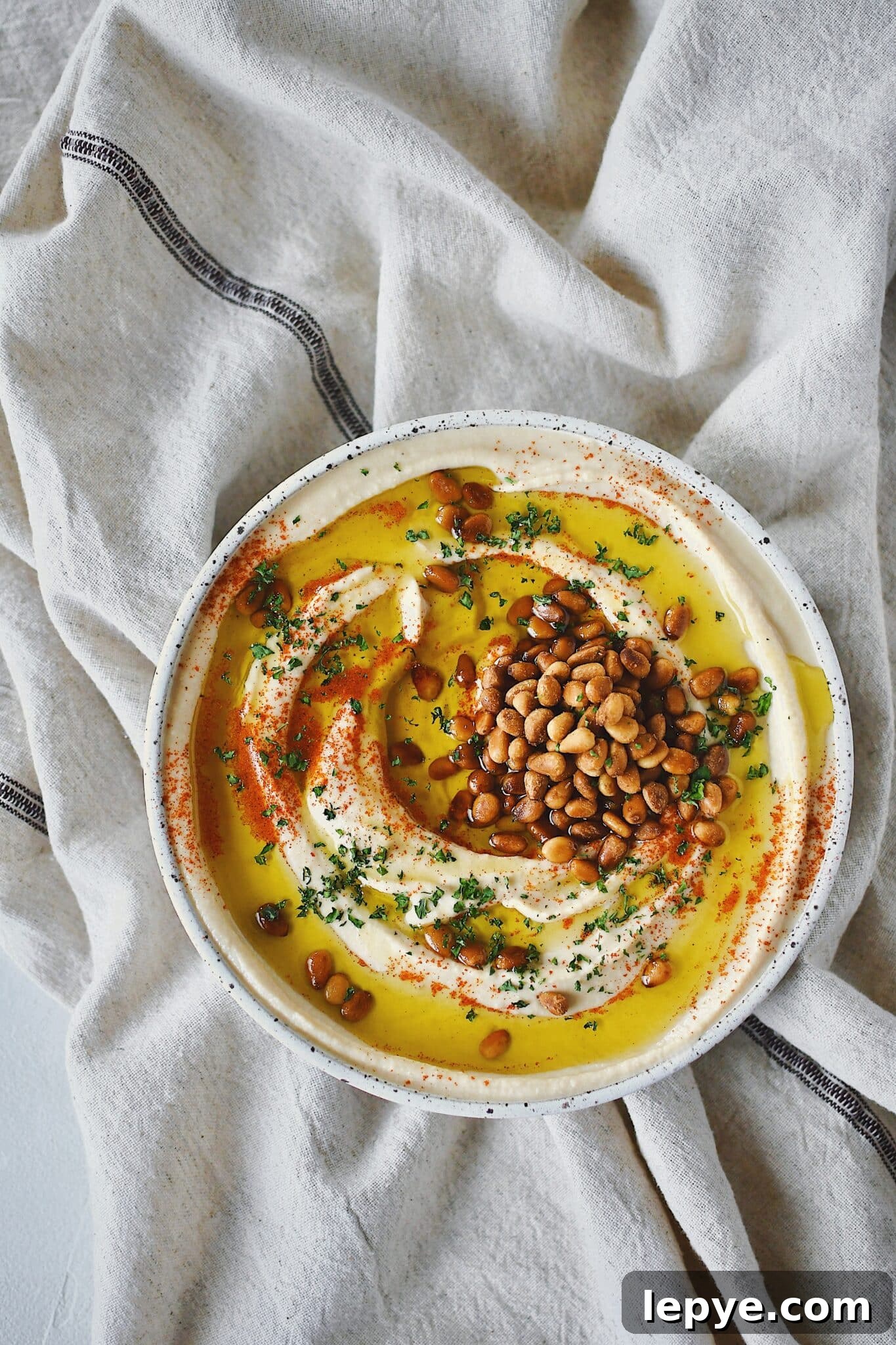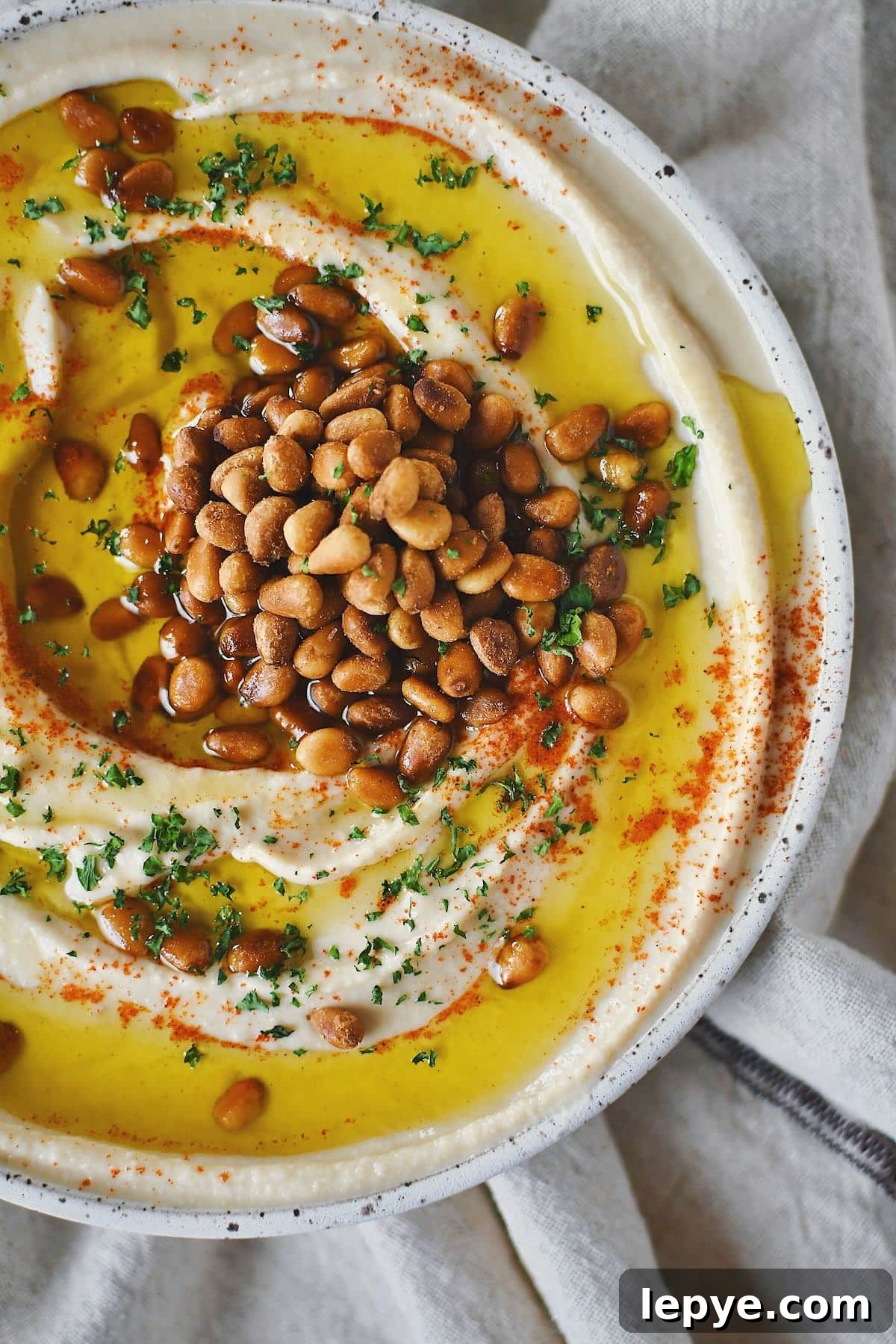
I have spent years trying to recreate the ultra-smooth homemade hummus I enjoy at my favorite Mediterranean restaurant, and I finally figured it out.
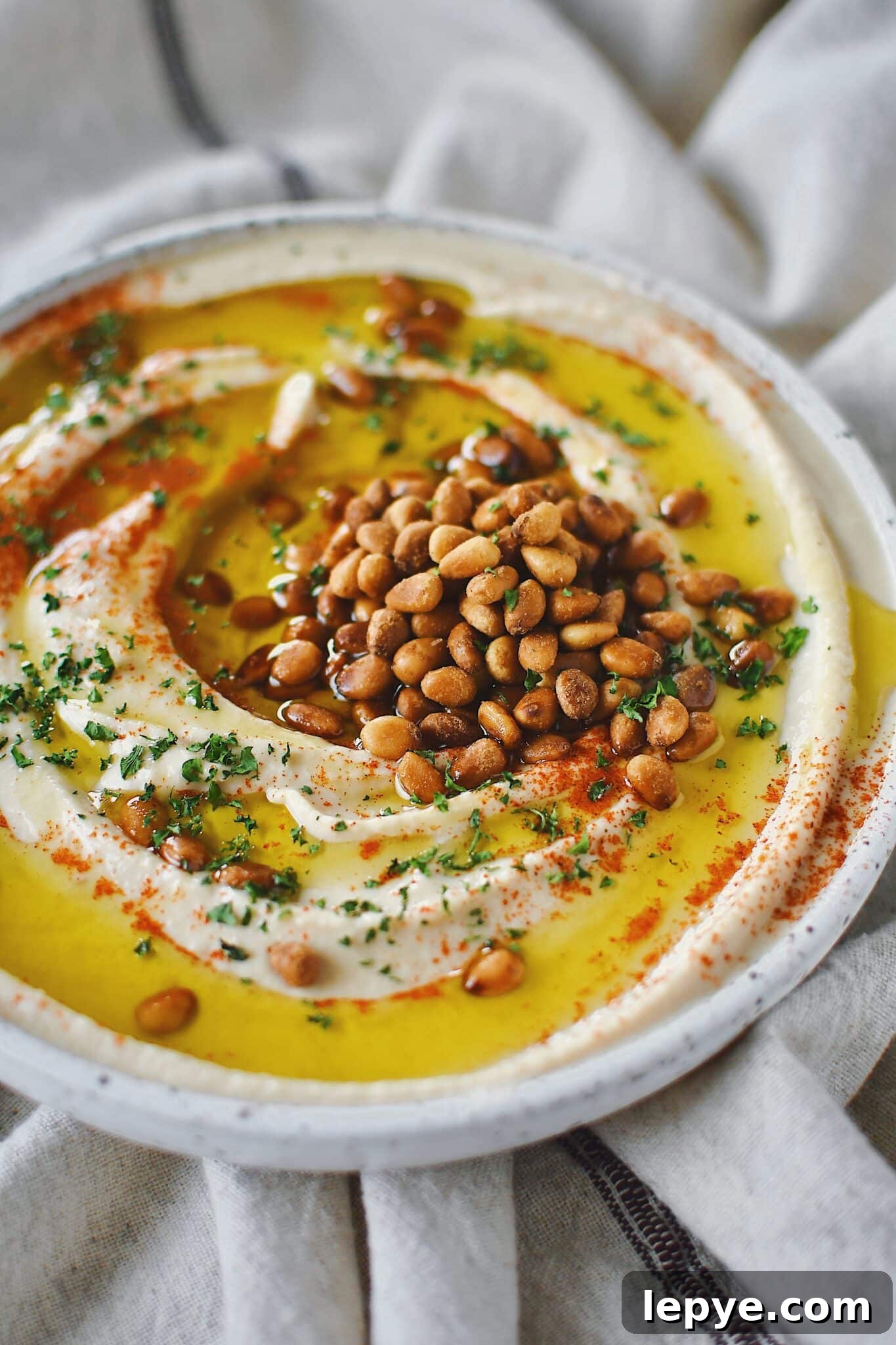
There are two keys: a powerful blender and chickpeas cooked until they are essentially falling apart. Below I explain why those two steps matter and how to get reliably creamy, restaurant-quality hummus at home.
Ingredients
I prefer to start with dried chickpeas and cook them until they’re very soft because that texture is the foundation of a super-smooth hummus. If you have a pressure cooker, it speeds this up, but you can also soak overnight and simmer on the stove until the beans are nearly disintegrating.
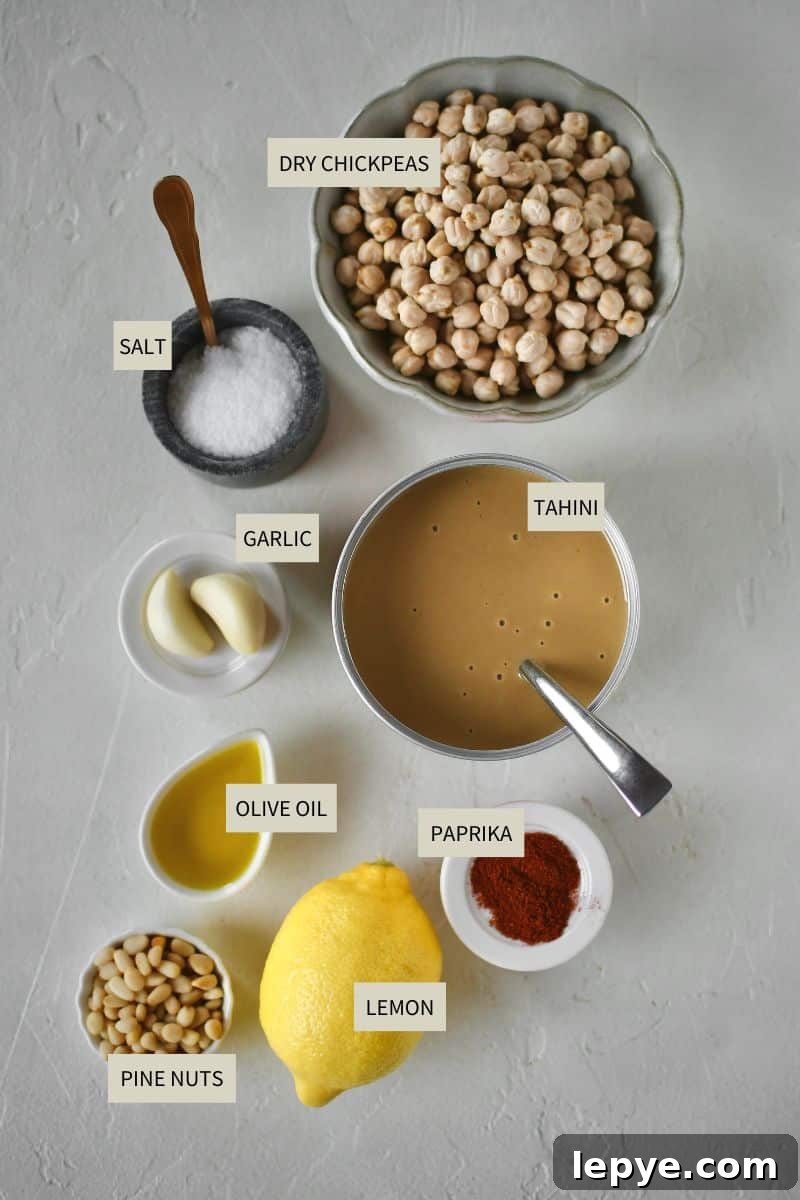
The rest is simple: tahini, salt, fresh lemon juice, and garlic. For serving, drizzle with extra-virgin olive oil and sprinkle paprika and toasted pine nuts. Fresh parsley is optional for color. Using the reserved cooking liquid from the chickpeas instead of plain water makes a big difference in flavor and texture.
Use the recipe card below for exact measurements and step-by-step instructions.
Method
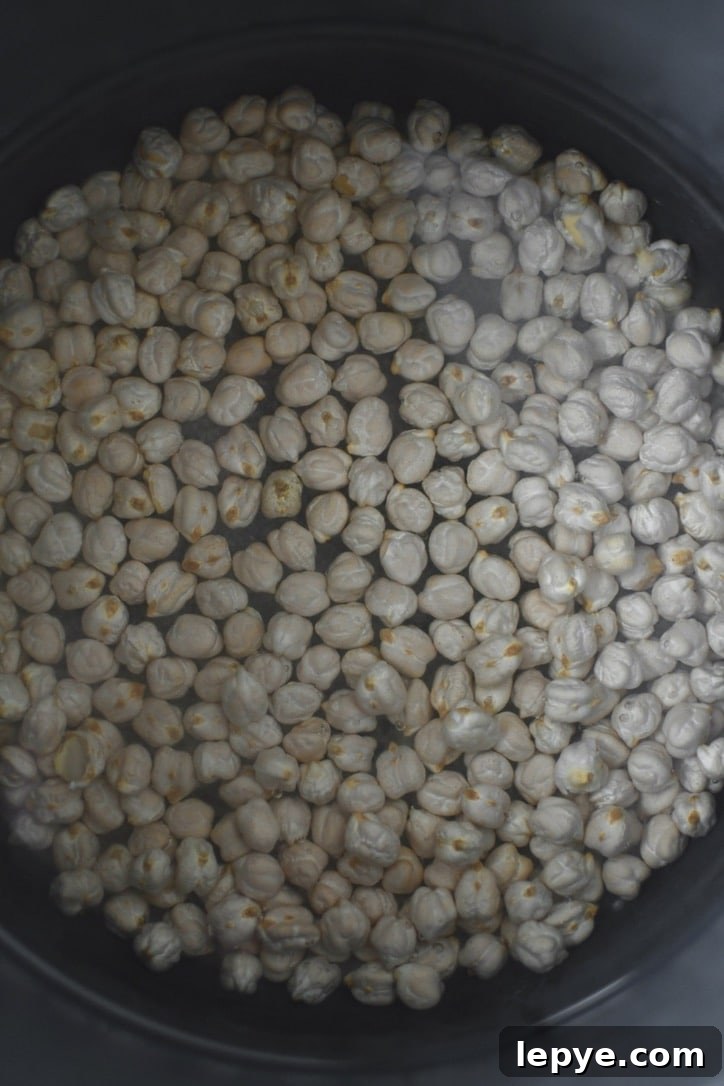
Start by placing the dried chickpeas and salt in the pressure cooker, cover with about 2 inches of water, and cook on high pressure for about 30–40 minutes. The goal is for the chickpeas to become extremely soft — so tender that they almost fall apart when pressed. If you aren’t using a pressure cooker, soak the chickpeas overnight and simmer them on the stovetop until similarly soft.
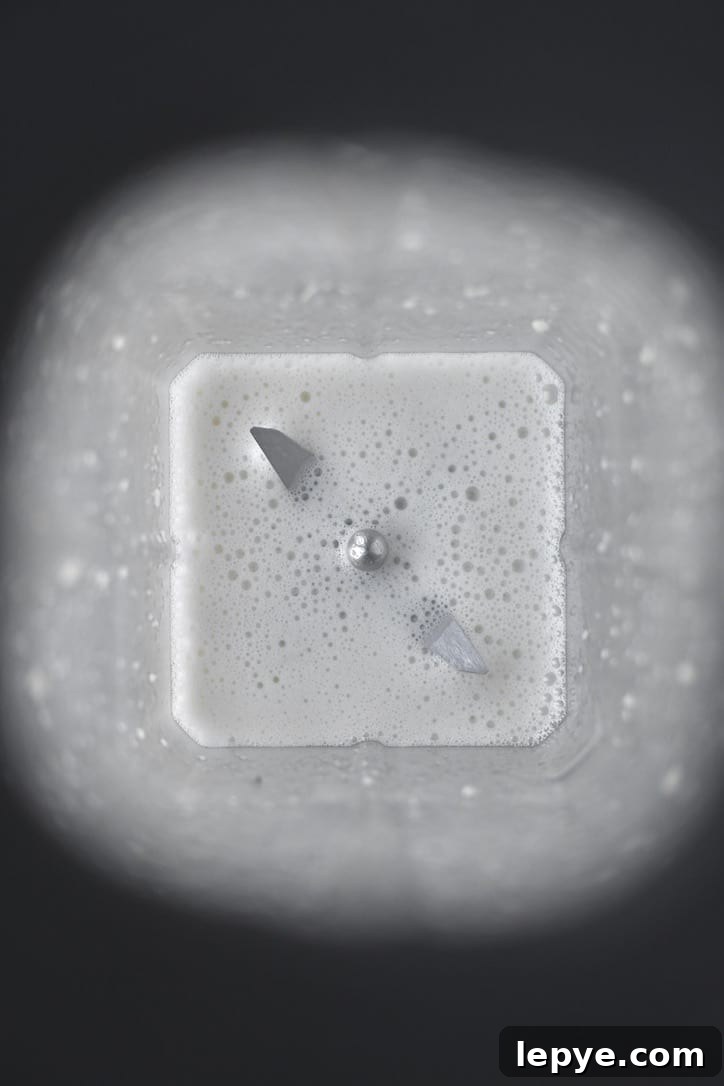
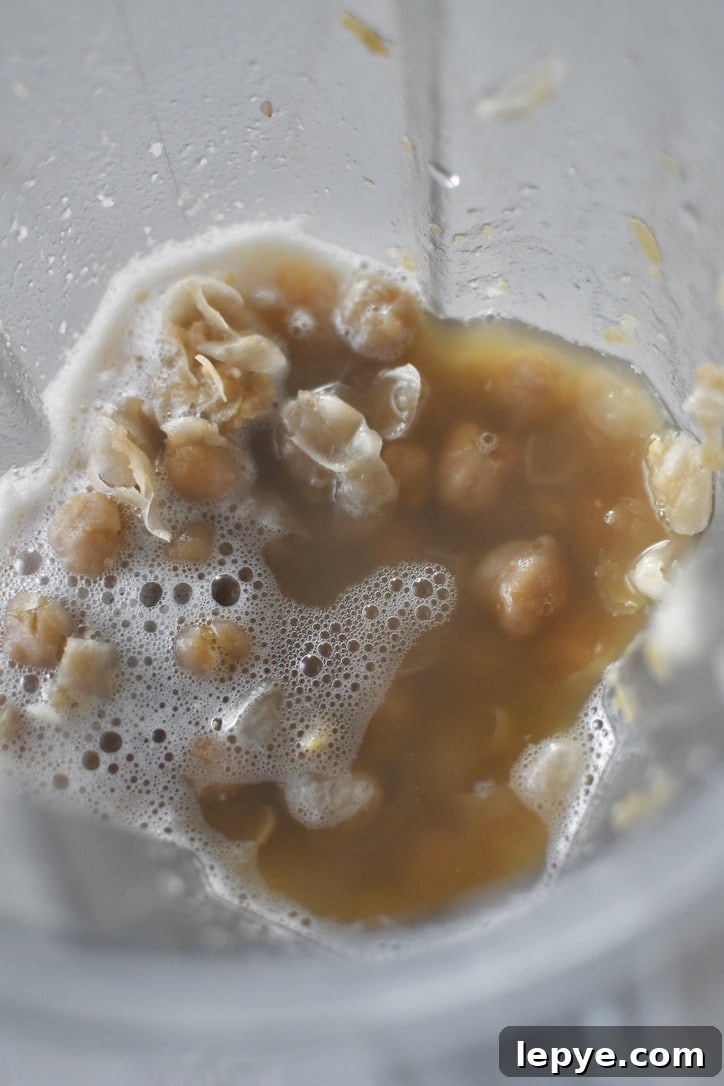
To build the hummus, blend the lemon juice and garlic first in a high-speed blender to fully break down the garlic and distribute the acid. Next add the hot, very soft chickpeas and start pureeing, adding reserved cooking liquid a little at a time until the mixture flows freely. I typically use all the cooking liquid; it helps create that silky initial texture you need.
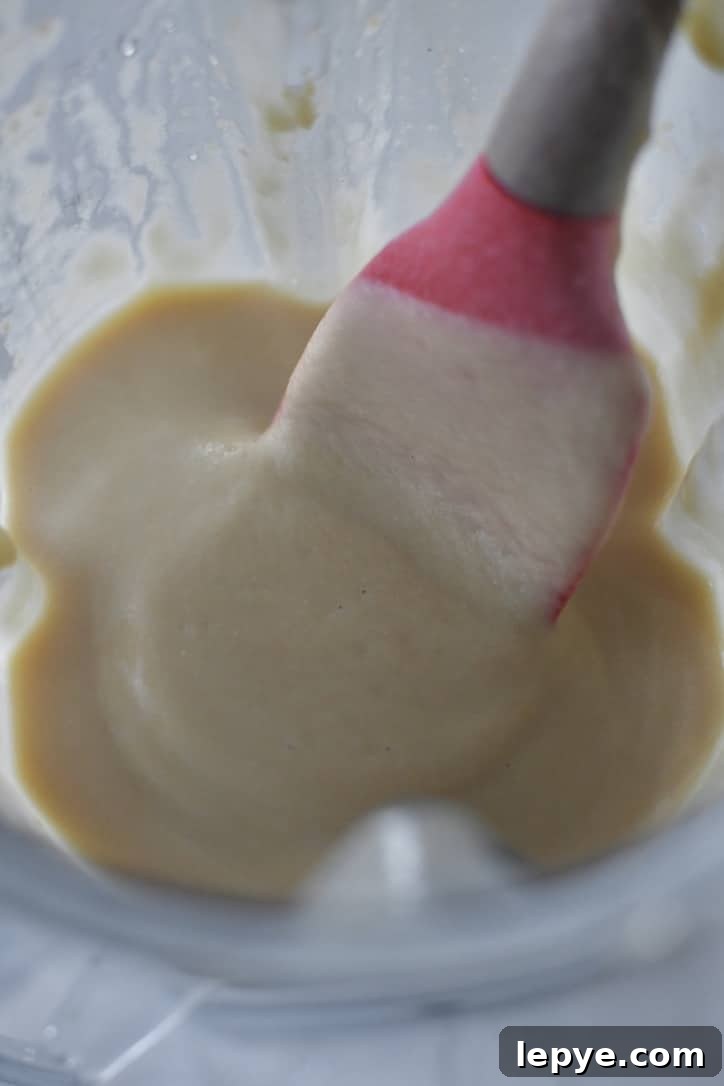
After the chickpeas are completely smooth, transfer the puree to a stand mixer fitted with the whisk or whip attachment. Add the tahini and whip on medium speed until the mixture becomes silky and cohesive. The tahini reacts with the lemon juice and lightens the texture; whipping aerates the hummus and gives it that pillowy creaminess. If the hummus thickens too much, add a tablespoon of cold water at a time until it loosens; remember it will firm up again as it cools.
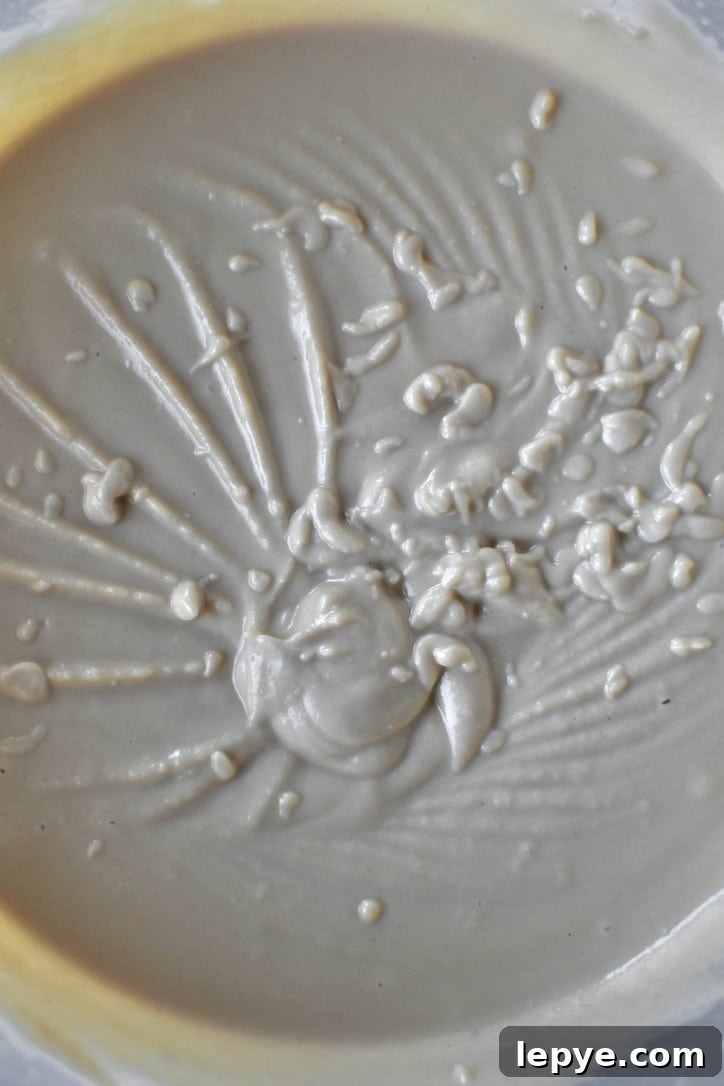
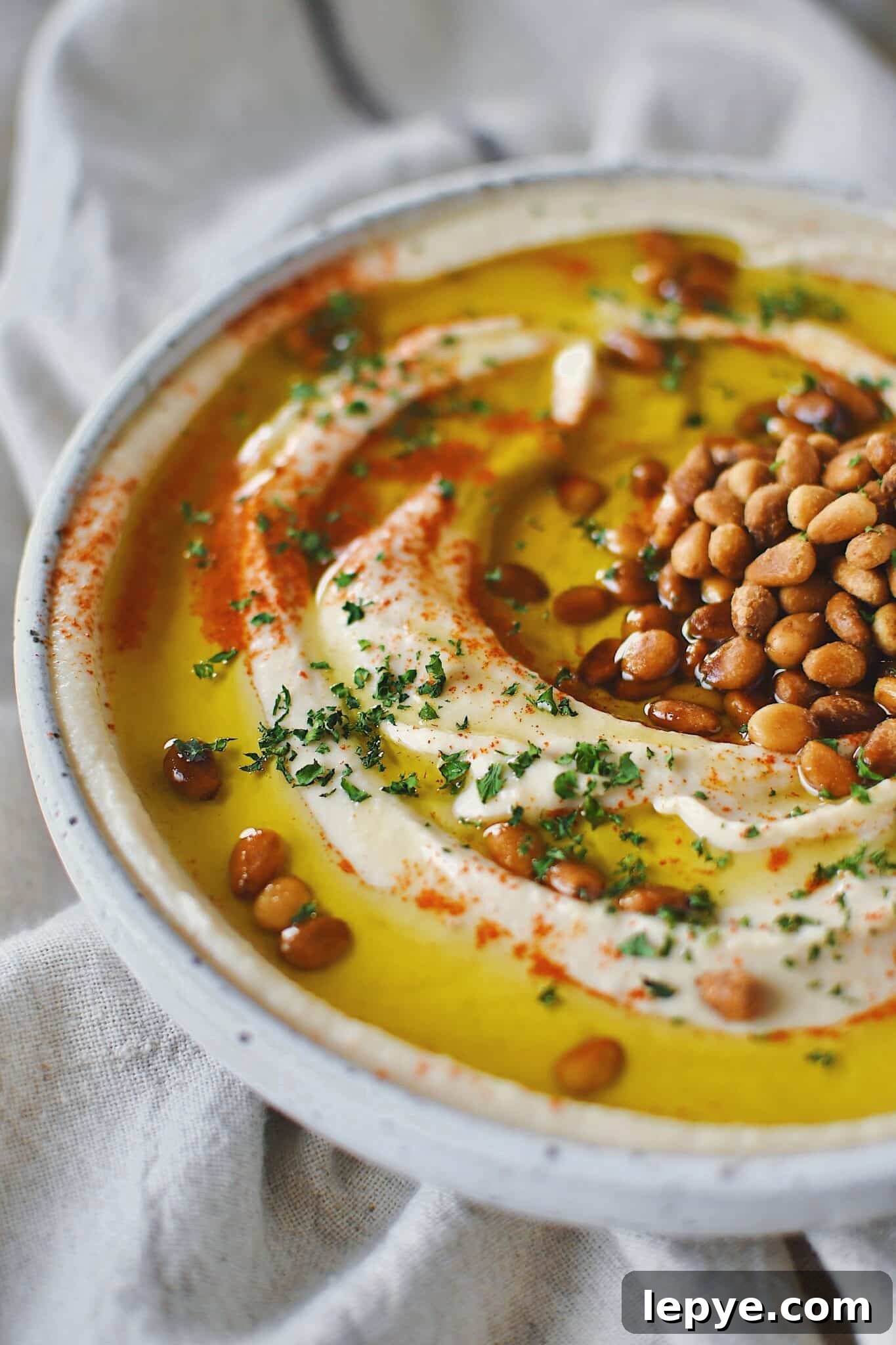
Chill the hummus for a few hours to let it set and deepen in flavor. Serve with a drizzle of olive oil, a sprinkle of paprika, toasted pine nuts, and optional parsley for freshness and presentation.
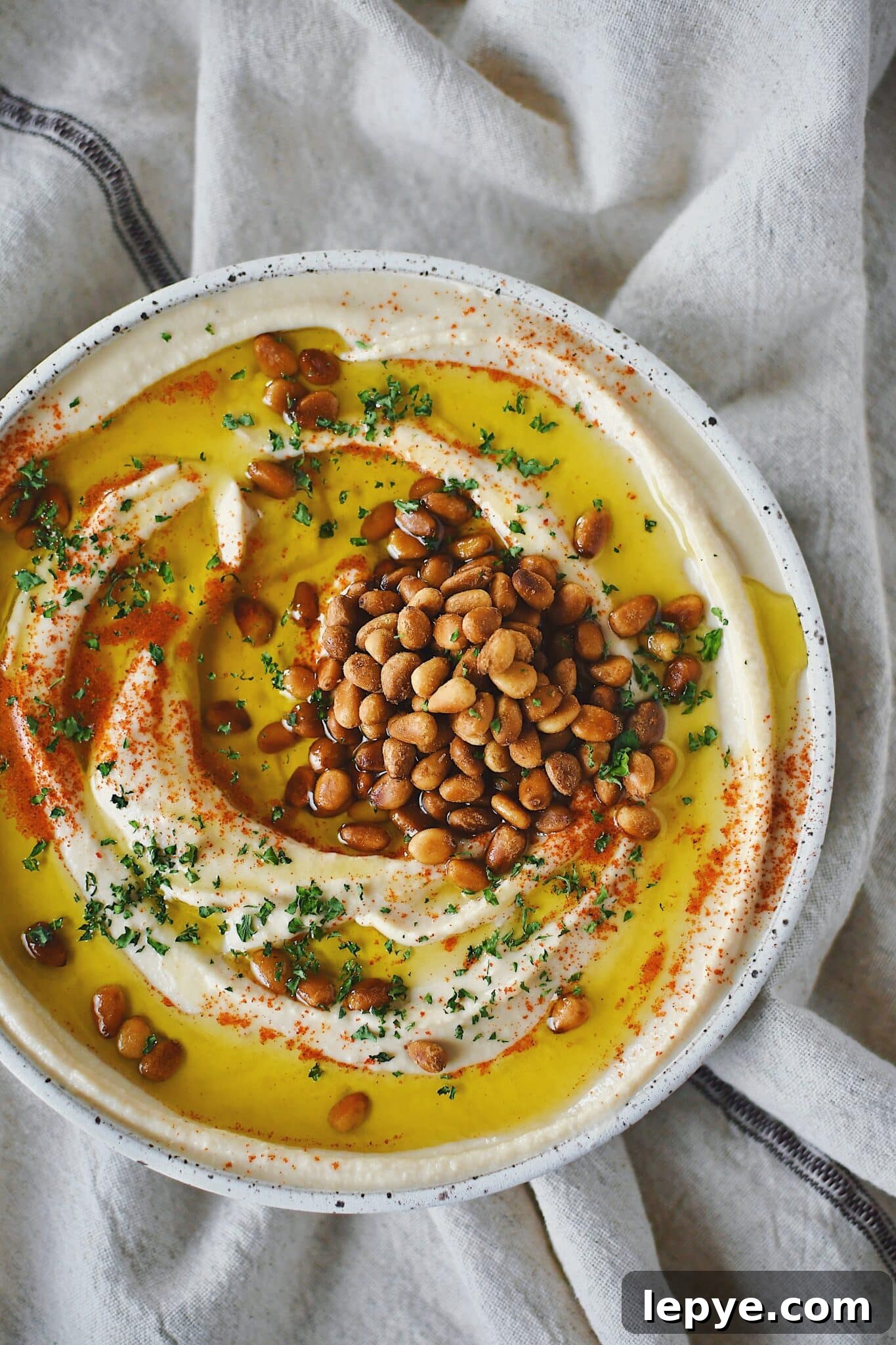
Notes & Tips
The most important tip is to cook the chickpeas until they are as soft as possible. When beans are cooked to the point of near-disintegration, the blender can turn them into a truly silky paste without having to peel skins.
Blending the chickpeas while they are still warm and using the reserved cooking liquid improves both texture and flavor. Add enough of that liquid so the mixture moves freely in the blender; this makes pureeing easier and prevents graininess.
Don’t worry if the blended mixture seems too loose initially. Once the tahini is whipped in and the hummus chills, it will thicken and develop the classic hummus body that holds a well when you spoon into it.
If you don’t have an electric pressure cooker, soak the chickpeas for at least 8 hours and then simmer them on the stove, covered with 2 inches of water, until super soft.
Substitutions
While chickpeas are traditional, other beans like white beans can be used with the same method to create a similar creamy spread. For acid, fresh lemon juice is classic, but a mild vinegar such as apple cider or white balsamic will also work and offer a different flavor profile.
To intensify the garlic flavor without raw bite, try using confit garlic in place of fresh cloves; the mellowed, sweet garlic will add depth. You can also spoon some of the confit oil over the finished hummus instead of plain olive oil.
More Mediterranean-Inspired Recipes
Greek Fries with Chicken
Chicken Shawarma
Traditional Greek Salad
Avgolemono – Chicken and Rice Soup
Baba Ghanoush with Toasted Garlic
Greek Meatballs
Whipped Feta
Greek Pasta Salad
Tahini Banana Bread
Did you make this hummus? Leave a comment or share a photo on social media. Subscribe to the newsletter to receive updates and recipes.
📖 Recipe
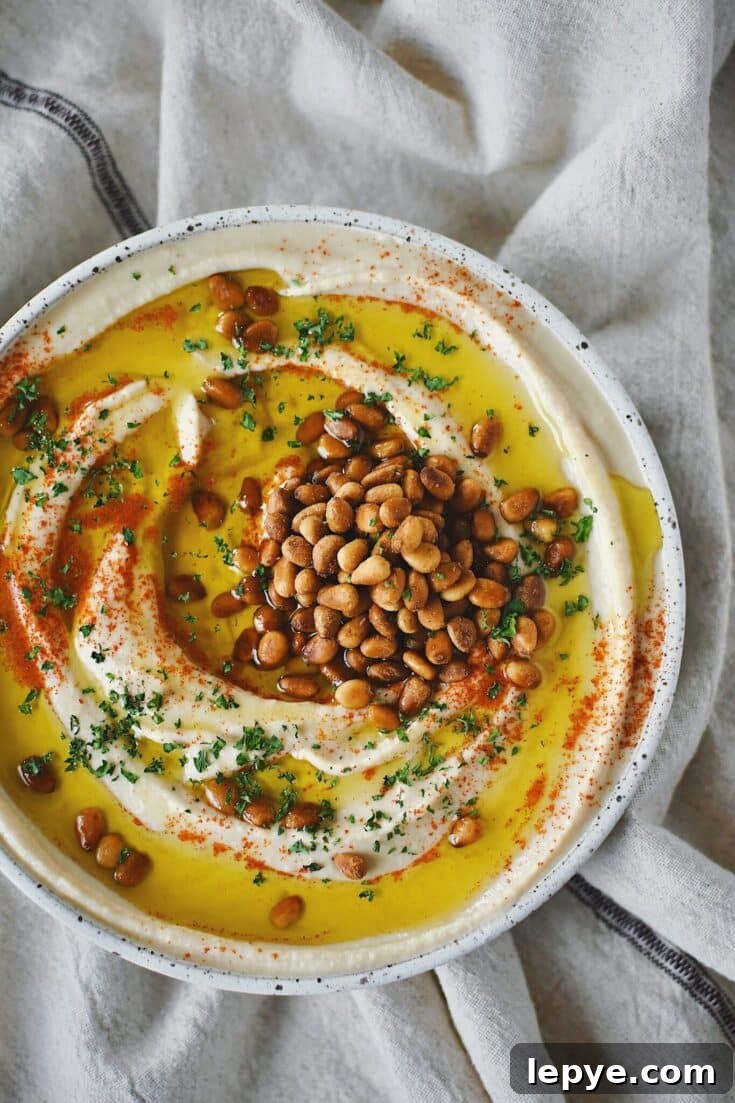
Homemade Hummus Recipe
15 minutes
40 minutes
55 minutes
I worked to perfect this recipe to match the silky hummus I love at restaurants. The secret is very soft chickpeas and a high-speed blender, followed by whipping with tahini to achieve a light, luxurious texture.
Ingredients
- 1 ¼ cup dried chickpeas
- Water, to cover chickpeas by 2 inches
- 1 teaspoon kosher salt
- ¼ cup fresh lemon juice
- 2 cloves garlic
- 1 cup reserved cooking liquid from chickpeas, or more as needed
- 1 cup tahini paste
- Extra-virgin olive oil, for serving
- Paprika, for serving
- Toasted pine nuts, for serving
- Parsley, finely chopped – optional
Instructions
- Place chickpeas, water, and salt in the bowl of an electric pressure cooker. Cover by about 2 inches of water.
- Cook on high pressure for 35 minutes. The chickpeas should be very soft; if not, cook longer until they’re nearly falling apart.
- Drain off the liquid into a bowl or measuring cup and reserve it.
- In a blender, combine lemon juice and garlic and blend until smooth.
- Add the hot chickpeas and about 1 cup of the reserved cooking liquid. Puree until completely smooth, adding more cooking liquid as needed to achieve a loose, silky consistency.
- Transfer the puree to a stand mixer fitted with the whisk attachment. Add tahini and whip on medium speed until smooth and airy. If the mixture becomes too thick, add cold water, 1 tablespoon at a time, until creamy. The hummus will thicken as it cools.
- Chill for a few hours, then serve drizzled with olive oil and topped with paprika, toasted pine nuts, and parsley if desired.
Notes
Cooking the chickpeas until they’re extremely soft and blending while warm with the cooking liquid are the two best ways to achieve a restaurant-style hummus without spending time peeling skins. Whipping in tahini at the end gives the hummus body and a light, airy texture.
Nutrition Information (estimated)
Yield:
about 4 cups
Serving Size:
1
Amount Per Serving:
Calories: 110
Total Fat: 7g
Cholesterol: 0mg
Sodium: 59mg
Carbohydrates: 9g
Fiber: 2g
Protein: 4g
These values are estimates and will vary depending on ingredients and serving sizes.