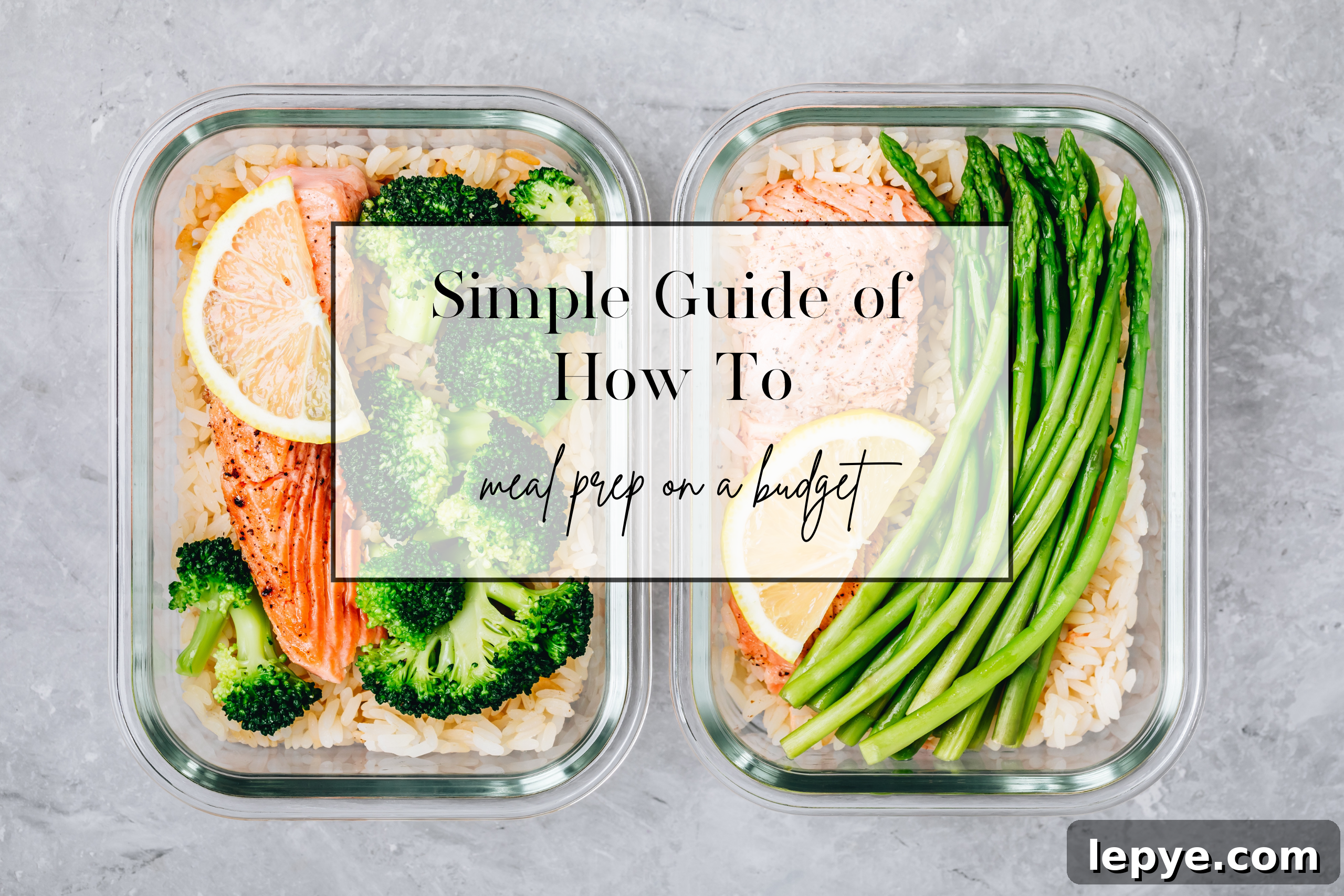
Meal prepping is one of the smartest ways to cut grocery costs while ensuring you always have healthy meals ready. Many assume meal prep requires an expensive initial outlay or specialty ingredients, but with simple planning and a few practical habits, you can prep nutritious, varied meals on a tight budget.
This guide explains practical strategies to keep meal prep affordable: how to choose low-cost staples, buy wisely in bulk, reduce waste, and save time without sacrificing flavor or nutrition.
Plan Your Meals Around Affordable Staples
Why it saves money: Planning meals in advance prevents impulse purchases and helps you buy only what you need.
How to do it:
- Center your weekly plan on affordable, nutrient-dense staples like whole grains, beans, lentils, eggs, frozen vegetables, and seasonal produce.
- Choose ingredients that work across multiple dishes. For example, a bag of brown rice can serve as the base for stir-fries, grain bowls, and soups.
- Opt for store-brand pantry items; they usually match name-brand quality and cost less.
Example budget-friendly meals:
Oatmeal with peanut butter and banana — an inexpensive, filling breakfast option.
Black bean and rice burrito bowls — filling, versatile, and inexpensive.
Lentil soup with whole grain bread — hearty, warming, and made mostly from pantry staples.
Buy in Bulk (But Smartly!)
Why it saves money: Larger quantities typically lower the cost per unit, so buying staples in bulk reduces long-term spending.
How to do it:
- Purchase dry goods such as rice, oats, quinoa, pasta, and dried beans in larger bags.
- When proteins are on sale, buy frozen portions and divide them into meal-sized freezer bags for later use.
- Explore warehouse stores for bulk savings, but only buy amounts you’ll actually use to avoid waste.
Pro tip: Consider splitting bulk purchases with a friend or family member to lower upfront cost without excess waste.
Shop Seasonally and Use Frozen Produce
Why it saves money: In-season produce is cheaper and more flavorful, while frozen produce is convenient, nutritious, and longer-lasting.
How to do it:
- Buy local, in-season fruits and vegetables when possible to get the best price and flavor.
- Use frozen vegetables like spinach, mixed vegetables, or edamame; they are often prepped and won’t spoil quickly.
- If fresh produce is discounted, freeze extras for soups, smoothies, or future meals.
Example budget-friendly produce:
- Fresh: Bananas, carrots, sweet potatoes, apples, cabbage
- Frozen: Spinach, berries, mixed vegetables, edamame
Choose Budget-Friendly Proteins
Why it saves money: Protein often drives grocery costs, but many affordable, healthy protein options exist.
How to do it:
- Buy lean proteins such as eggs, canned tuna, tofu, chicken thighs, and ground turkey.
- Rely more on plant-based proteins like beans, lentils, and chickpeas, which stretch farther for less cost.
- Extend pricier proteins by combining them with legumes or whole grains to make them go further in recipes.
Example budget-friendly proteins:
- Canned tuna — inexpensive and shelf-stable
- Lentils — affordable and versatile
- Eggs — a cost-effective source of protein for any meal
Reduce Food Waste (Use Everything!)
Why it saves money: Tossing unused food adds up quickly. Thoughtful storage and planning reduce waste and save money.
How to do it:
- Design meals that reuse ingredients across several dishes, such as using leafy greens in salads and omelets.
- Store leftovers properly and freeze portions you won’t eat within a few days.
- Use vegetable scraps to make homemade broth instead of discarding them.
Pro tip: Schedule a regular “leftovers night” to clear the fridge before you cook new meals.
Use Time-Saving Meal Prep Hacks
Why it saves money: Spending less time cooking reduces the temptation to order takeout or buy convenience foods.
How to do it:
- Cook large batches of staples—rice, beans, roasted vegetables or grilled chicken—at the start of the week.
- Use a slow cooker or pressure cooker to make hearty, inexpensive meals with minimal active time.
- Designate one or two prep days each week so meals are ready when you need them.
Example quick and cheap meal prep:
- Sheet pan chicken with roasted vegetables
- Overnight oats prepared in minutes for grab-and-go breakfasts
- Slow cooker chili made with beans and canned tomatoes
Make Your Own Snacks Instead of Buying Packaged Ones
Why it saves money: Packaged snacks often cost more per serving and contain added ingredients. Homemade snacks are typically healthier and cheaper.
How to do it:
- Mix oats, peanut butter, and honey into simple protein balls for quick snacks.
- Prep snack packs with nuts, fruit, or homemade granola for portion-controlled options.
- Bake muffins or energy bars in batches to have inexpensive snacks on hand.
Example budget-friendly snacks:
- Hard-boiled eggs for a protein-packed snack
- Peanut butter on whole-grain toast
- Yogurt with frozen berries for an affordable, nutritious option
Stick to a Weekly Grocery Budget
Why it saves money: A set grocery budget encourages intentional purchases and prevents overspending.
How to do it:
- Set a realistic weekly limit and track what you spend.
- Create a grocery list based on your meal plan and stick to it while shopping.
- Avoid shopping while hungry to reduce impulse purchases.
Pro tip: Try a low-spend week where you only cook meals from items already in your pantry to sharpen planning skills and save money.
Have a Go-To List of Cheap, Healthy Recipes
Why it saves money: Relying on a small rotation of budget-friendly recipes makes shopping simpler, reduces waste, and speeds up meal prep.
Example budget-friendly meal prep ideas:
- Snacks: Homemade trail mix with nuts and dried fruit
- Breakfast: Simple egg scrambles with vegetables
- Lunch: Grain bowls with beans, roasted vegetables, and a simple dressing
- Dinner: Slow-cooked shredded chicken with rice and beans
Meal prepping on a budget does not require sacrificing nutrition, variety, or enjoyment. With a plan focused on versatile staples, smart bulk purchases, seasonal produce, and strategies to reduce waste, you can create satisfying meals that keep costs down and convenience high. Use these tips to build a weekly routine that saves time, reduces food waste, and stretches your grocery dollars further.