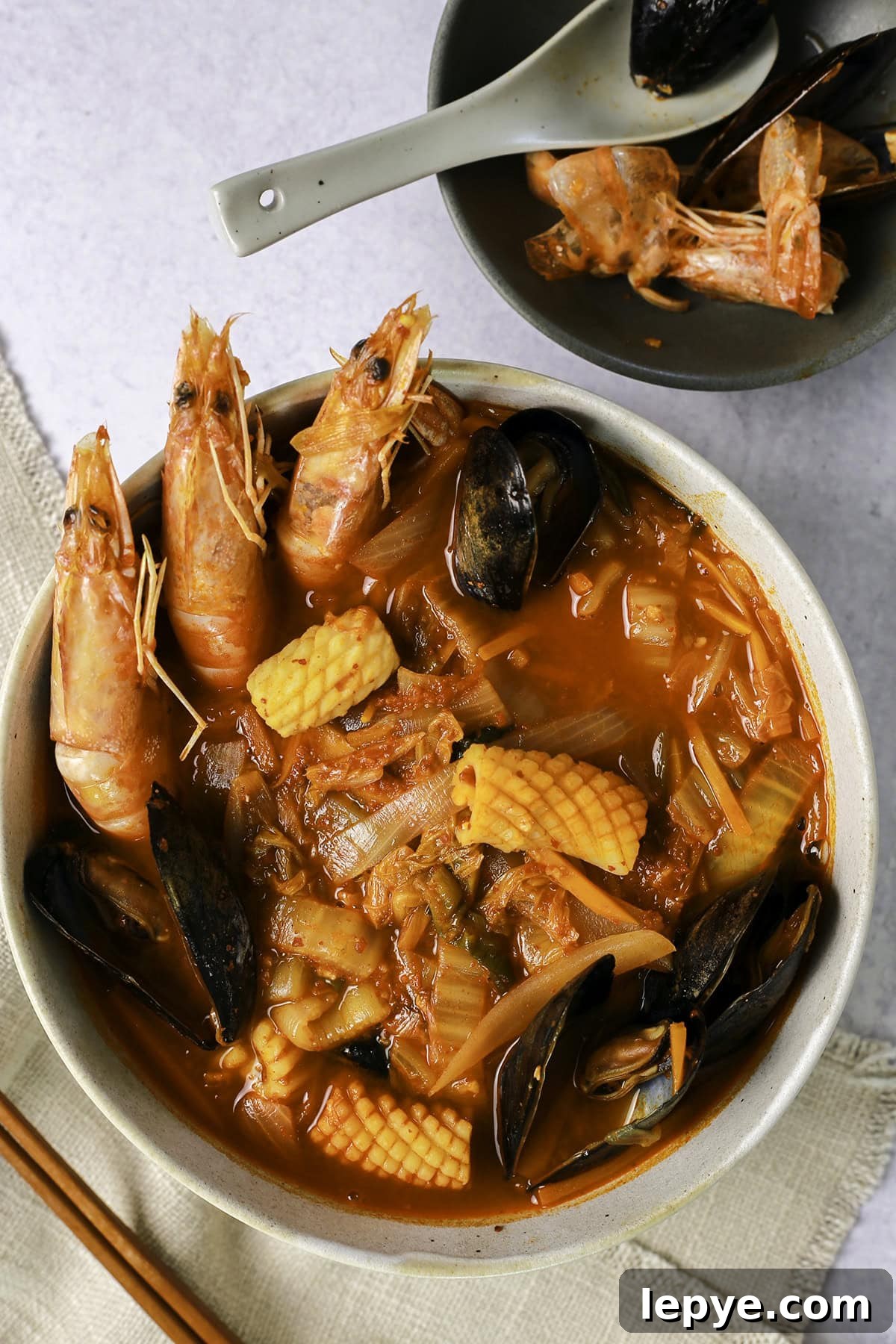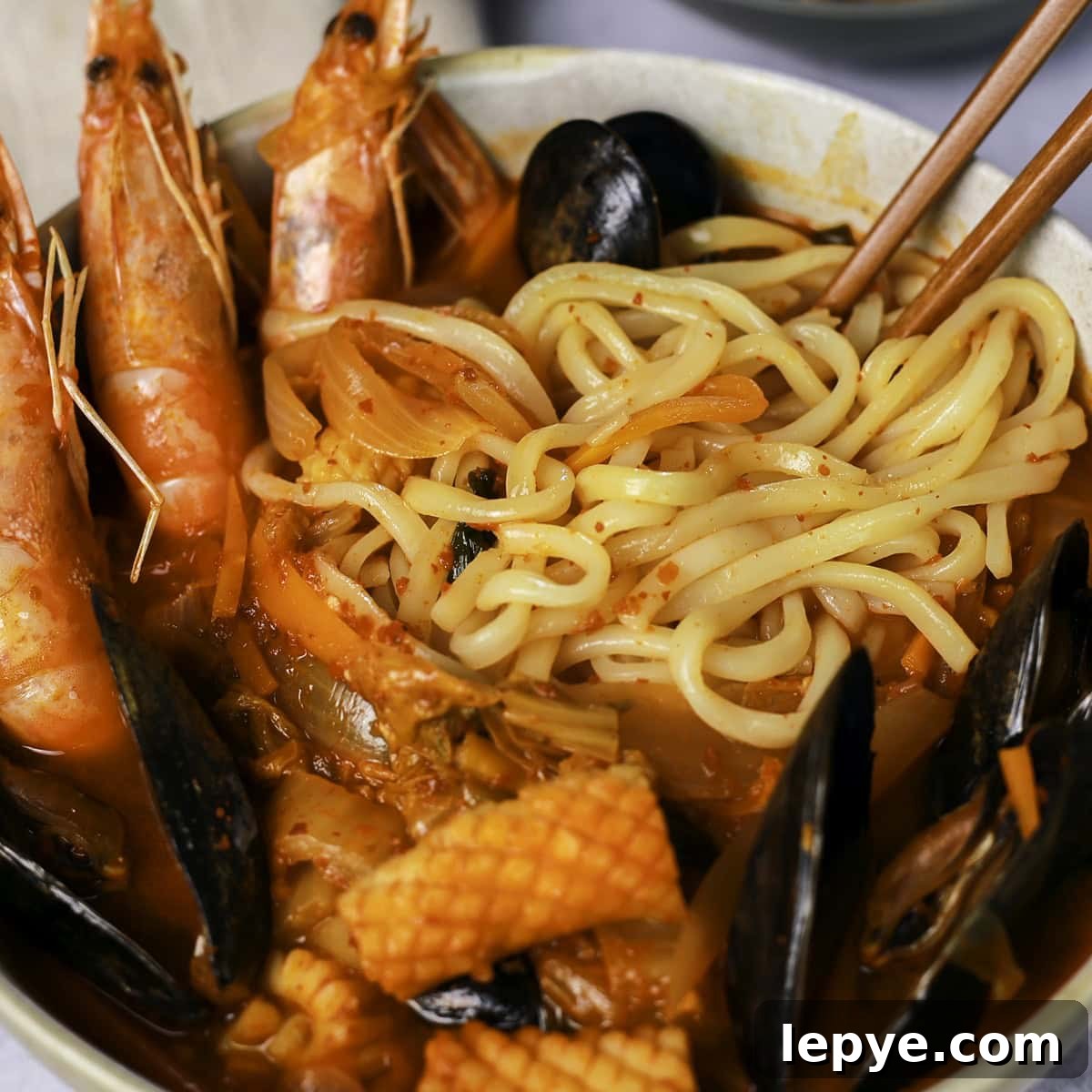
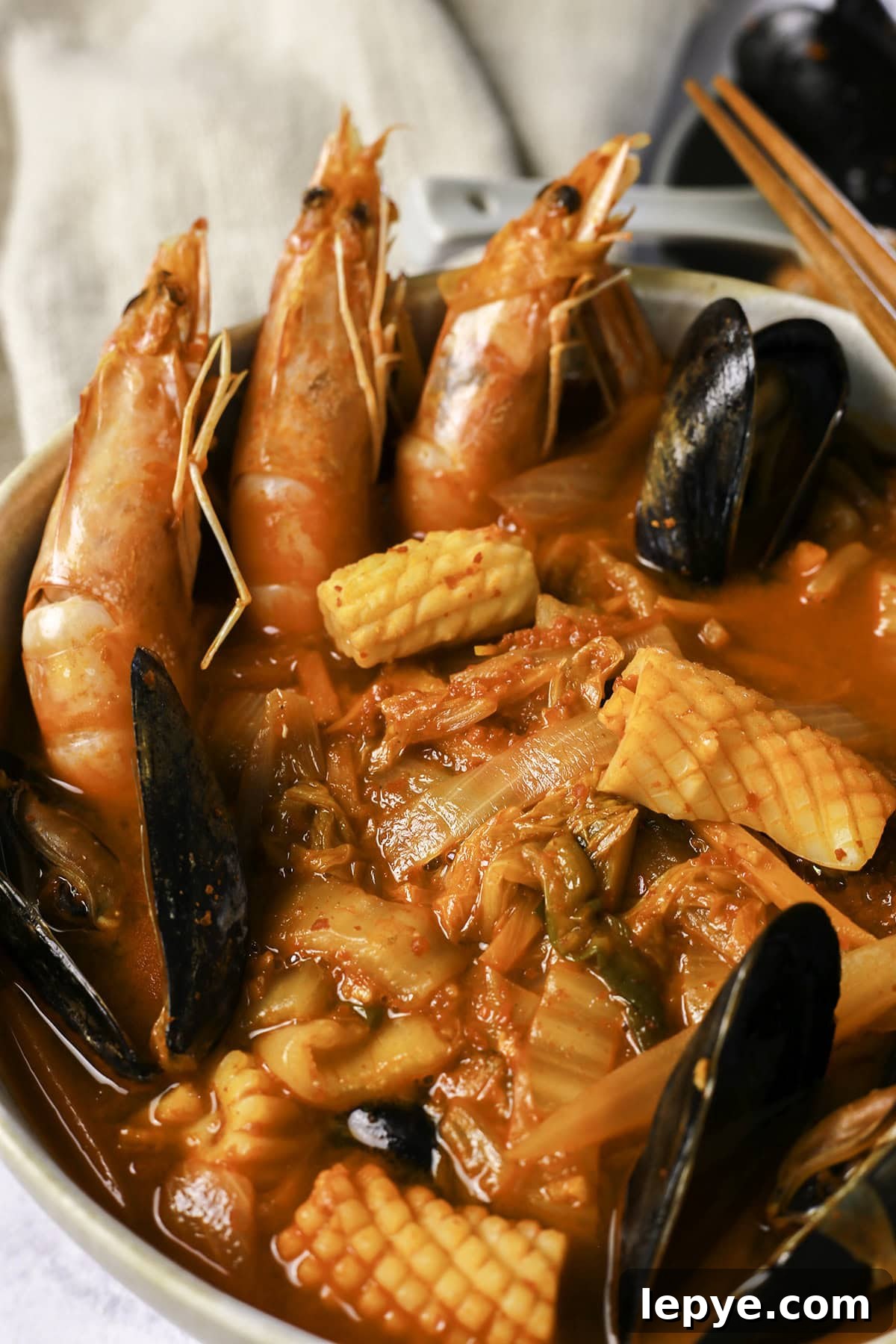
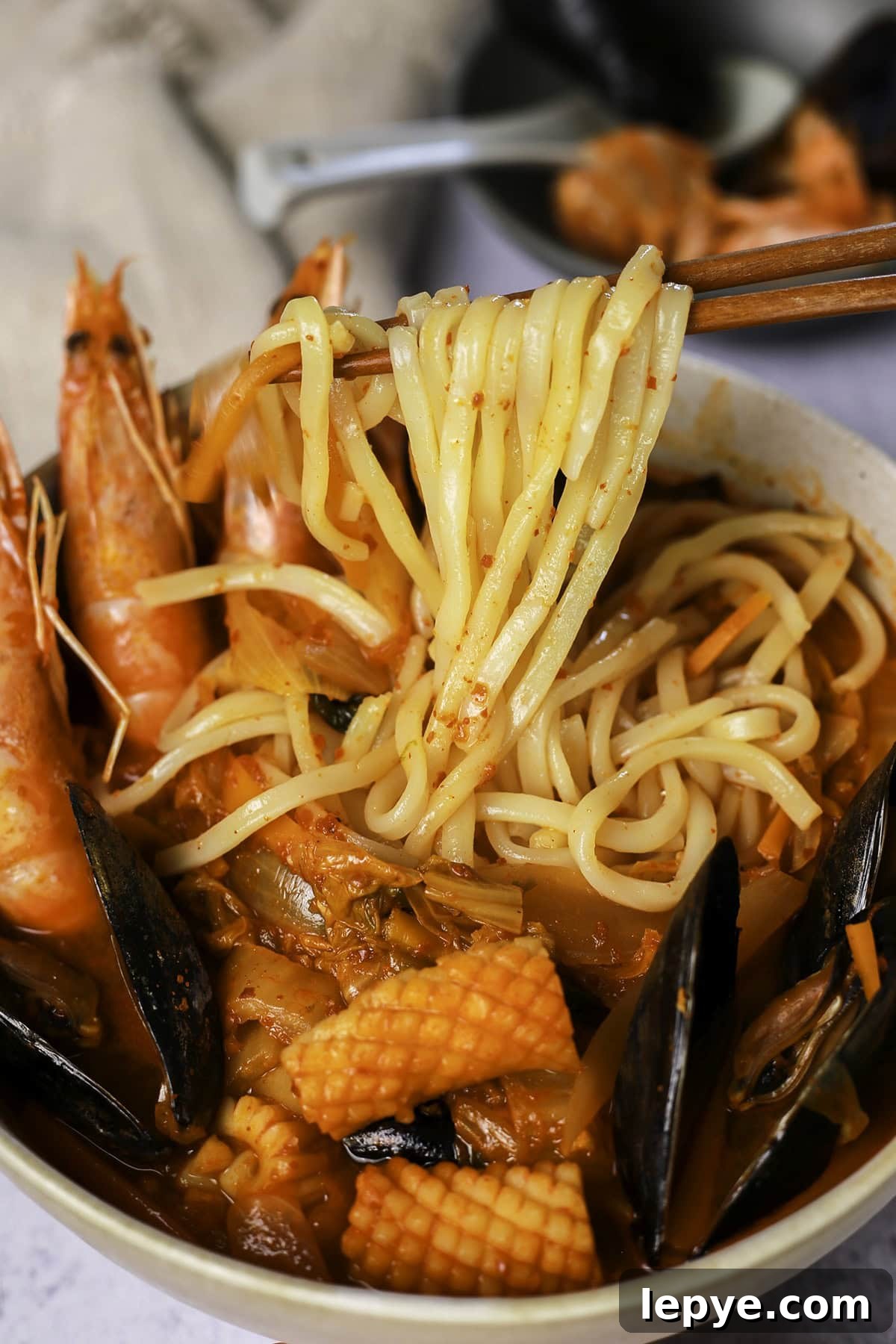
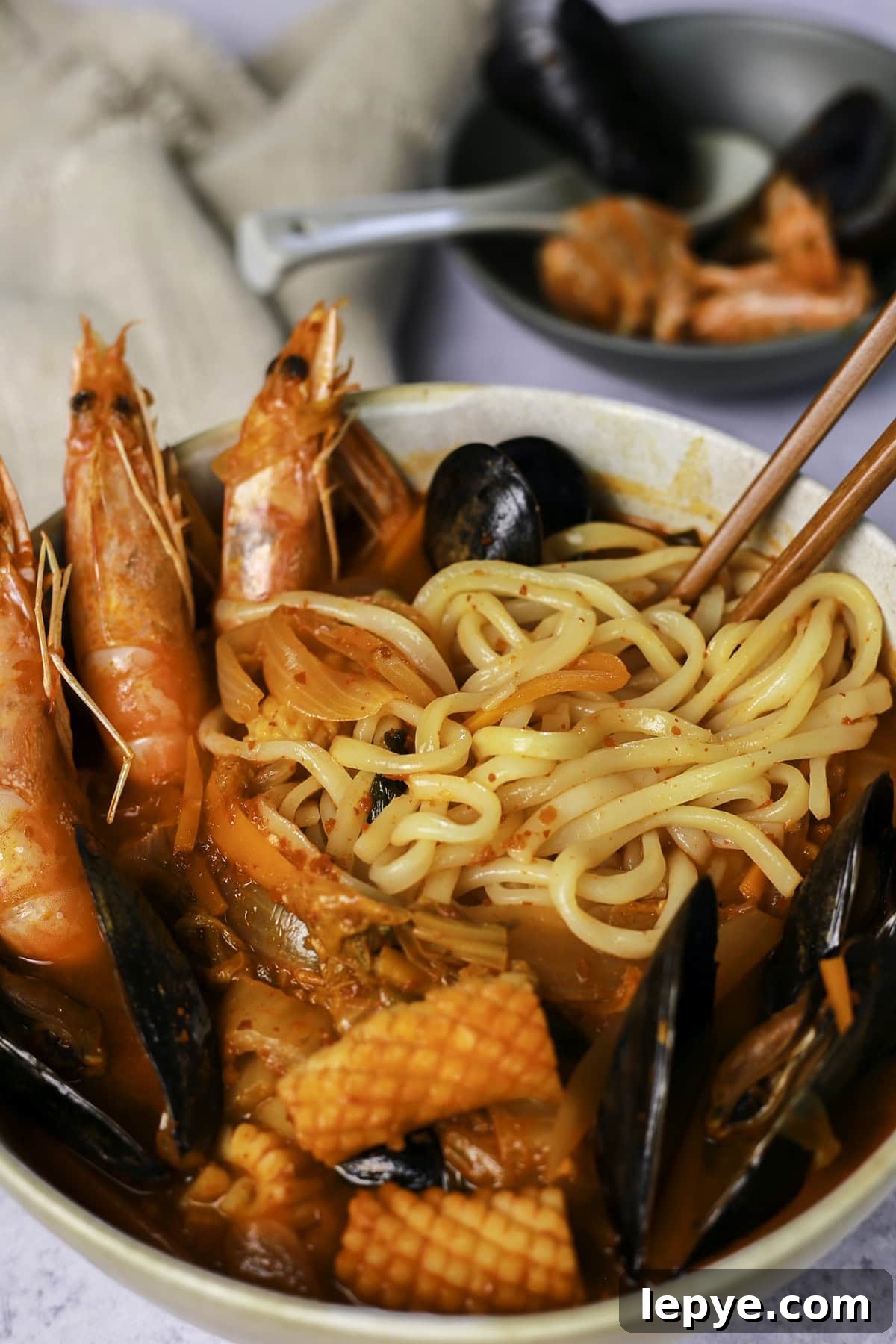
If you crave something both spicy and refreshing, jjamppong — Korean spicy seafood noodle soup — is the perfect cure. Though its vibrant red broth can look intimidating, this dish is medium-spicy and surprisingly easy to make at home. Serve it alongside jajangmyeon (black bean noodles) or tangsuyuk (Korean sweet-and-sour pork) for a complete, satisfying meal.
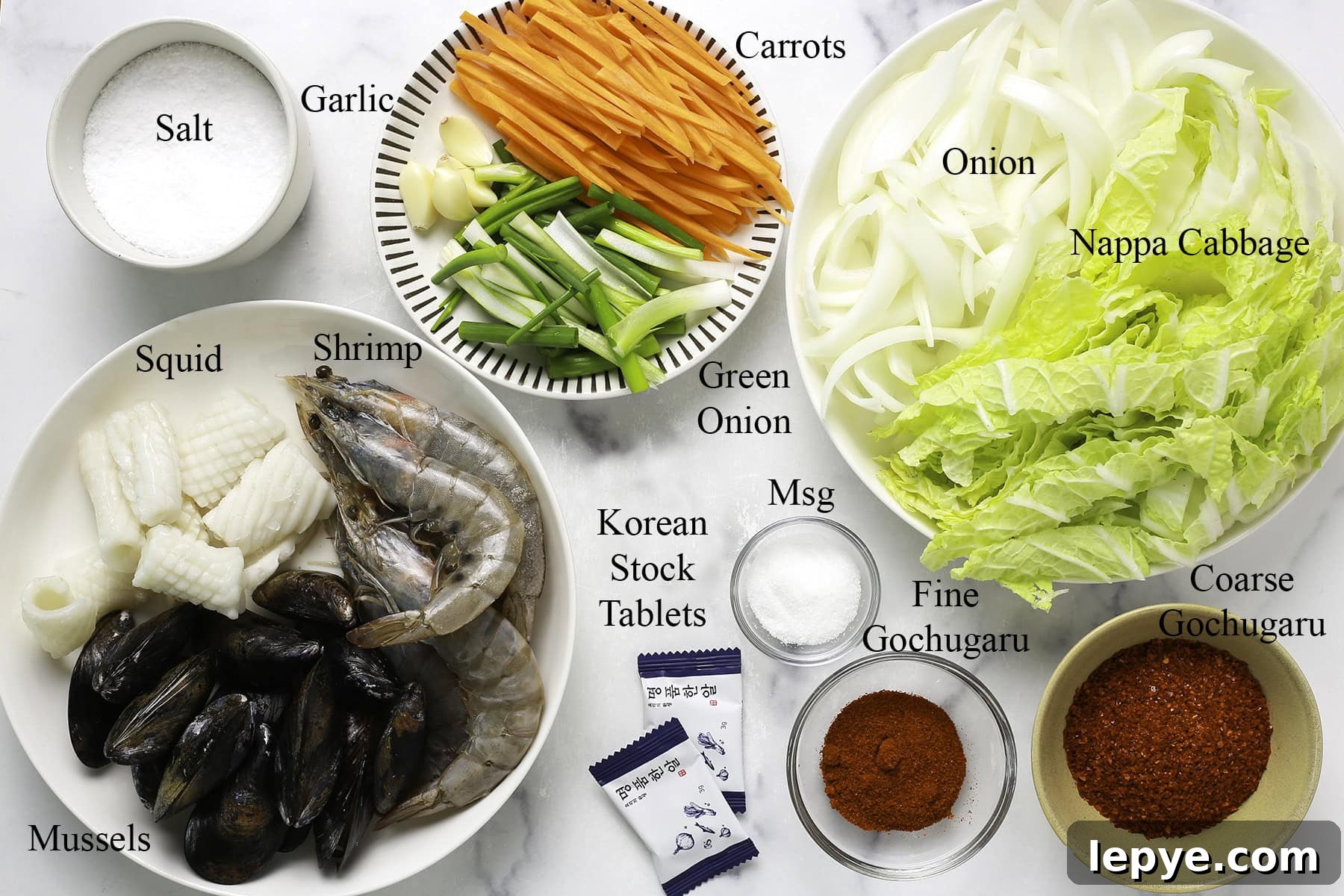
Ingredients needed
Please scroll down to the recipe card for ingredient quantities.
- Seafood — Common choices are shrimp, mussels or clams, and squid or octopus. These are affordable, accessible, and add great flavor. For a special version, add scallops, crab, abalone, or lobster.
- Vegetables — This recipe uses napa cabbage, carrot, onion, and green onion. The onion is essential for sweetness and depth; the other vegetables can be swapped to taste. Popular alternatives include green cabbage, zucchini, and mushrooms.
- Gochugaru (Korean red pepper) — It comes coarse or fine ground. Coarse is common for kimchi and marinades, while fine is typically used in soups. If you only have coarse, increase by 1 teaspoon of coarse for every tablespoon of fine called for.
- Soup stock tablet — Optional for convenience; you can omit it or use homemade anchovy-kelp (dashima) stock instead.
- Garlic, salt, and MSG — A small amount of MSG enhances seafood flavors, but it can be omitted or substituted with a splash of oyster or fish sauce.
- Korean fresh noodles — Thick, chewy noodles labeled for udon or jajangmyeon work best to hold up in the hot broth.
How to make jjamppong
Please scroll down to the recipe card for full ingredient amounts and step-by-step instructions.
Prepare the seafood
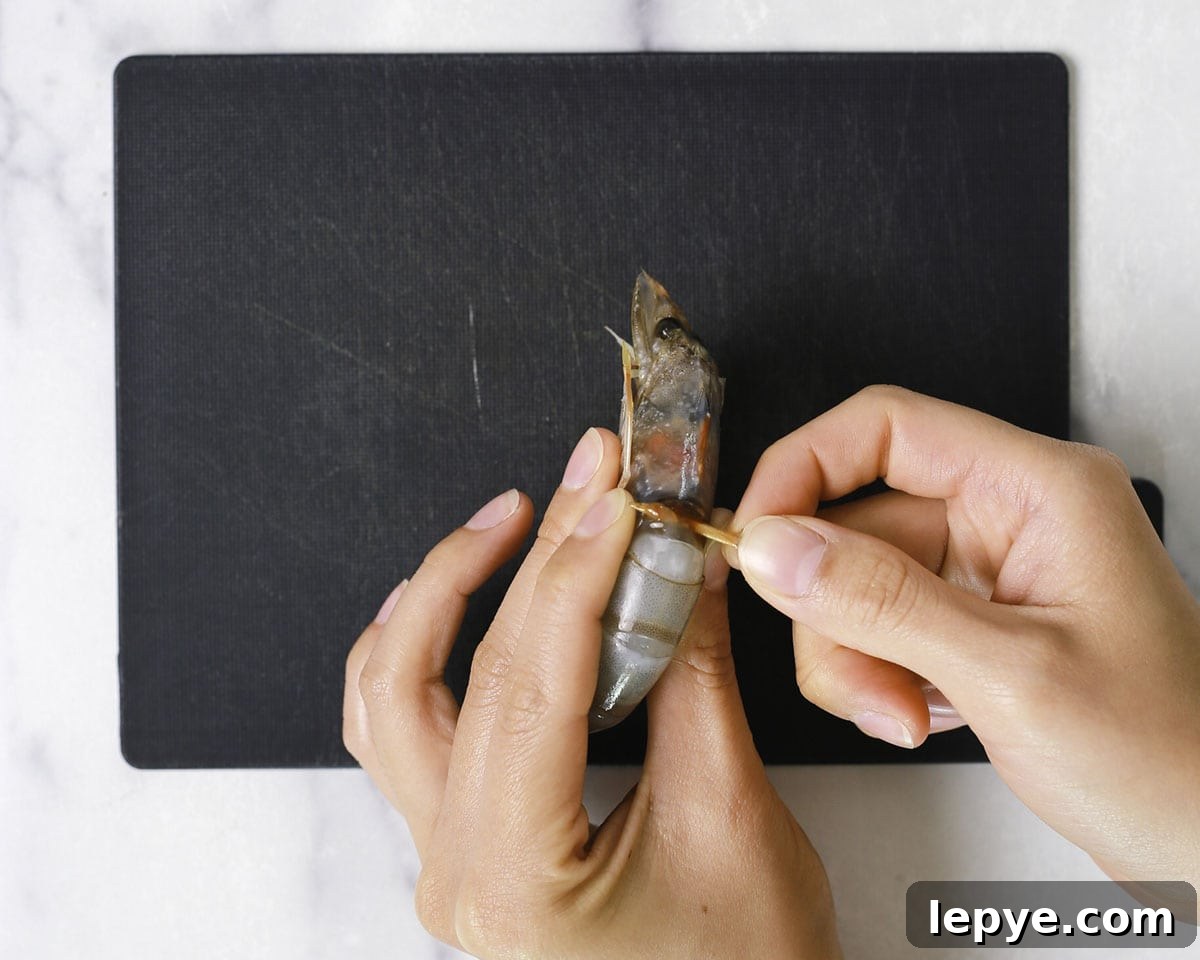
Shrimp — Using unpeeled, head-on shrimp gives the soup extra flavor. If using head-on shrimp, you can leave the shells on but devein them: insert a toothpick or fork prong between the head and body to lift out the digestive tract. If using peeled shrimp, simply rinse and drain.
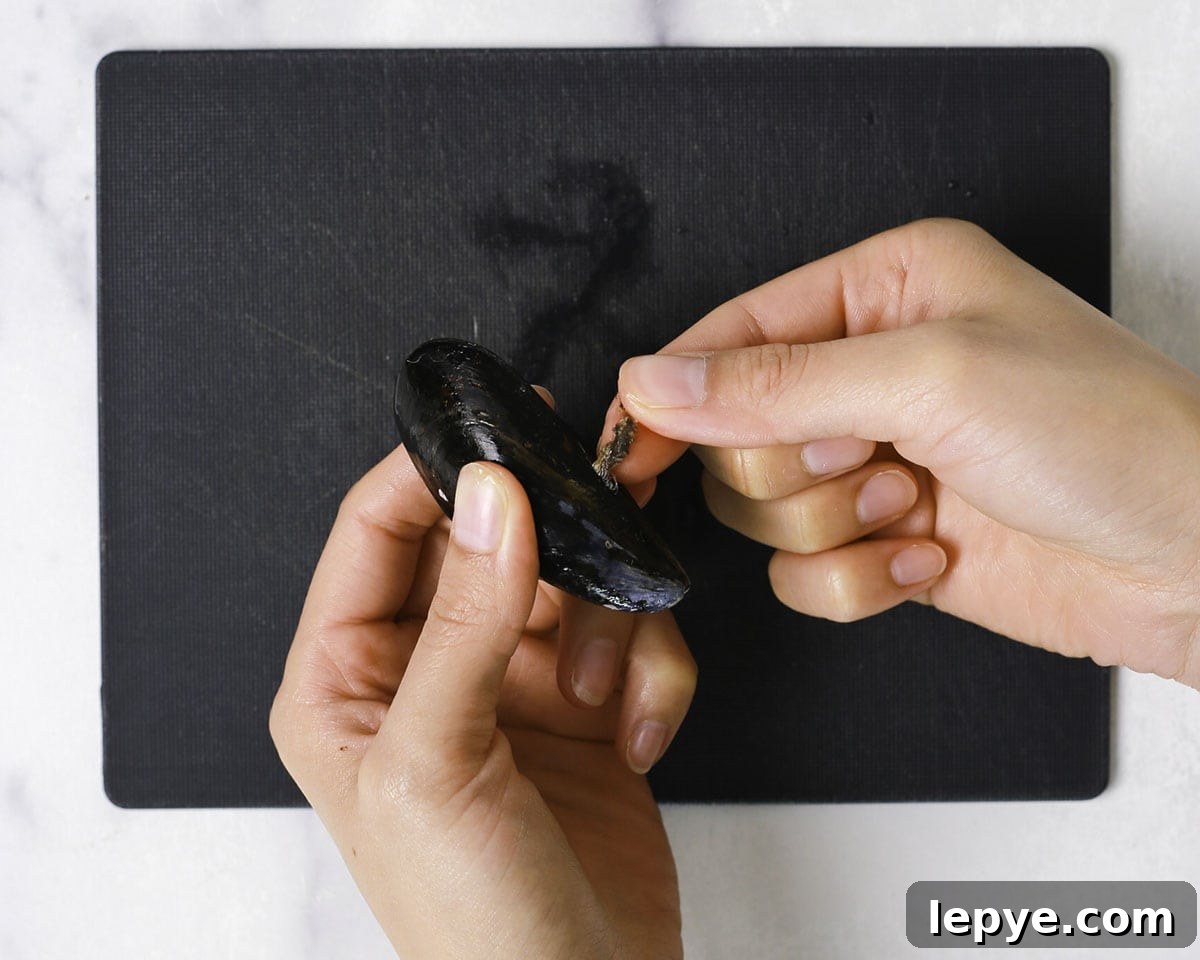
Mussels — Rinse and scrub the shells and remove the beard (the fibrous part protruding from the shell).
Clams — Rinse and scrub. To purge sand, soak clams in about 1 quart (1 liter) of water with 2 tablespoons (30 g) kosher salt for roughly 1 hour, then rinse well.
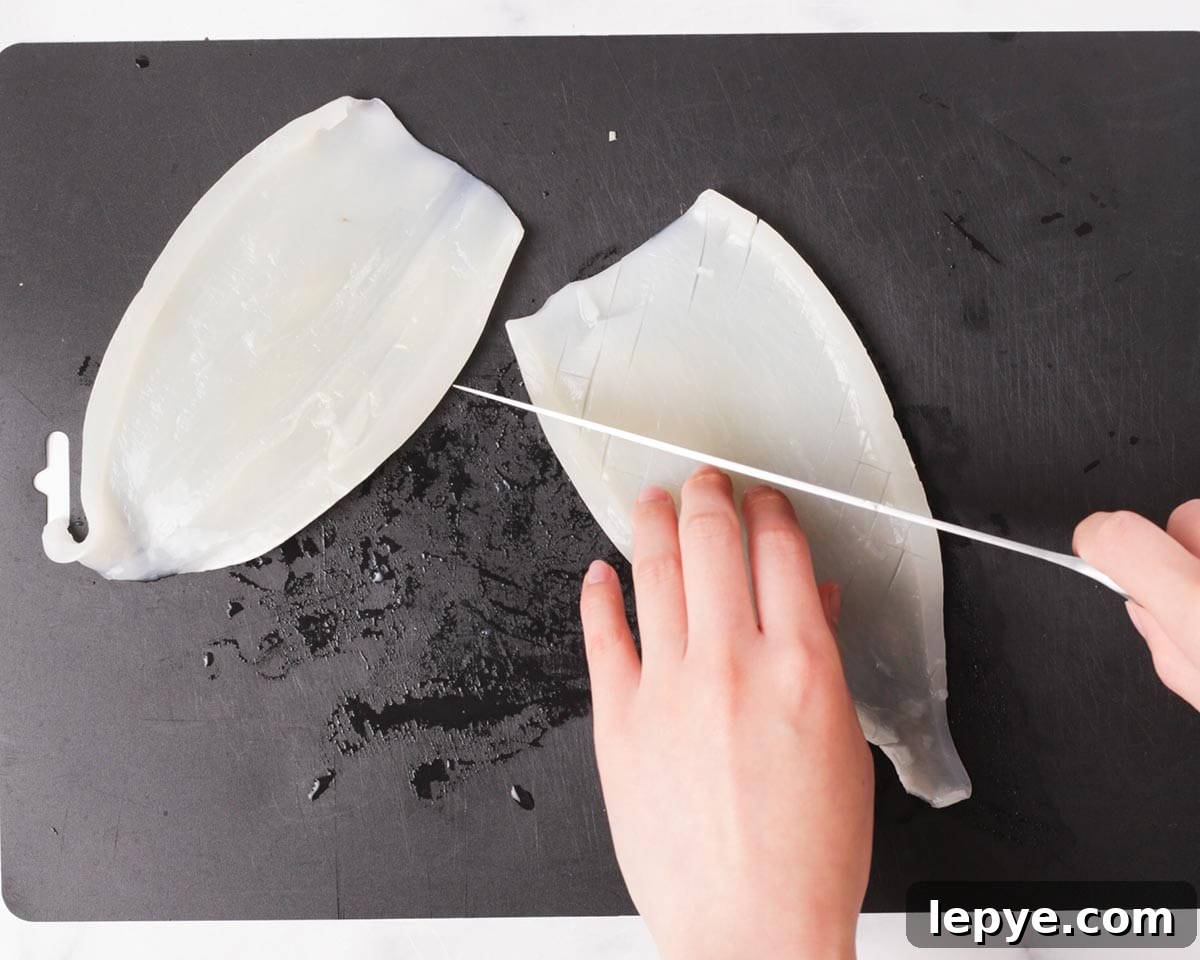
Squid — Rinse and slice the tube into rings, or split it lengthwise and score the inner surface in a crisscross pattern before cutting into 1–2 inch pieces.
Cook the noodles
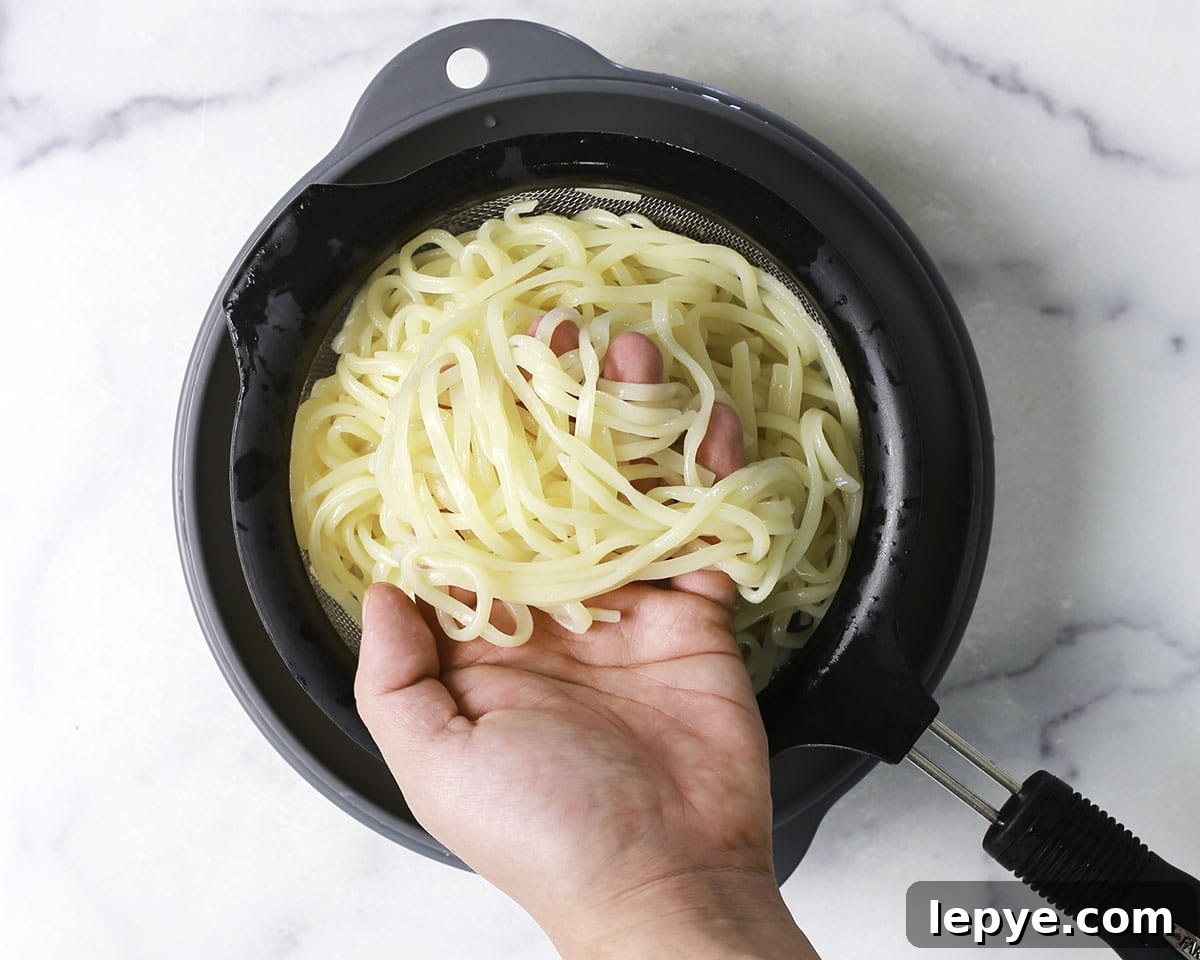
Bring a pot of water to a boil while preparing seafood. Add fresh noodles and cook according to the package. Drain the noodles but keep the hot water on the stove — you will use it to briefly warm the noodles just before serving. Rinse the cooked noodles thoroughly with cold water to keep them chewy and springy, then set aside.
Make the jjamppong
1. Heat a well-seasoned wok or a nonstick pot over medium-high. Add oil and heat until just starting to smoke. Stir-fry onion, carrot, green onion, and garlic until fragrant, about 30 seconds to 1 minute. Add napa cabbage and stir-fry until mostly wilted, about 2–3 minutes.
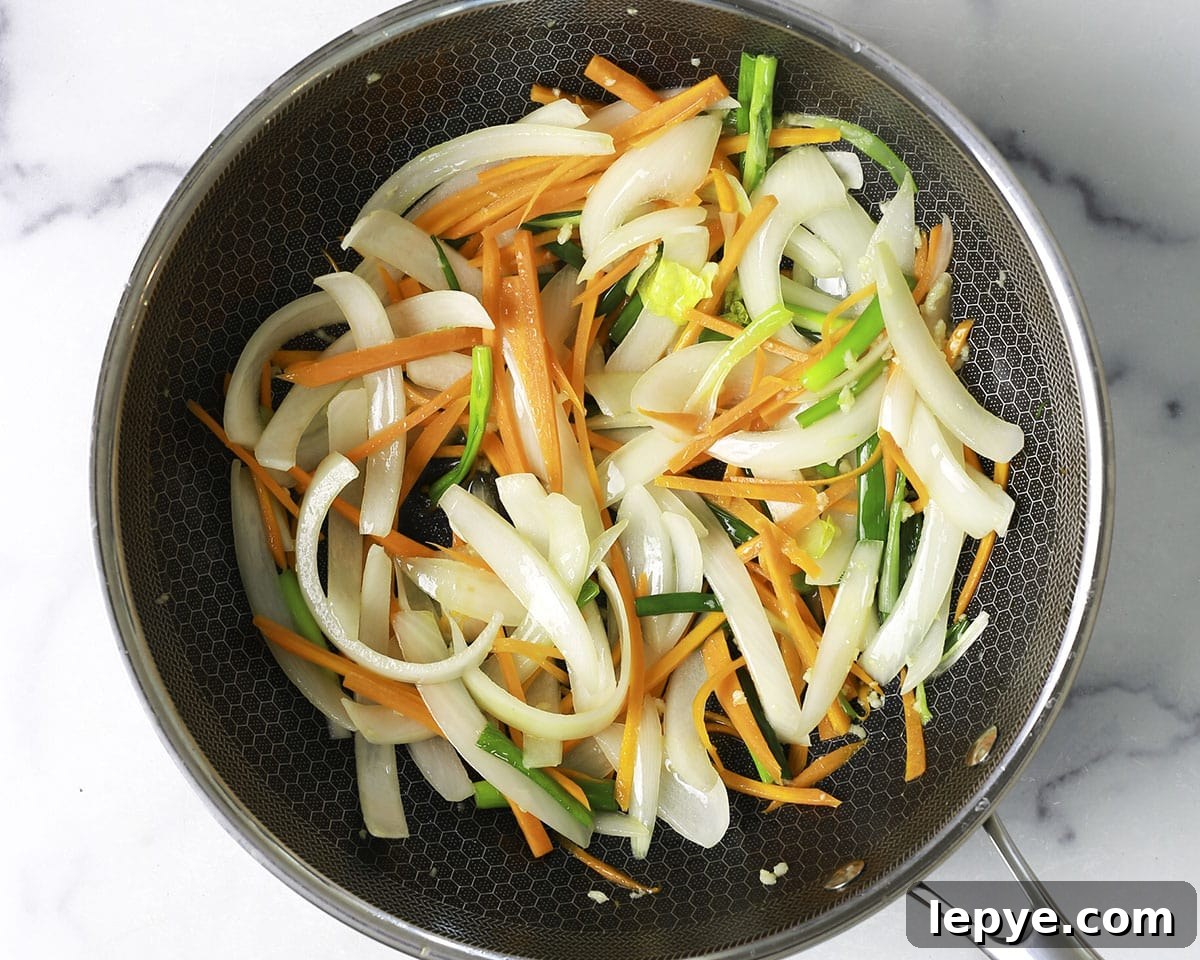
Note: Have all ingredients ready and work quickly once cooking begins. High heat helps recreate the wok hei flavor characteristic of jjamppong.
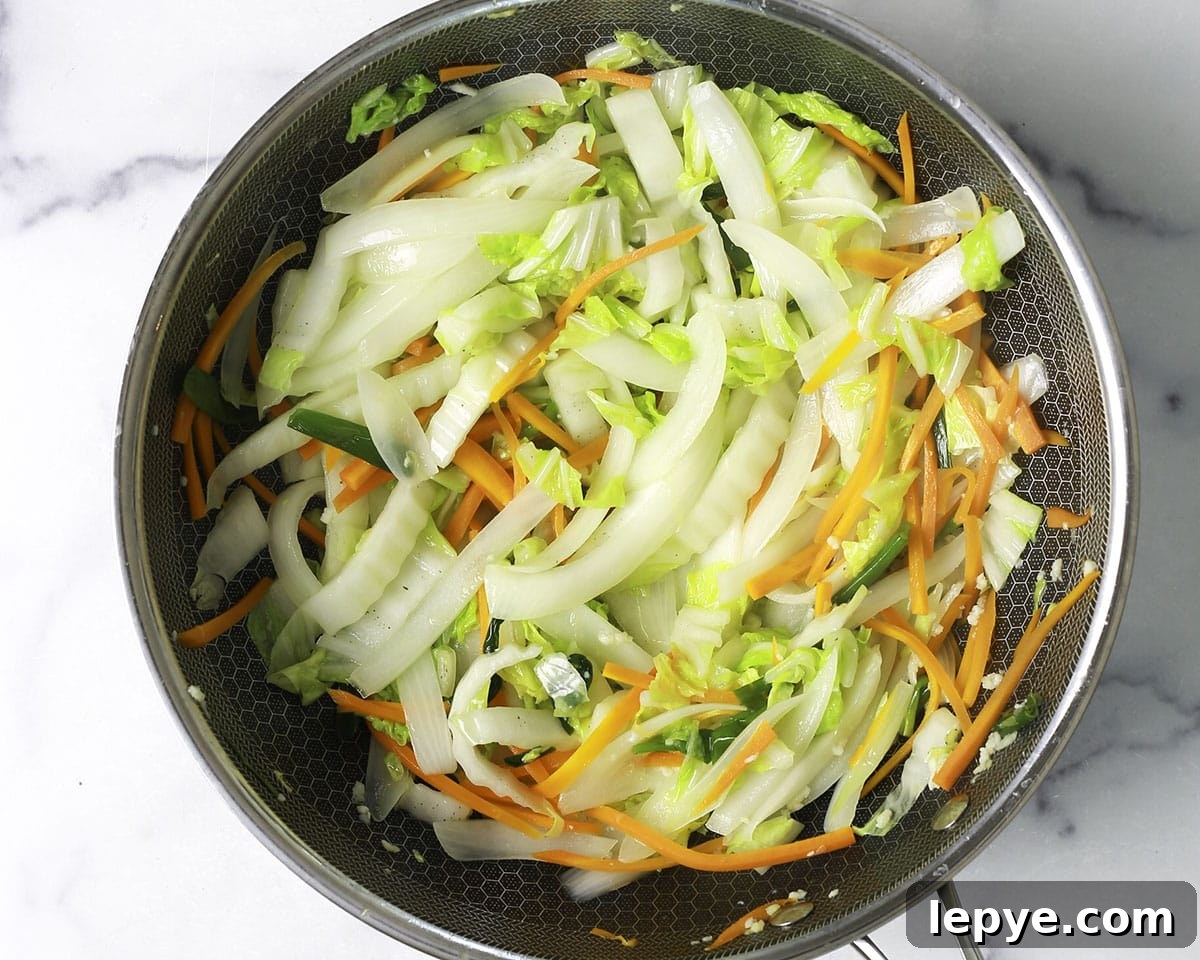
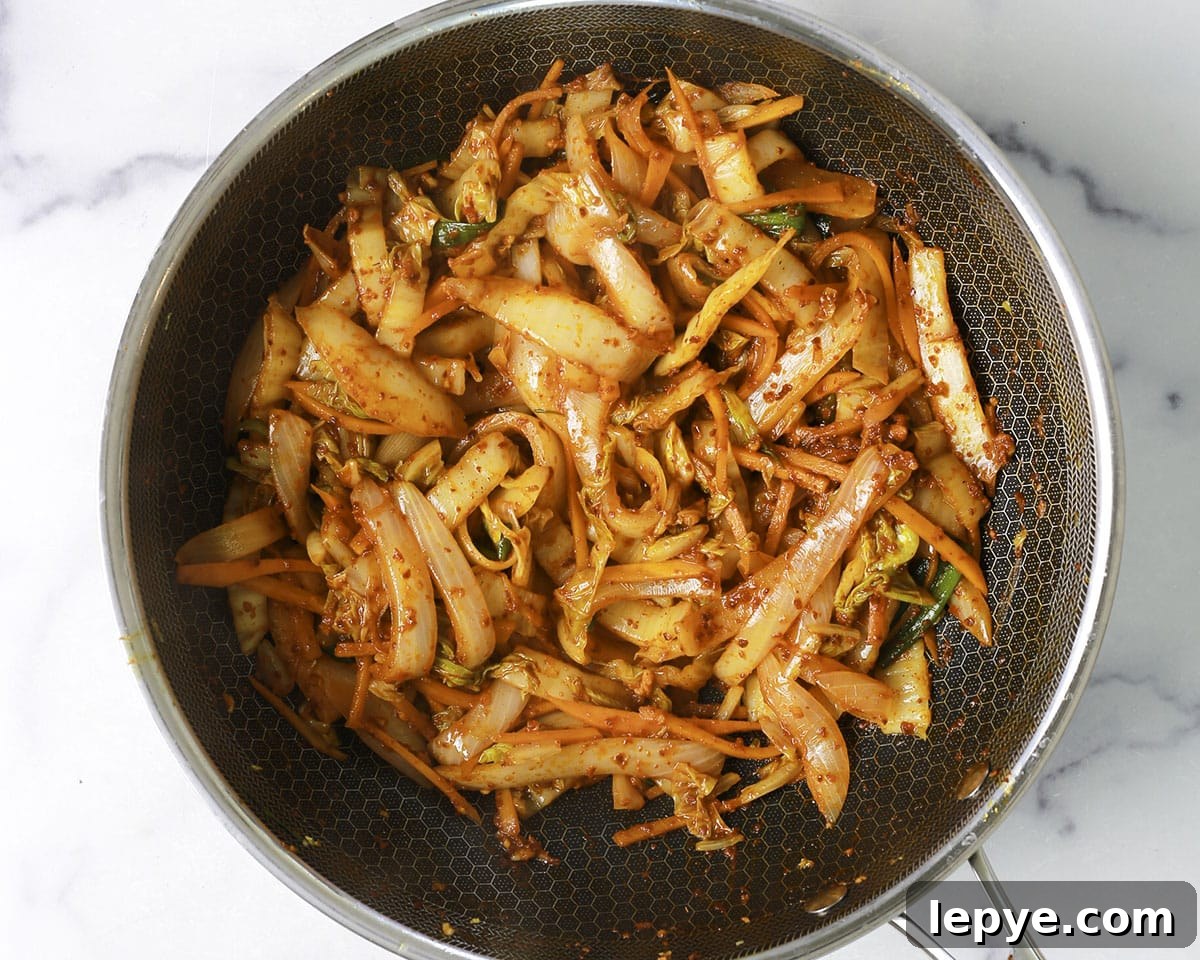
2. Add coarse and fine gochugaru and stir for about 30 seconds until evenly distributed, stirring constantly so the pepper doesn’t burn. Add water and season with crushed instant stock tablet (if using), salt, and MSG. Bring to a boil.
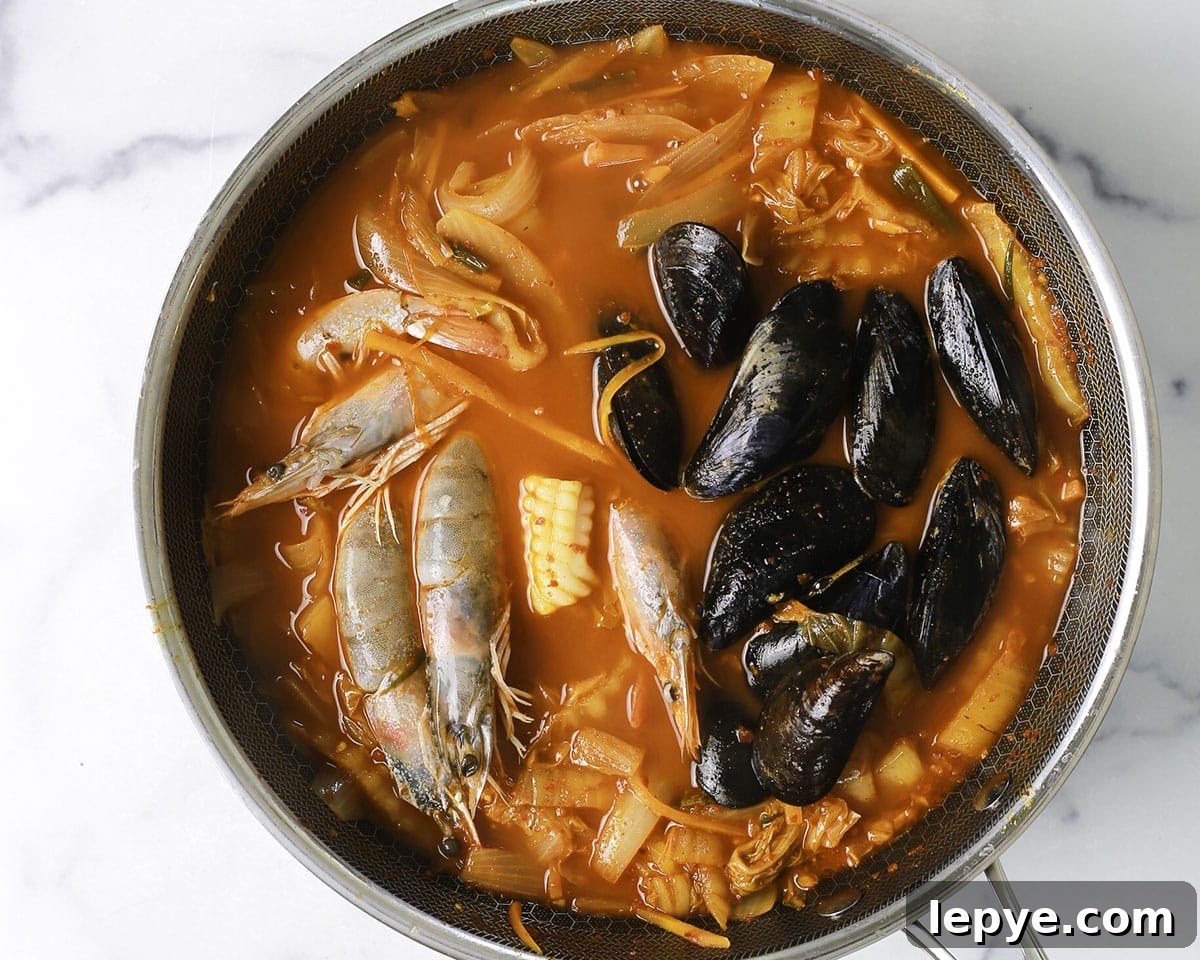
3. When the soup boils, simmer 1–2 minutes to marry flavors, then add all seafood and return to a boil. Stir occasionally so everything cooks evenly. Cook the seafood about 3–5 minutes until mussels and clams open and shrimp turn bright orange and curl into a tight “J”. Remove from heat.
4. Warm the noodles by dipping them briefly into the reserved hot water, drain well, and divide among bowls. Ladle the hot soup and seafood over the noodles and serve immediately while hot.
Storage and reheating
Jjamppong is best fresh, but leftovers store in the refrigerator for up to 3 days. Note that noodles will absorb liquid and soften over time. Reheat gently on the stovetop in a pot, or microwave in a loosely covered, microwave-safe container.
FAQs
Yes. Adjust cooking times for different seafood so everything finishes properly.
Gochugaru is essential for authentic flavor. If you only have coarse gochugaru, use extra: add 1 teaspoon coarse for every tablespoon of fine called for.
MSG enhances umami, especially with seafood, but it is optional. If you avoid it, a tablespoon of oyster sauce or fish sauce can add depth.
Thick, chewy noodles work best. If unavailable, instant ramen is an acceptable substitute.
This recipe yields medium heat. Reduce coarse gochugaru to make it milder. To increase heat, use extra-spicy gochugaru or add chilies such as bird’s eye, jalapeño, or spicy Korean peppers.
📖 Recipe

Jjamppong
Ingredients
- 2 bundles Korean fresh noodle for udon or jajangmyeon (about 200 g per bundle)
- 8 oz large shrimp, preferably head-on
- 8 oz mussels or clams
- 6 oz squid tube (about 1 tube)
- 1/2 large yellow onion, sliced
- 1 medium carrot, cut into matchsticks
- 3 stalks green onion, cut into 2-inch pieces
- 2 tbsp garlic, roughly chopped
- 12 oz napa cabbage, cut into 1/2-inch slices (about 5–6 leaves)
- 5 tbsp gochugaru (coarse)
- 2 tbsp gochugaru (fine) or more coarse as substitute
- 5 cups water
- 2 instant Korean soup stock tablets, crushed (optional)
- 2 1/2 tsp kosher salt
- 1/4 tsp MSG (optional)
- 3 tbsp neutral oil for cooking
Instructions
- Clean and prepare seafood: Devein shrimp (keep shells on if using head-on shrimp), rinse mussels and remove beards, soak and rinse clams if using, and slice or score squid as described above.
- Cook the noodles: Boil fresh noodles per package instructions. Drain, rinse with cold water, and reserve the pot of hot water for briefly warming noodles later.
- Stir-fry aromatics and vegetables: Heat oil over medium-high in a wok or pot until shimmering. Stir-fry onion, carrot, green onion, and garlic 30–60 seconds. Add napa cabbage and stir until mostly wilted, 2–3 minutes.
- Make the soup: Add coarse and fine gochugaru and stir 30 seconds, then add water, stock tablet (if using), salt, and MSG. Bring to a boil.
- Finish: After boiling 1–2 minutes, add all seafood and return to a boil. Cook 3–5 minutes until seafood is done (mussels/clams open, shrimp bright orange). Remove from heat.
- Assemble: Briefly warm noodles in the reserved hot water, drain, place in bowls, and ladle soup and seafood over the top. Serve immediately.
Notes
- Seafood: Mix and match seafood to taste and adjust cooking times so smaller items don’t overcook.
- Vegetables: Substitute napa cabbage and carrot with cabbage, zucchini, or mushrooms if preferred.
- Stock tablets: These shortcut making anchovy-kelp stock but are optional.
- Spiciness: Reduce or increase gochugaru to adjust heat. Add fresh chilies for extra spice.
Recommended equipment
- Measuring spoons
- Liquid measuring cup
- Flat-bottom wok or large pot
Nutrition