
English Muffins made from scratch develop the craggy nooks and crannies that soak up melted butter, and they taste far fresher than the packaged variety. I made a double batch one snowy morning and a friend declared them officially better than the store-bought ones. Split and toast one for a homemade breakfast sandwich — they hold sausage, egg, and cheese beautifully.

These muffins require some patience for rising, but the active hands-on time is short and the results are well worth it. They freeze and toast back beautifully, making them an excellent make-ahead breakfast option.
English Muffins Quick Look
- Prep Time: 2 hours 30 minutes
- Cook Time: 20 minutes
- Total Time: 2 hours 50 minutes
- Servings: 12 muffins
- Calories: 147 kcal
- Flavor Profile: Soft, chewy, and lightly tangy with a cornmeal-dusted crust
- Difficulty: Beginner friendly — a great first yeast bake
Quick Answer
Bloom active dry yeast in warm water with a little sugar, then mix with warmed milk, honey, and melted butter into a mixture of flour and salt to form a soft dough. Knead until smooth, allow two rises to develop flavor and texture, then roll and cut rounds. Proof the rounds on a cornmeal-dusted tray, and cook them low and slow in a covered skillet until golden. Split with a fork, toast, and butter to reveal the signature nooks and crannies.
Why This Recipe Works
Technique and science
- Griddled on the stovetop: Cooking on a skillet produces a flat shape and chewy interior that ovens don’t always replicate.
- Wet, soft dough: A slightly sticky dough creates the open crumb and many small air pockets.
- Two rises: Allowing the dough to rise twice deepens flavor and lightens texture.
- Cornmeal dusting: Cornmeal creates the classic gritty crust and prevents sticking.
- Low-and-slow cooking: Covering the pan and cooking over medium-low heat cooks the interior through without burning the exterior.
Why You’ll Love This Recipe
- Fresher and chewier than store-bought muffins.
- Freeze well and toast quickly for busy mornings.
- Perfect base for a hearty breakfast sandwich.
Key Ingredients
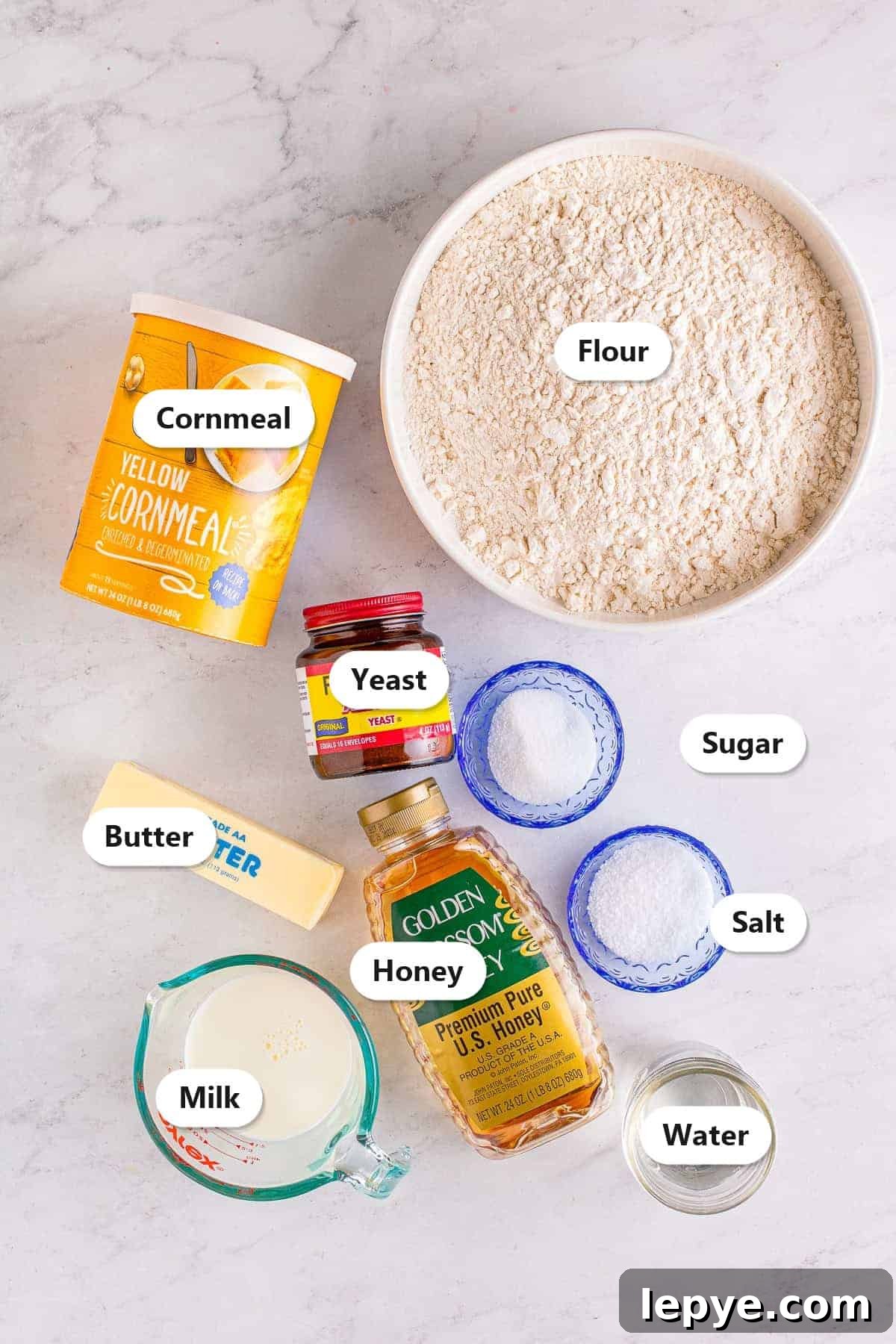
A handful of pantry staples yields bakery-style muffins. You will need:
- All-purpose flour: Provides structure; added in stages to keep the dough soft.
- Active dry yeast: Gives the rise and chewy texture.
- Milk and honey: Add richness and a touch of sweetness.
- Butter: Keeps the crumb tender and flavorful.
- Cornmeal: Dusted on the outside for the classic gritty crust.
See the recipe card for exact quantities and ingredient details.
Variations and Substitutions
Simple ways to adapt the recipe:
- Whole wheat: Replace up to half the flour with whole wheat for a nuttier muffin.
- Sourdough-like tang: Refrigerate the dough overnight after the first rise for a deeper flavor.
- Cinnamon raisin: Add a handful of raisins and a teaspoon of cinnamon for a sweet variation.
- Size options: Use a larger cutter for sandwich-size muffins or a smaller one for slider-sized rounds.
- Extra crannies: Gently pierce the proofed rounds with a fork before cooking to encourage a more open crumb.
How to Make English Muffins
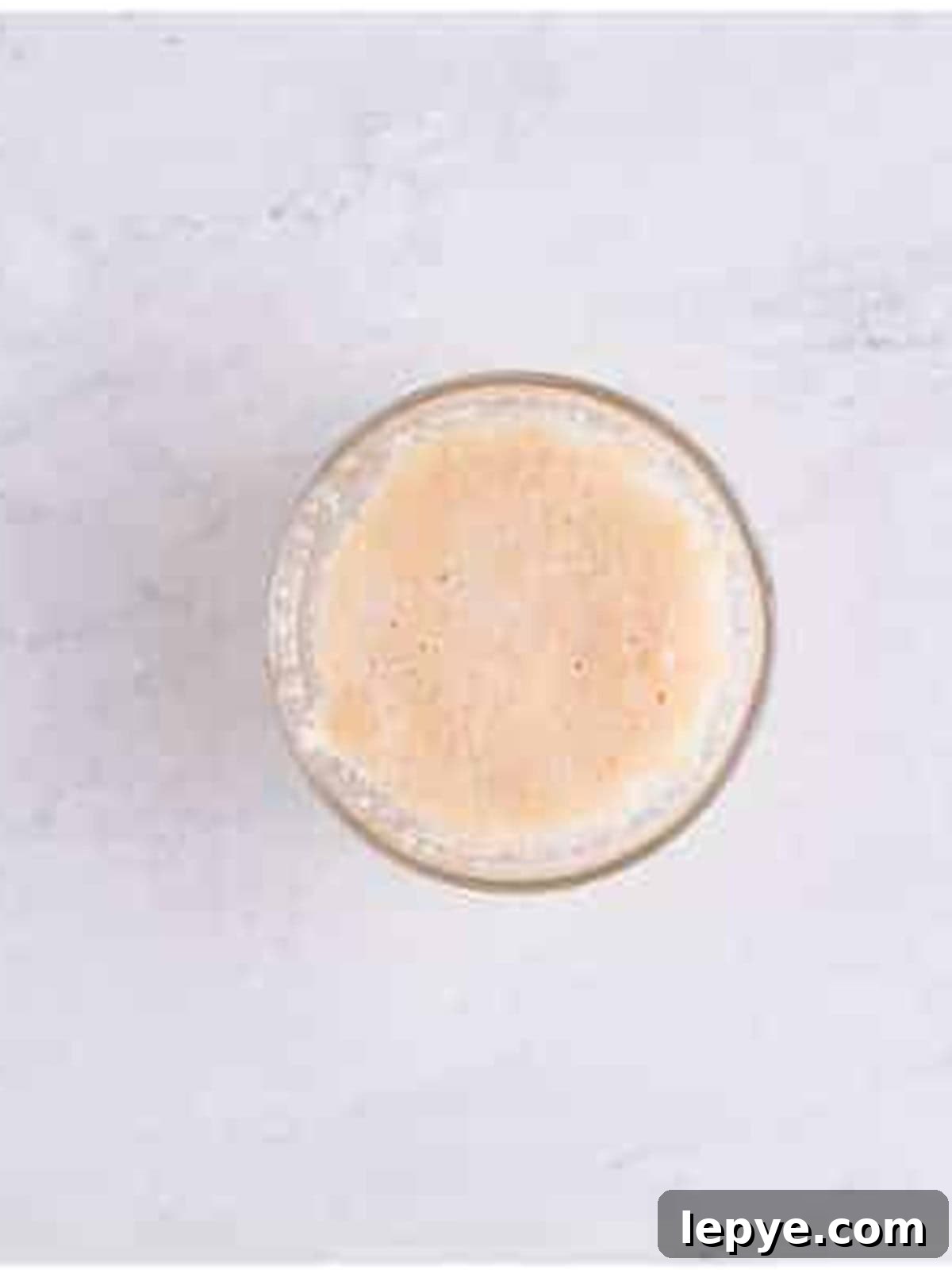
- Whisk together yeast, sugar, and warm water in a small bowl. Let stand about 5 minutes until foamy.
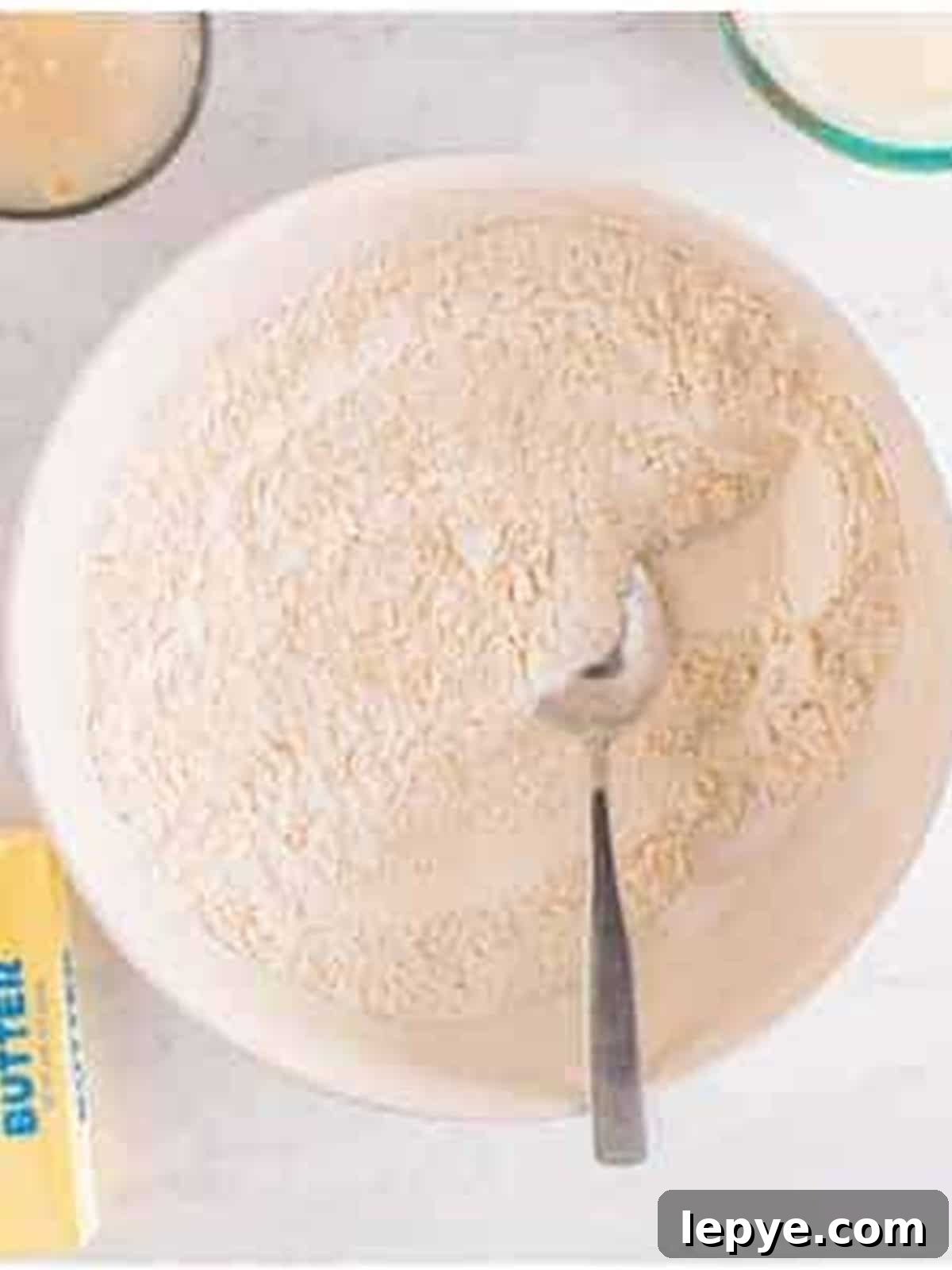
- In a large bowl, whisk half the flour with the salt. In a separate bowl, combine milk, honey, and melted butter, then add to the foamy yeast and pour into the dry ingredients.
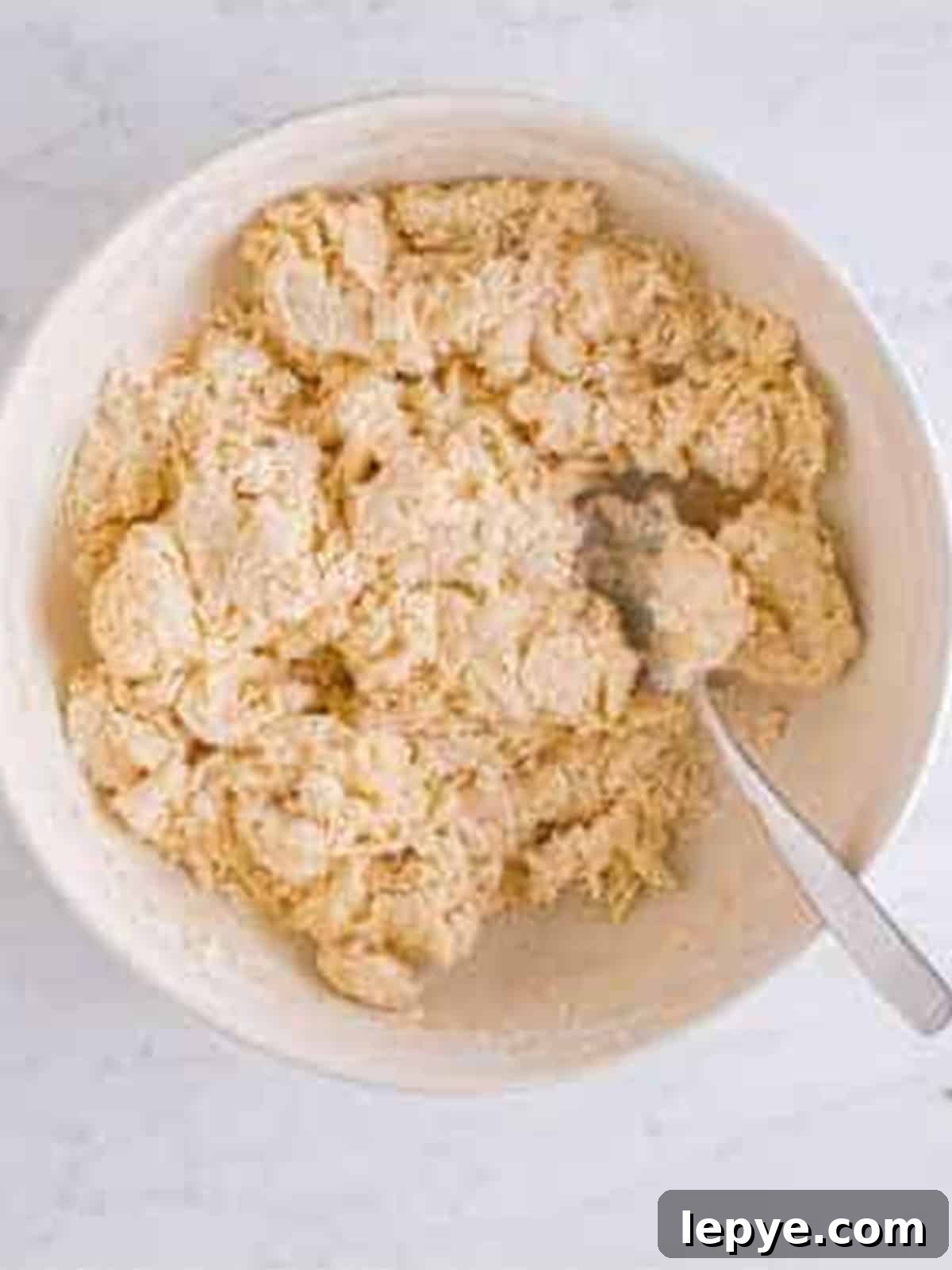
- Add the remaining flour and stir until a shaggy dough forms. Knead about 8 minutes until smooth, then let the dough rise, covered, until doubled. Punch down and allow a second rise.
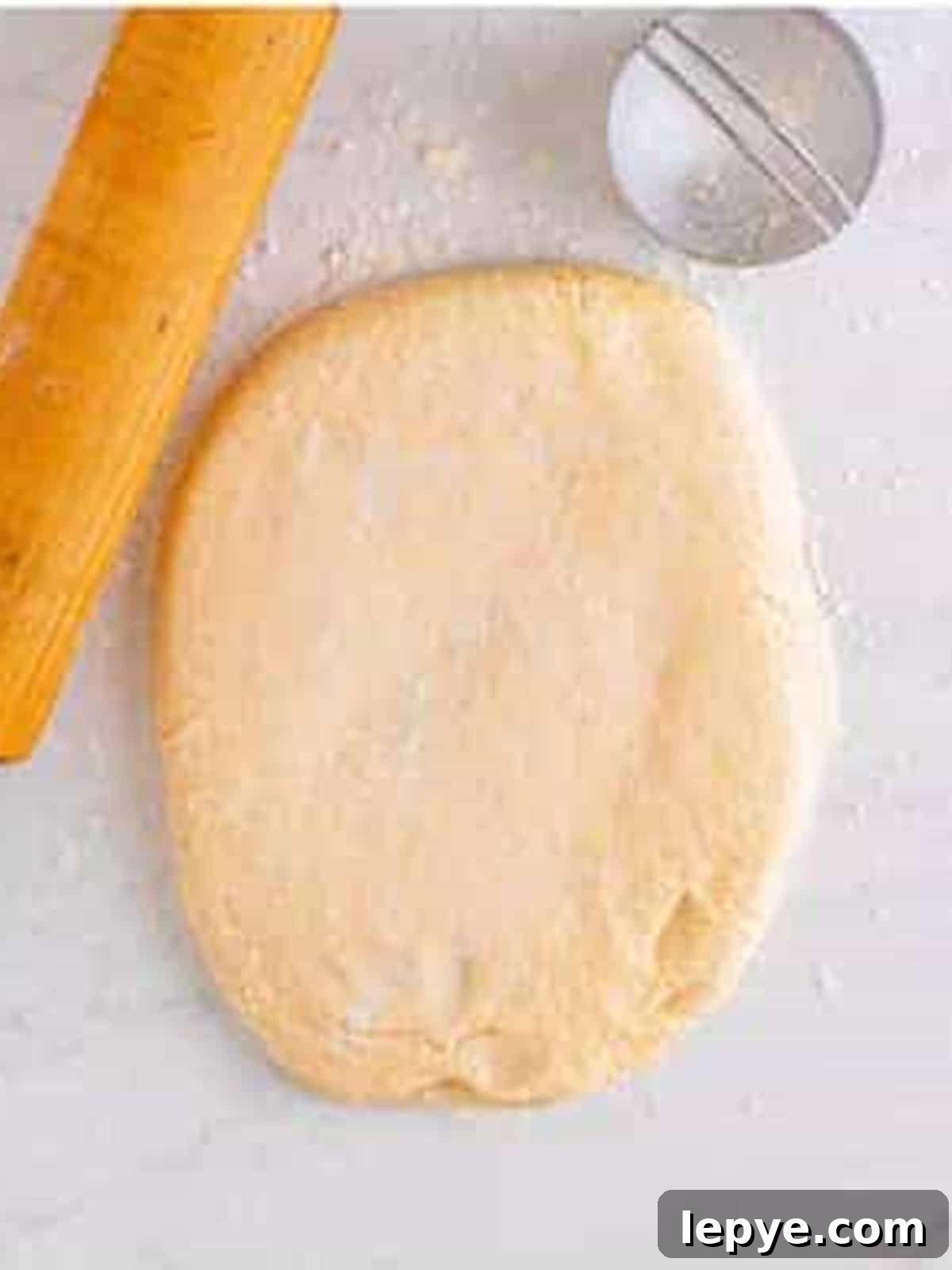
- Turn the dough onto a floured surface and roll to 1/2–3/4 inch thickness.

- Cut rounds with a 3-inch cutter, re-rolling scraps as needed. Place rounds on a cornmeal-dusted tray, cover, and proof until doubled.

- Cook the muffins on a lightly greased skillet over medium-low heat, covered, about 6 minutes per side until golden brown. Cool, then split and toast before serving.
Recipe Tips & Tricks
- Temperature matters: Keep water and milk around 110°F to activate the yeast without killing it.
- Split with a fork: Pull the muffin apart with a fork rather than slicing to preserve those craggy edges.
- Keep dough slightly wet: A wetter, looser dough helps form the open crumb that traps butter.
- Cook in batches: Avoid crowding the pan so each muffin cooks evenly.
- Rise fully: Allowing proper rise time gives a lighter texture; a warm spot helps.
- Freeze for convenience: Cool completely, freeze in a bag, and toast directly from frozen when needed.
Serving Ideas and Suggestions
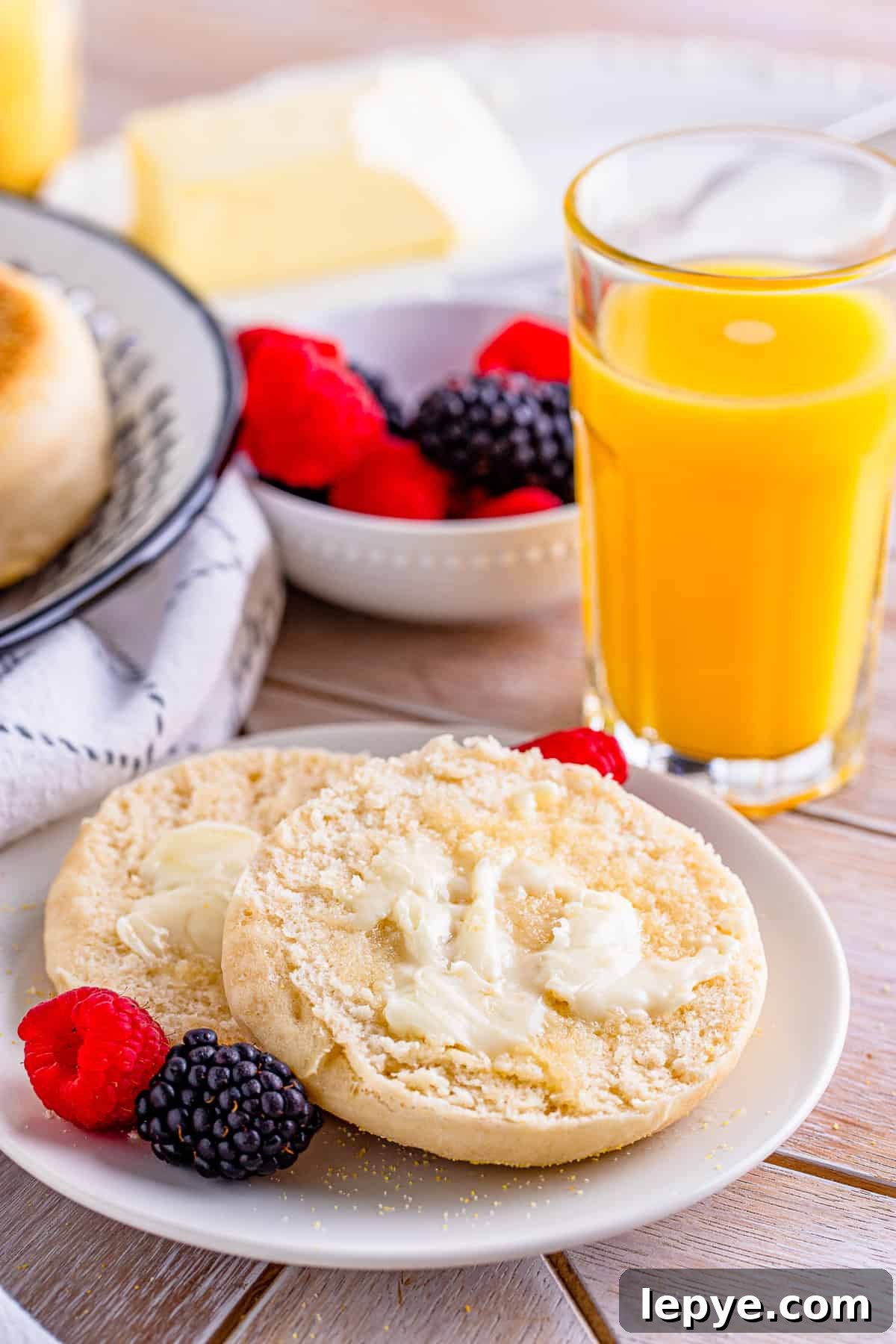
Split the muffins with a fork, toast until golden, and slather with butter and jam. For a heartier option, build a breakfast sandwich with sausage, egg, and cheese. They pair well with other brunch items like an overnight breakfast casserole, homemade breakfast sausage, or creamy grits.
Leftovers freeze well; keep a batch on hand to pop directly into the toaster on busy mornings.
English Muffins FAQs
Dense muffins usually indicate inactive yeast or insufficient rising time. Ensure liquids are around 110°F and allow the dough to double during each rise.
Cornmeal creates the classic texture and prevents sticking. If necessary, you can substitute a little semolina or coarse flour, but cornmeal is recommended.
Yes. After the first rise, refrigerate the dough overnight. Bring it to room temperature before rolling, cutting, and cooking.
Traditional English muffins are griddled; the skillet yields the flat top and bottom and the chewy interior that characterize authentic muffins.
Store them in an airtight bag at room temperature for up to three days, or freeze for up to three months. Toast to refresh before serving.

Homemade English Muffins
Ingredients
- 1 teaspoon active dry yeast
- 1 tablespoon granulated sugar
- ½ cup warm water (110°F)
- 3 cups all-purpose flour, divided
- ¾ teaspoon table salt
- ½ cup whole milk
- 2 teaspoons honey
- 2 tablespoons unsalted butter
- Cornmeal for dusting
Instructions
- Whisk yeast, sugar, and warm water in a small bowl and let stand until foamy, about 5 minutes.
- In a large bowl, whisk together half the flour and the salt.
- Combine milk, honey, and melted butter. Cool to about 110°F, then add to the yeast mixture.
- Pour wet ingredients into the dry ingredients and stir to combine. Add remaining flour and mix until a shaggy dough forms.
- Turn the dough onto a lightly floured surface and knead about 8 minutes until smooth. Add a little flour only if the dough is too sticky to work with.
- Place the dough in a greased bowl, cover, and let rise until doubled. Punch down and let rise again until doubled.
- Roll the dough to ½–¾ inch thick. Cut rounds with a 3-inch cutter, re-rolling scraps as needed.
- Place rounds on a cornmeal-dusted tray, cover, and proof until doubled in size.
- Heat a large skillet to medium-low and lightly grease. Cook the muffins in batches, covered, about 6 minutes per side until golden brown.
- Cool slightly, split with a fork, toast if desired, and serve.
Notes
- These muffins can be further toasted in a toaster to crisp the interior after griddling.
- Cornmeal is recommended to achieve the traditional texture and prevent sticking.
- Use active dry yeast, not instant, for this method.
- Freeze cooled muffins for up to three months and toast from frozen when needed.
- Top with your favorite spreads or use as a sandwich base.
- Double the recipe to keep extras on hand.
Nutrition
Carbohydrates: 27 g |
Protein: 4 g |
Fat: 3 g
Other Recommended Breakfast Recipes
 Sausage Egg and Cheese McMuffin Recipe (Homemade)
-
Sausage, Egg and Cheese Breakfast Sliders
-
Easy Overnight Breakfast Casserole
-
Homemade Breakfast Sausage




If you make these English Muffins, please leave a star rating and share photos on social. Tag your creations to show how you serve them for breakfast or brunch.
Enjoy baking? Try homemade dinner rolls or cinnamon rolls next for more from-scratch breakfast baking adventures.