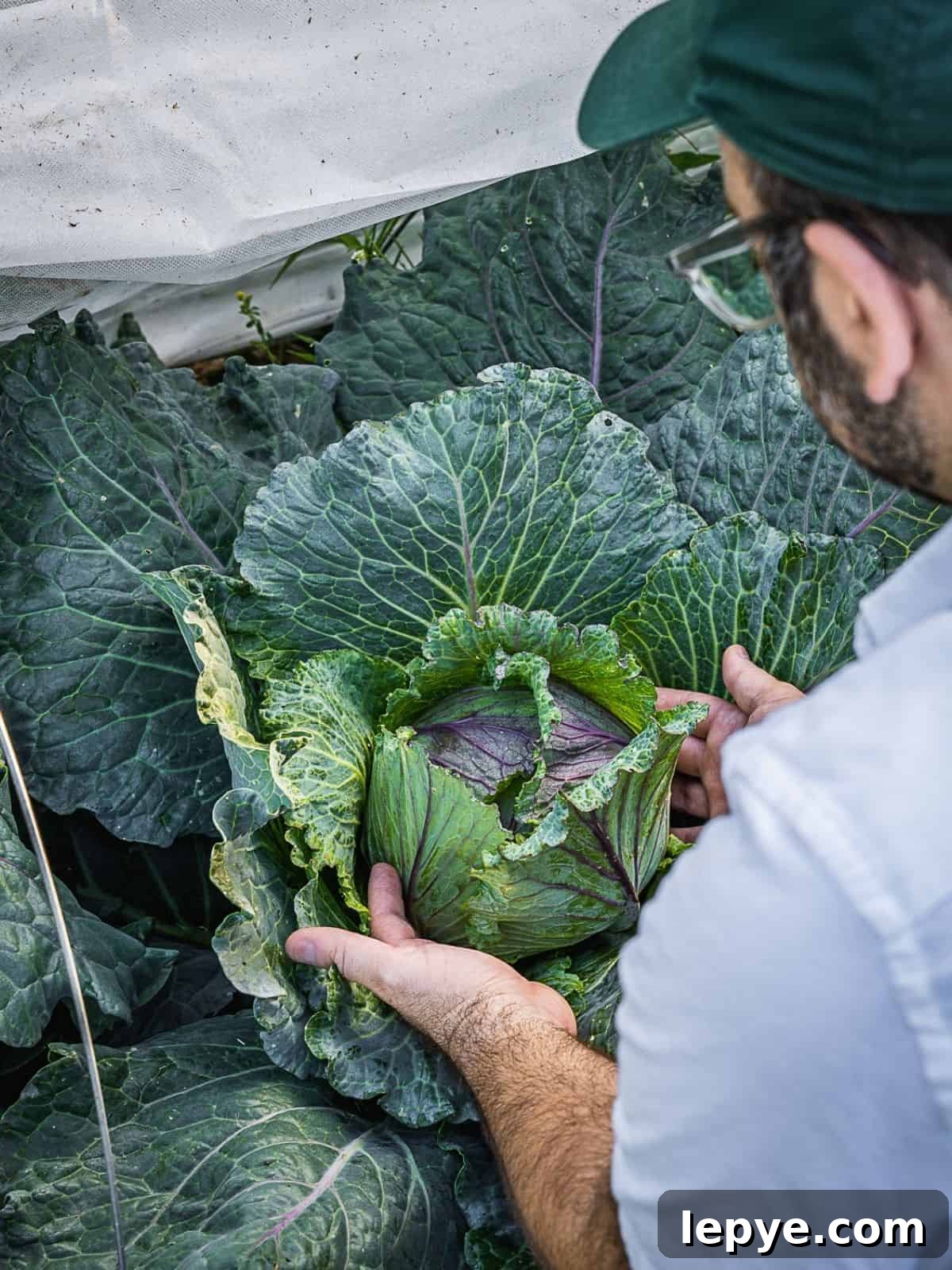
Cabbage is a member of the Brassicaceae family, which also includes broccoli, cauliflower, and Brussels sprouts. This article covers varieties, how to grow cabbage, harvesting, storage, preservation, and ways to enjoy it.
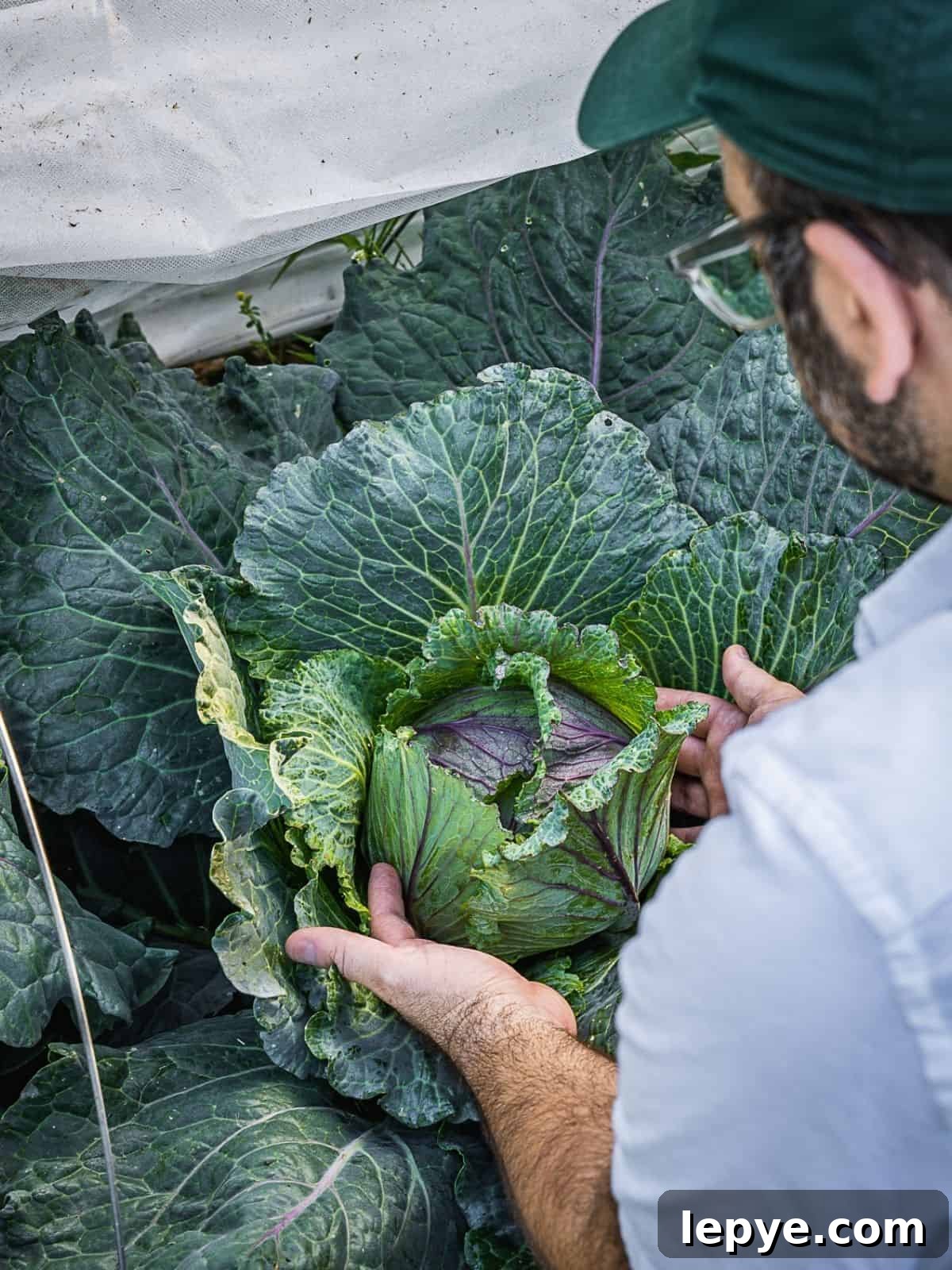
Table of Contents
- Cabbage Overview
- Culinary Uses
- Cabbage Varieties
- Growing Cabbage in Small and Container Gardens
- When to Plant
- How to Plant
- When to Harvest
- Storing Fresh Cabbage
- Cabbage Recipes to Try
Cabbage Overview
Originally from the Mediterranean, cabbage is now grown worldwide. It is hardy and adapts well to a variety of climates, making it a staple in many cuisines. Cabbage is valued for its versatility, long shelf life, and nutritional benefits.
Across cultures, cabbage often symbolizes luck, abundance, and renewal. It appears in festival dishes and seasonal celebrations, representing prosperity and new beginnings for many families.
Cabbage is low in calories and rich in nutrients, including vitamin C, vitamin K, folate, and dietary fiber. It also contains compounds thought to have anti-inflammatory and antioxidant effects.
Culinary Uses
Cabbage is extremely versatile. Raw, it brings crunch and mild sweetness to salads and slaws. It also shines cooked: in soups, stews, braises, and casseroles; stir-fried or sautéed; stuffed for cabbage rolls; or pickled for sandwiches and charcuterie boards. Fermented cabbage—sauerkraut and kimchi—adds tangy, probiotic-rich flavor and serves as a popular condiment.
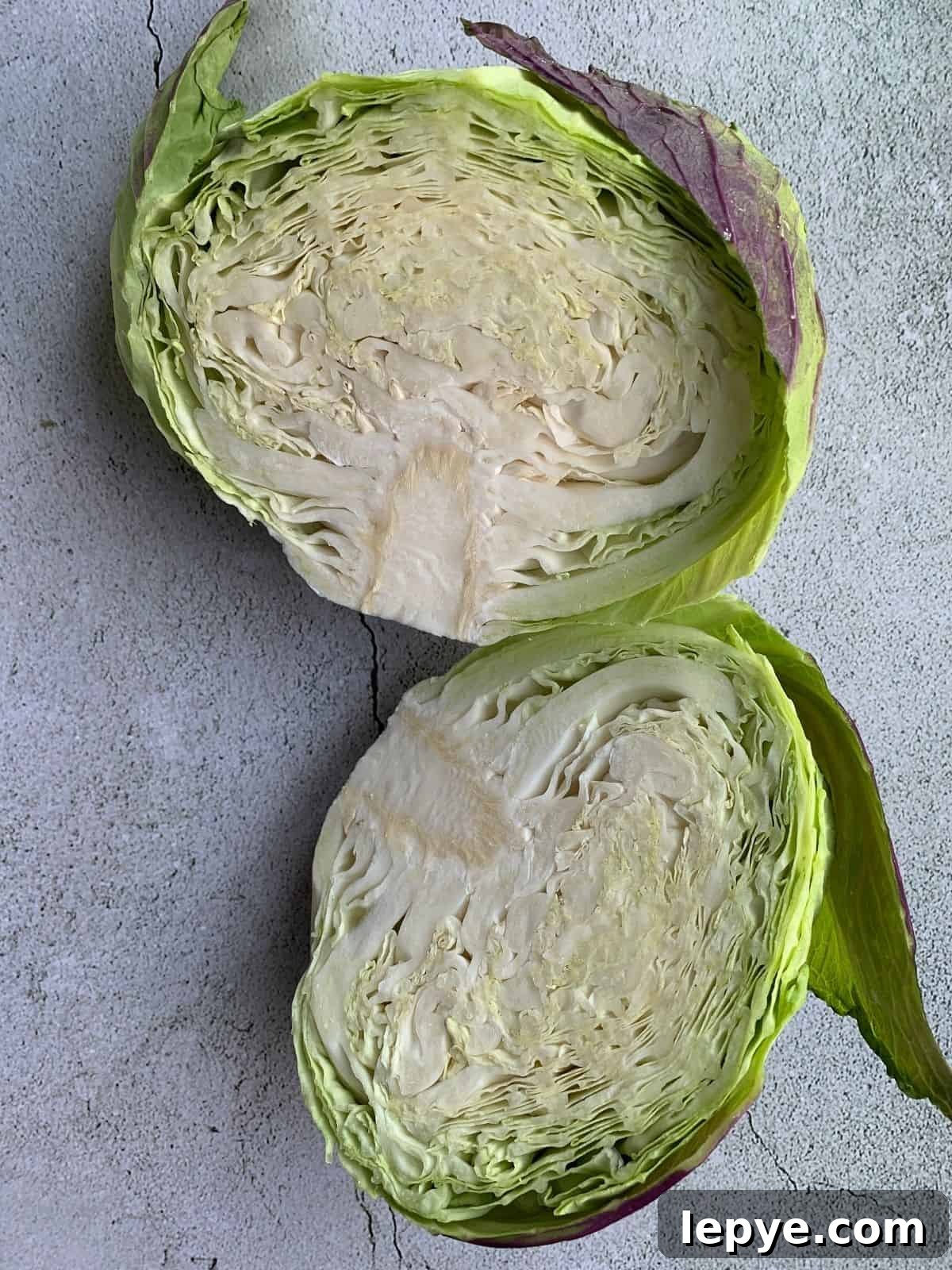
Fermentation, quick pickles, and classic coleslaws are just some of the ways to preserve and enjoy cabbage year-round. Cooked cabbage also pairs well with meats, beans, and hearty grains.
Cabbage Varieties
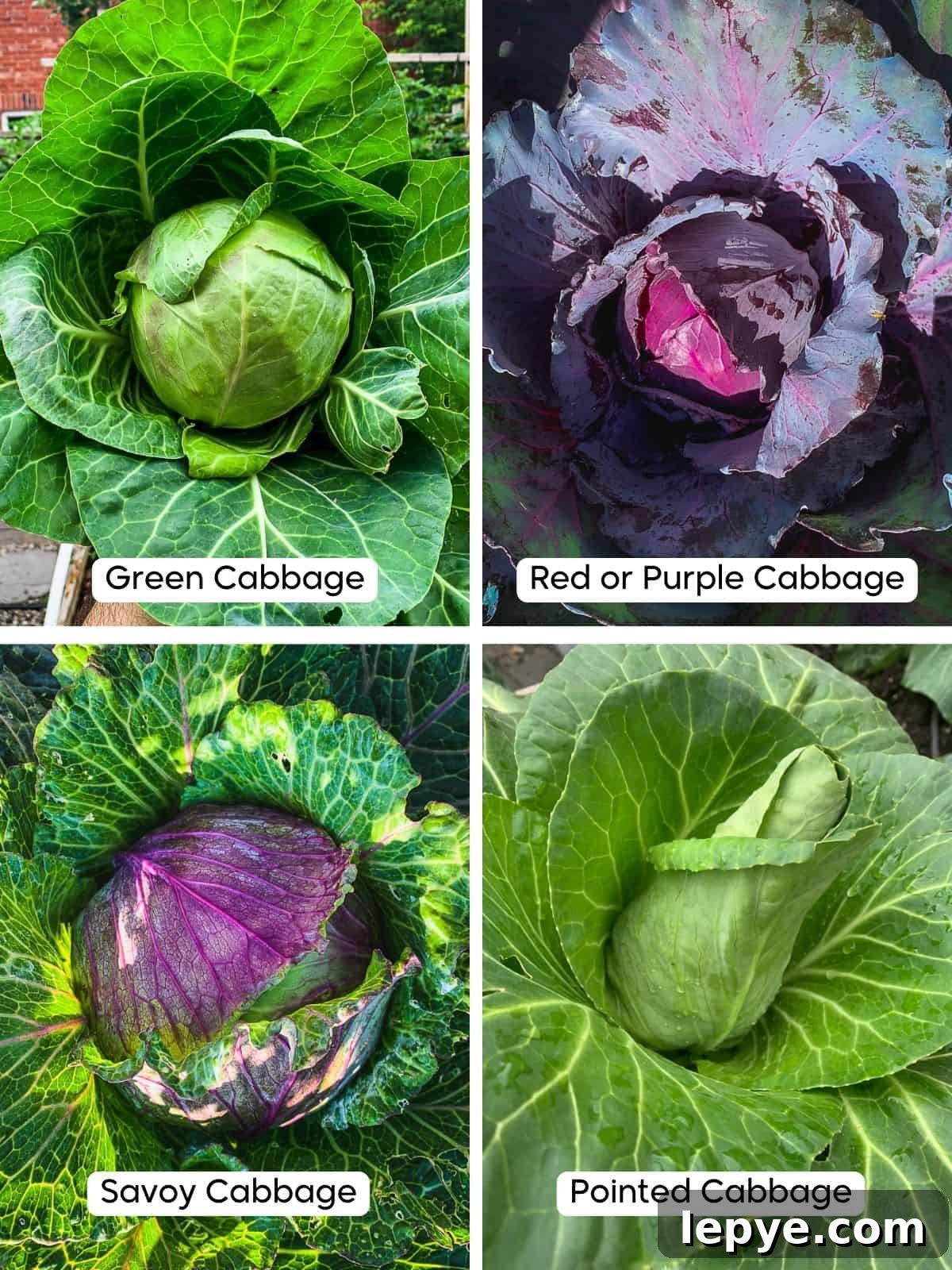
Different varieties vary in flavor, texture, and appearance. Common types include:
- Green cabbage: The most familiar type, with smooth, tightly packed leaves and a mild flavor—often used for sauerkraut.
- Red cabbage: Similar in flavor to green cabbage but with vibrant color that adds visual appeal to salads and pickles.
- Savoy cabbage: Recognizable by its crinkled, tender leaves and slightly milder taste; excellent for stuffing, soups, and stir-fries.
- Napa cabbage: Also called Chinese cabbage, it forms elongated heads with delicate, crinkly leaves—popular in Asian dishes like kimchi and stir-fries.
- Pointed cabbage: Grows in a conical shape and is often found at farmers’ markets; it can be green or red and has tender leaves.
Growing Cabbage in Small and Container Gardens
Cabbage can be grown in raised beds or containers, but it needs space—typically about 1.5 to 4 square feet per head depending on the variety. Choose compact varieties like Tiara, Katarina, or Pixie for smaller spaces.
For container growing, use a large pot (five gallons or more), rich soil, and regular feeding. Consistent watering is essential. Nutrient-dense potting mix and periodic fertilization help support head development.
When selecting a variety for a small garden, check the mature size on the seed packet so you can plan spacing appropriately.
When to Plant
Cabbage prefers cool weather and grows best in spring and fall (and winter in mild climates). Start seeds indoors 6–8 weeks before your last frost for a spring crop, then harden off and transplant when conditions permit. For a fall crop, start seeds in midsummer and transplant as temperatures cool.
Avoid prolonged exposure to temperatures below about 40–45°F during early growth, as this can stunt plants or cause bolting. Harvest before the summer heat to prevent premature bolting. Staggering varieties with different days to maturity helps extend the harvest period.
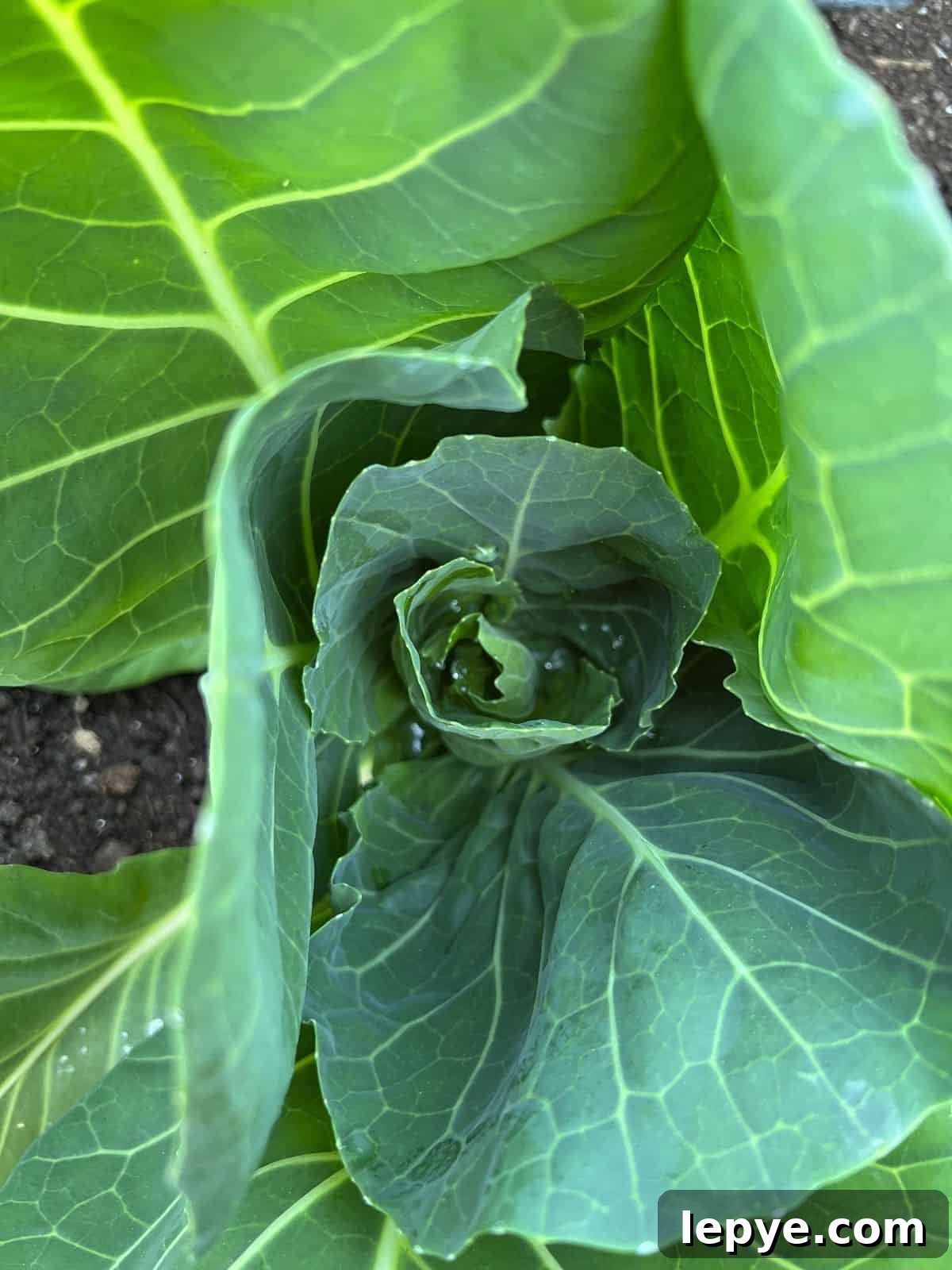
How to Plant
Start cabbage from seed indoors or buy healthy transplants. Direct sowing is less reliable for consistent head formation.
Starting Cabbage from Seed: Tips
- Temperature: Germinate seeds in evenly moist soil at 65–75°F (18–24°C).
- Depth: Sow seeds about 1/4 inch deep and lightly cover.
- Moisture: Keep soil consistently moist but not waterlogged; a humidity dome can help until germination.
- Light: Provide 16 hours of grow-light exposure daily once seedlings emerge, keeping lights close to prevent legginess.
- Thinning: Remove weaker seedlings so the strongest can develop.
- Fertilize: Feed with a balanced fertilizer at half strength after the first true leaves appear.
- Harden off: Gradually acclimate seedlings outdoors for about a week before transplanting.
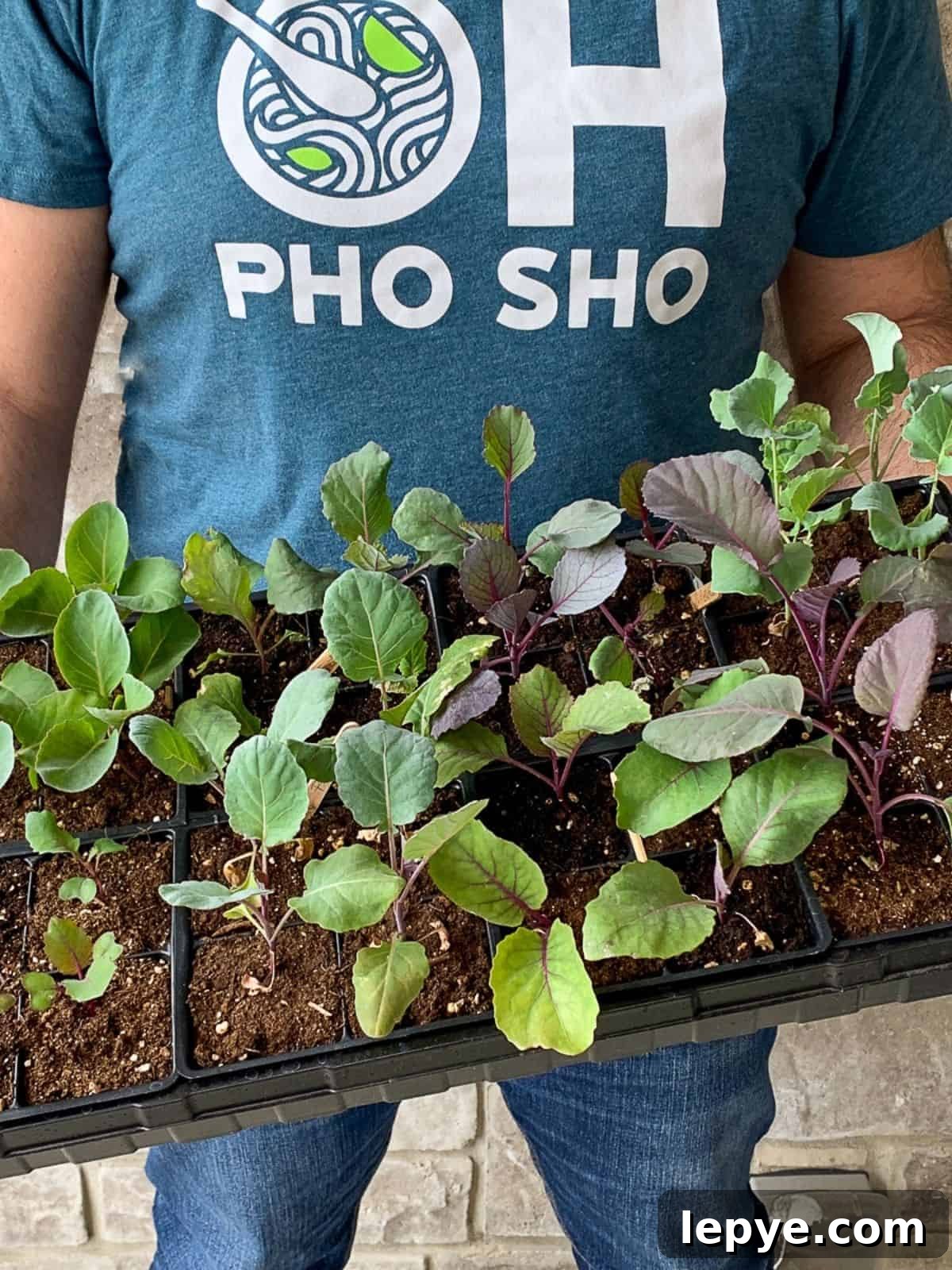
Choosing Market Seedlings
When buying transplants, check days to maturity and planting windows—store-bought seedlings can be sold out of season and may bolt if planted too late. Loosen root balls before planting to prevent rootbound issues.
Spacing: Spacing varies by variety; a general guideline is about 2 feet apart for standard types and 1 foot for smaller varieties. Always check seed packet recommendations.
Maintenance
- Fertilizing: Cabbage are heavy feeders. Mix compost and a balanced slow-release fertilizer into the planting soil and side-dress with compost or liquid feed during the season.
- Sun: Full sun is best for vigorous growth.
- Soil: Use rich, well-draining soil; mulch in warmer climates to moderate soil temperatures.
- Water: Maintain consistent moisture—overwatering near harvest can cause splitting, so monitor soil moisture.
Common Pests and Diseases
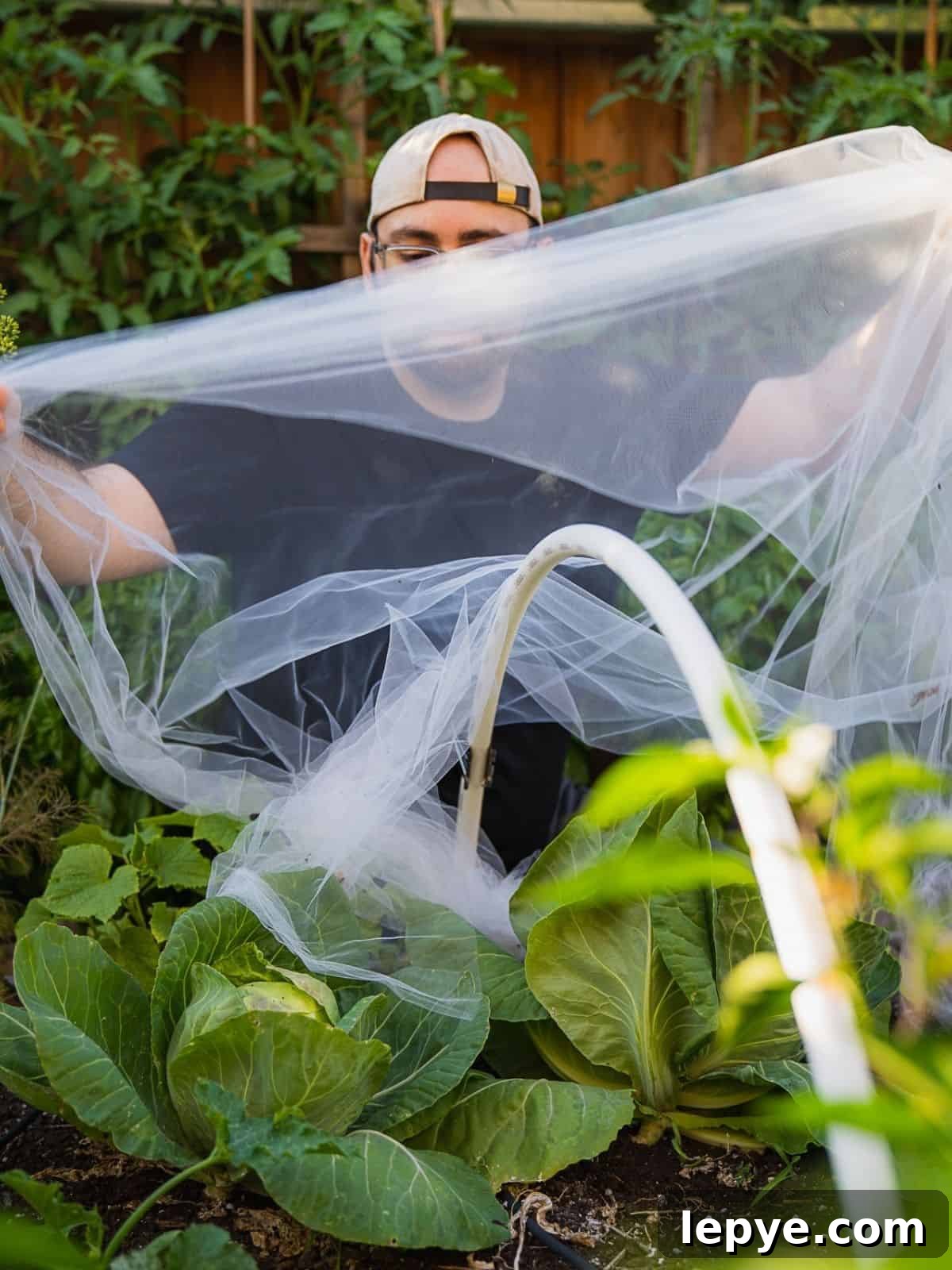
Cabbage can be attacked by pests such as cabbage moths (whose larvae feed on leaves), aphids, and slugs. Prevention is the best defense: use floating row covers to keep moths off plants, spray aphids off with water, and use beer traps or other slug controls. Regular inspection and hand removal of eggs or larvae helps.
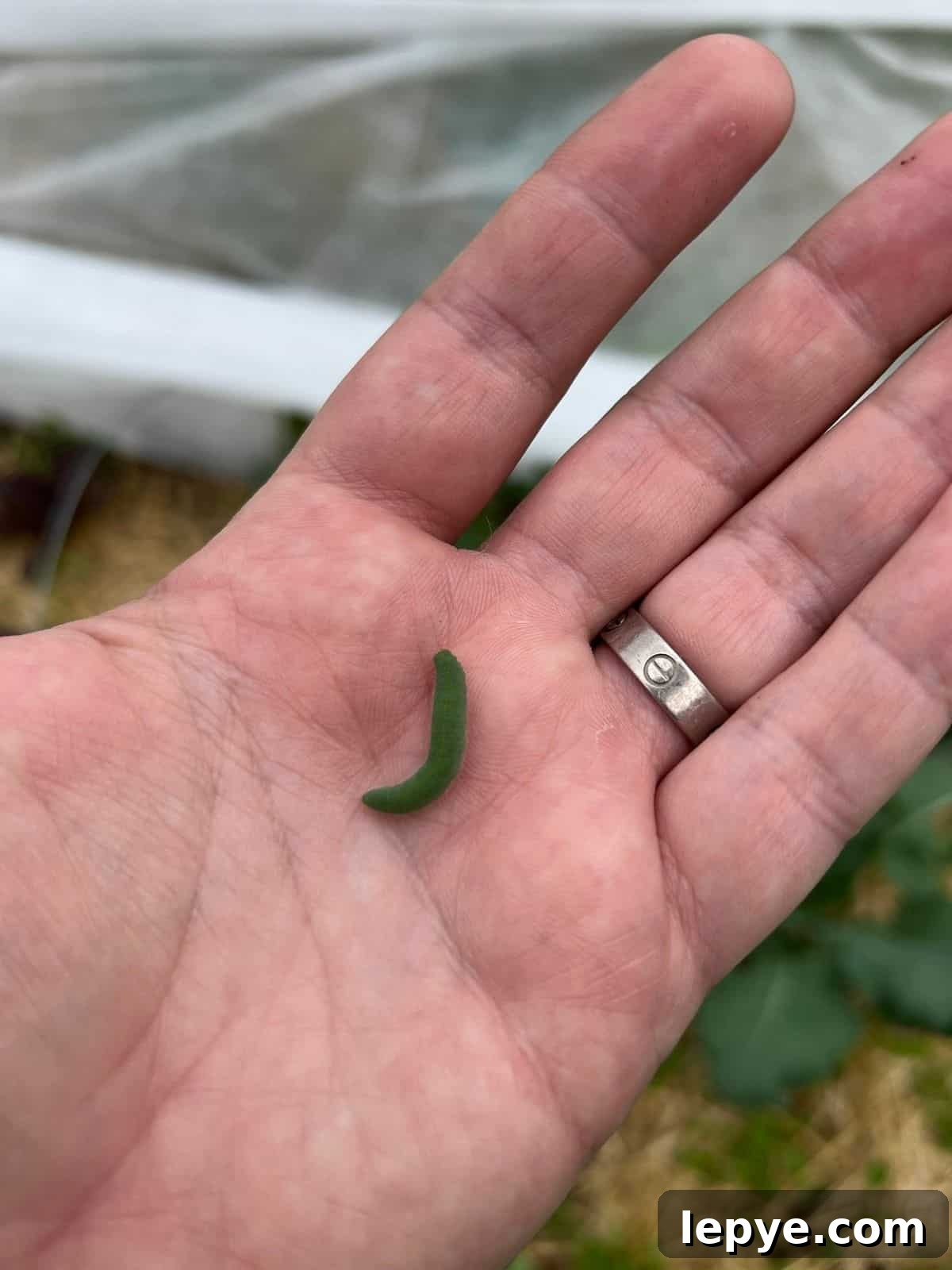
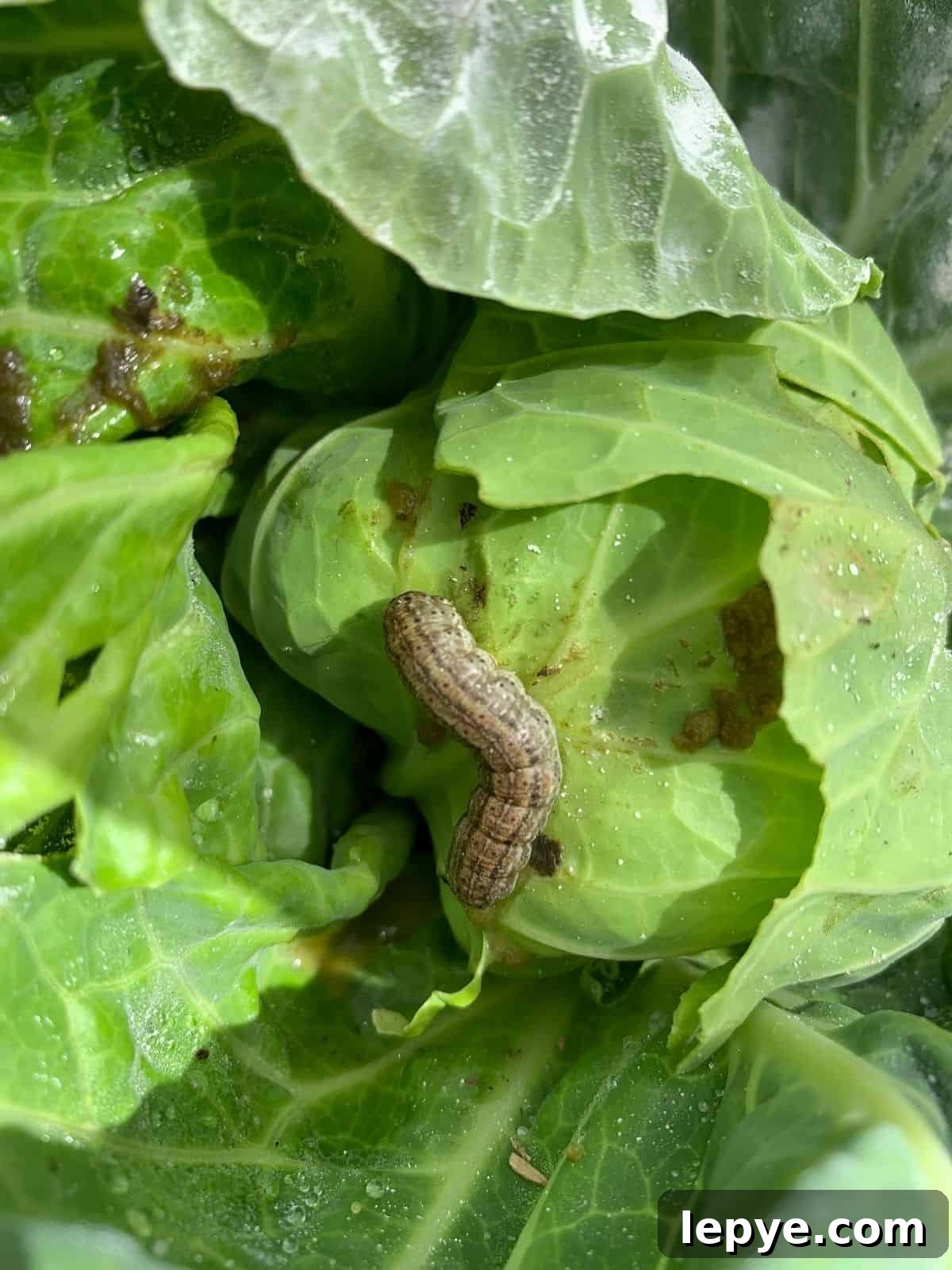
Fungal and bacterial diseases—such as black rot, clubroot, downy mildew, and powdery mildew—can also affect cabbage. Prevent these by providing proper spacing, good soil with compost, and practicing crop rotation.
When to Harvest
Harvest time depends on variety: some mature in about two months, others in four. Harvest when heads are firm and dense. Leaving a head too long risks splitting—if heavy rain is expected, harvest a bit early to avoid damage.
Storing Fresh Cabbage
Properly stored cabbage can keep for up to two months or longer. After harvest, remove only damaged outer leaves, do not wash or cut the head, and store it in the refrigerator’s crisper drawer. Wrapping in plastic or placing it in a plastic bag helps retain moisture. For longer storage, a cool root cellar is ideal. Varieties bred for storage—such as Storage #4, Ruby Perfection, or Brunswick—can last even longer.
Cabbage Recipes to Try

Preservation
Red Cabbage Sauerkraut (Simple Fermented Cabbage)
Preservation
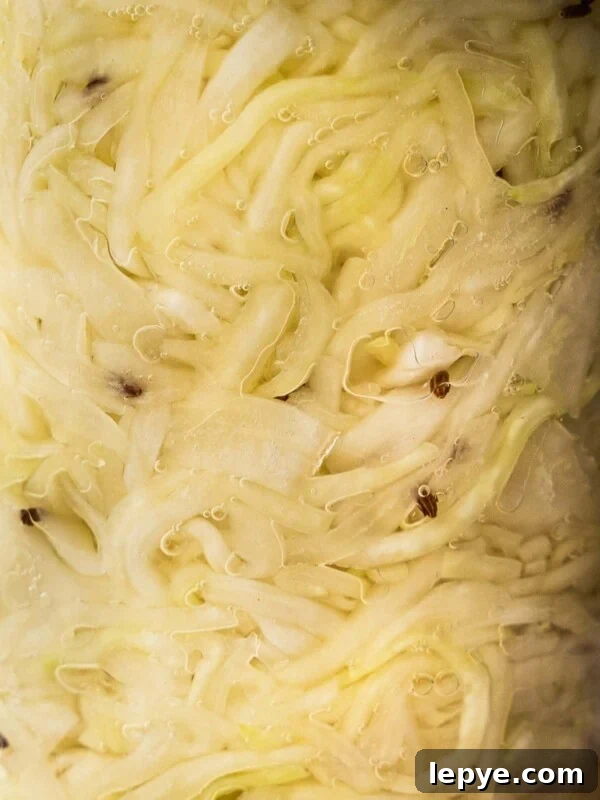
How to Make Sauerkraut (Lacto Fermented Cabbage)
Appetizers
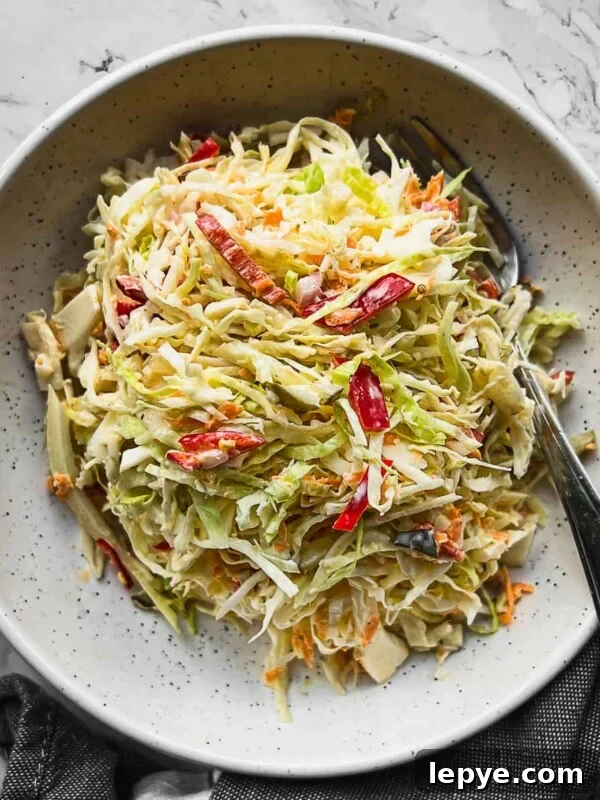
Dolly Parton’s Coleslaw Recipe
Appetizers
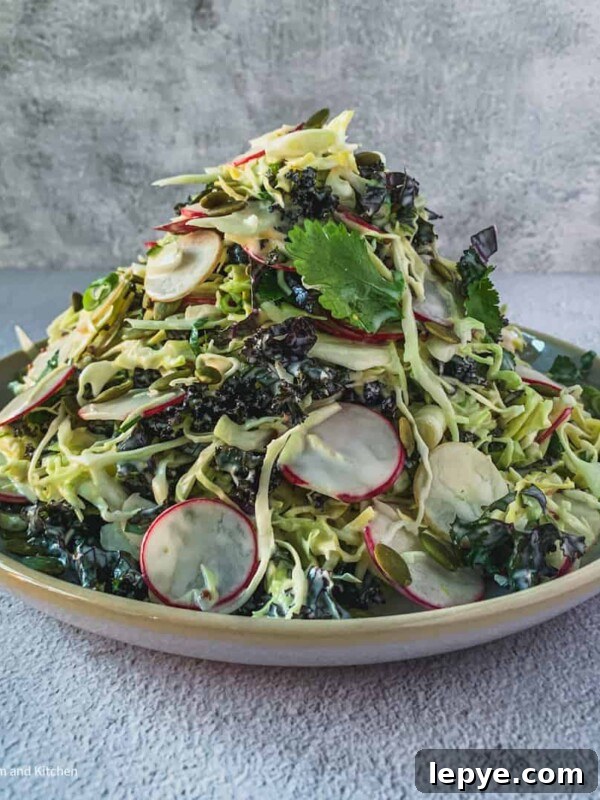
Creamy Garden Coleslaw with Kale and Radish
If you enjoyed this guide, explore other grow guides on summer and kitchen crops. Feel free to leave a comment with questions or to share your experiences—it helps other gardeners and cooks.
For more updates and recipes, follow the author’s social channels or subscribe to the newsletter through the original site.