When you first try baking gluten-free, it’s tempting to simply swap wheat flour for cassava flour or almond flour. But when cookies turn out greasy or dense, or bread crumbles, it’s clear something else is at play.
Not all gluten-free flours behave the same. Cassava flour and almond flour perform very differently in the oven. One absorbs liquid and mimics wheat flour fairly well; the other is rich and moist thanks to natural fats and protein and cannot be used as a straight replacement for wheat.
Choosing between them isn’t just a matter of preference. It depends on what you’re baking, your dietary needs, and the texture you want. Understanding their differences will save time, money, and kitchen frustration.
This guide explains everything you need to know about cassava flour vs almond flour: their differences, nutritional profiles, baking behavior, and substitution tips that actually work. By the end you’ll know which flour to reach for so your recipes succeed consistently.
Cassava Flour vs Almond Flour: Quick Comparison
If you want the short version: cassava flour and almond flour are not interchangeable. Picking the wrong one can change texture, structure, and moisture dramatically.
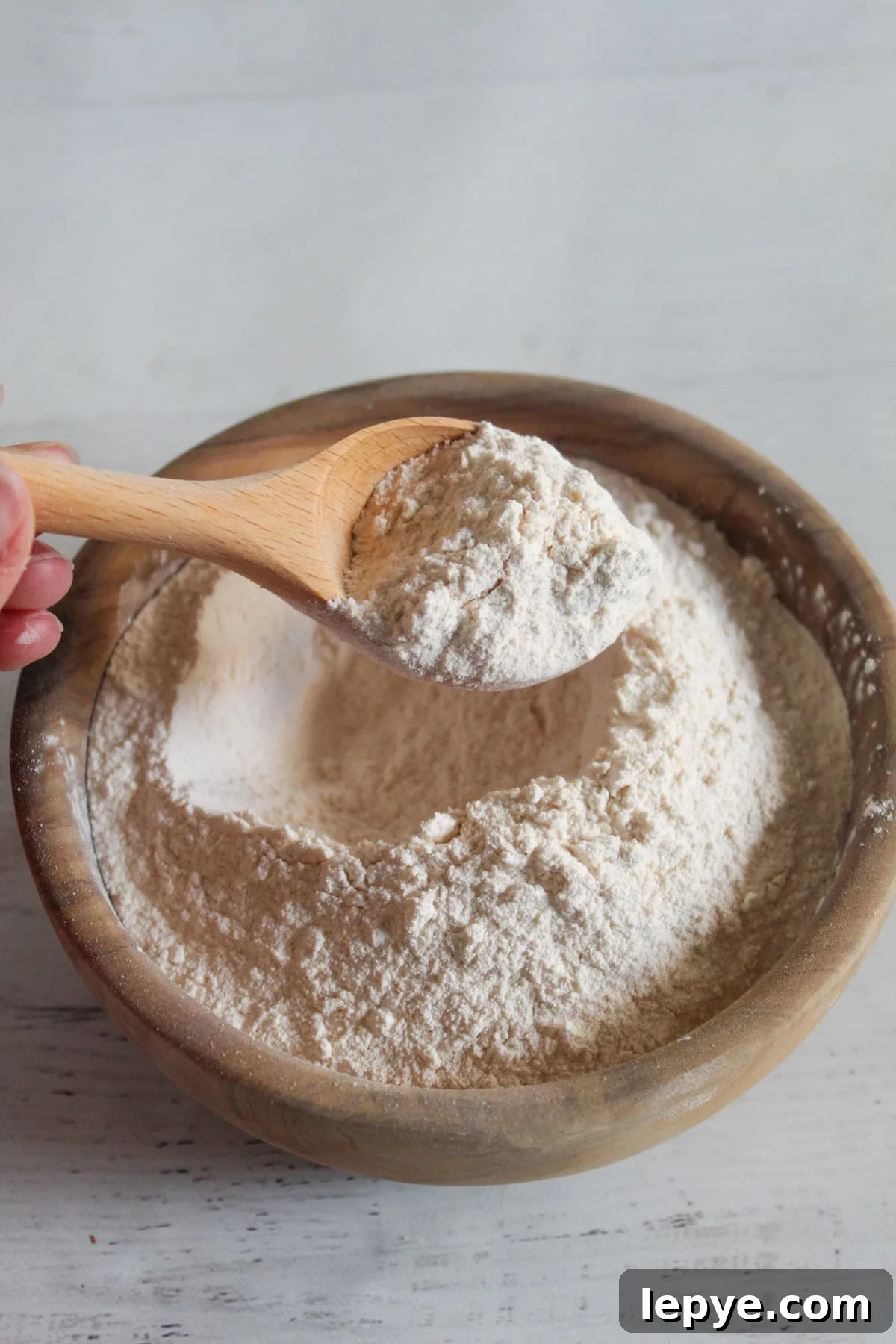
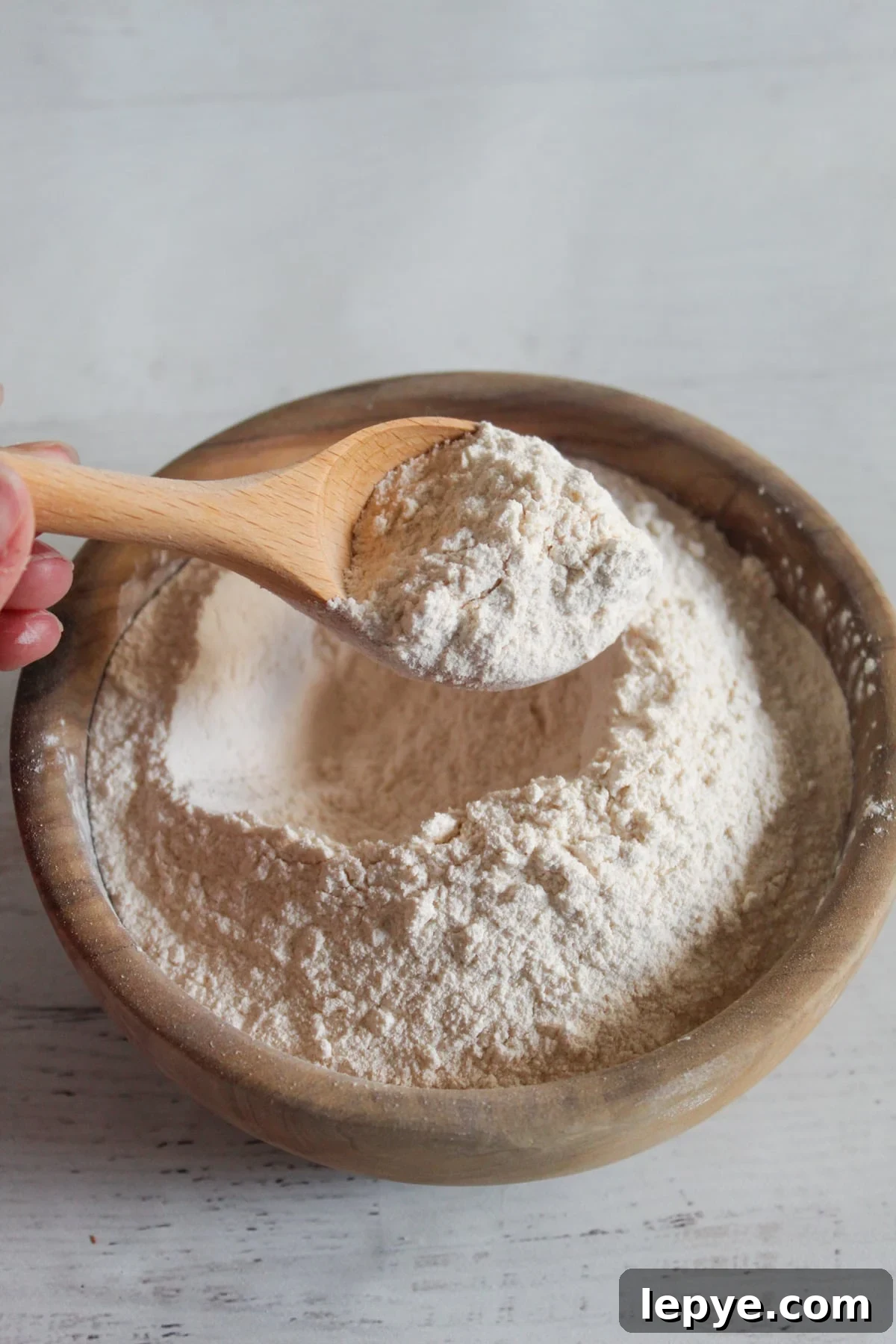
Cassava flour comes from the whole cassava root and has a texture and behavior similar to wheat flour. It has a neutral flavor, absorbs liquid well, and works best in recipes that need elasticity and structure—tortillas, flatbreads, and soft baked goods. It’s often the closest gluten-free substitute for all-purpose flour.
Almond flour is finely ground blanched almonds. It’s high in healthy fats and protein, producing moist, dense baked goods. It excels in cookies, cakes, and keto-friendly desserts but can weigh down recipes if used incorrectly.
The main differences:
- Texture: cassava is light and flour-like; almond is dense and moist.
- Nutrition: cassava is carb-heavy; almond is high-fat and lower-carb.
- Diet fit: cassava suits paleo and nut-free diets; almond suits keto and low-carb diets.
- Substitution: cassava can sometimes be swapped 1:1; almond rarely works as a 1:1 substitute.
For bread-like or delicate bakes, cassava typically performs better. For richness, moisture, or low-carb recipes, almond flour is the better choice.
What is Cassava Flour?
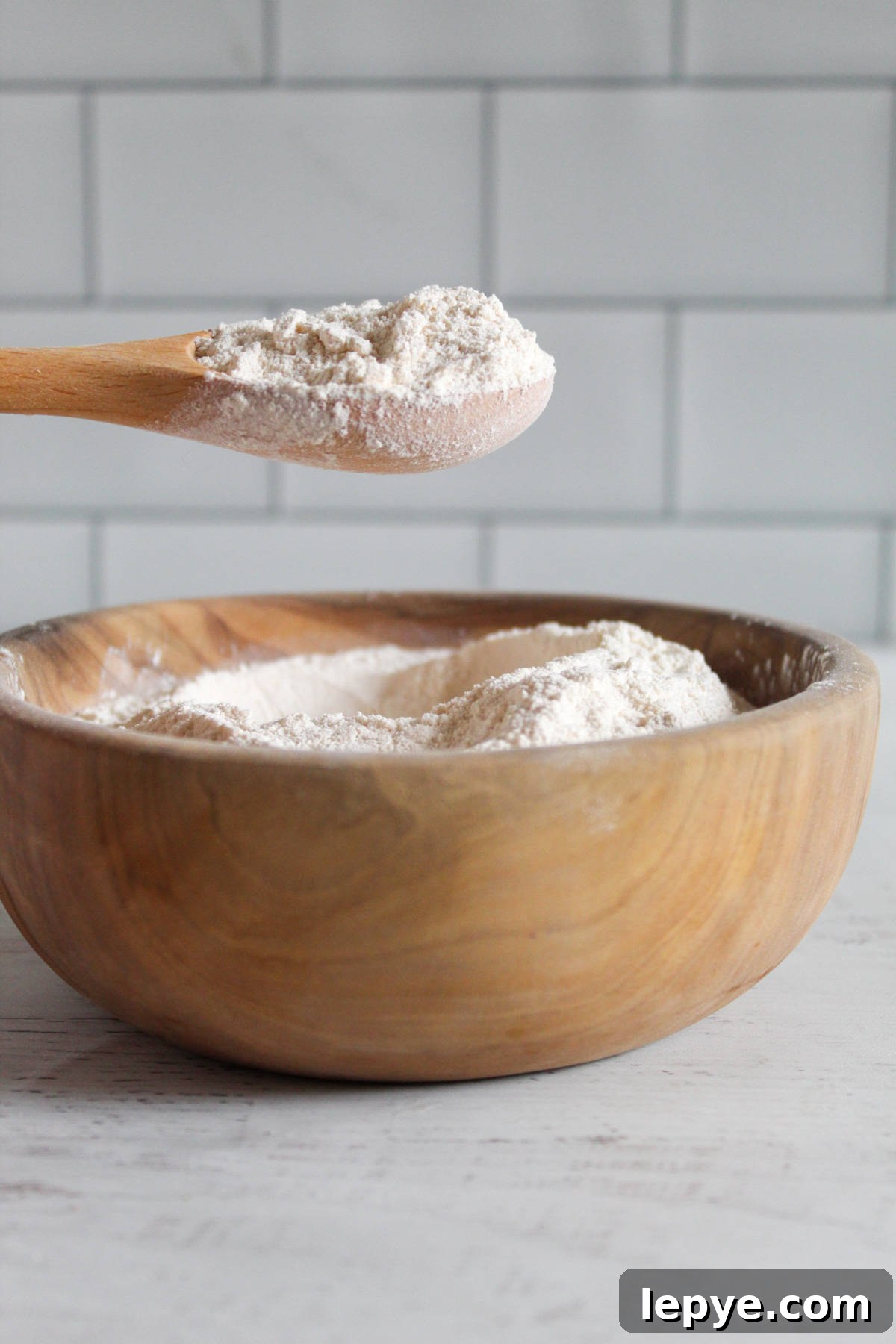
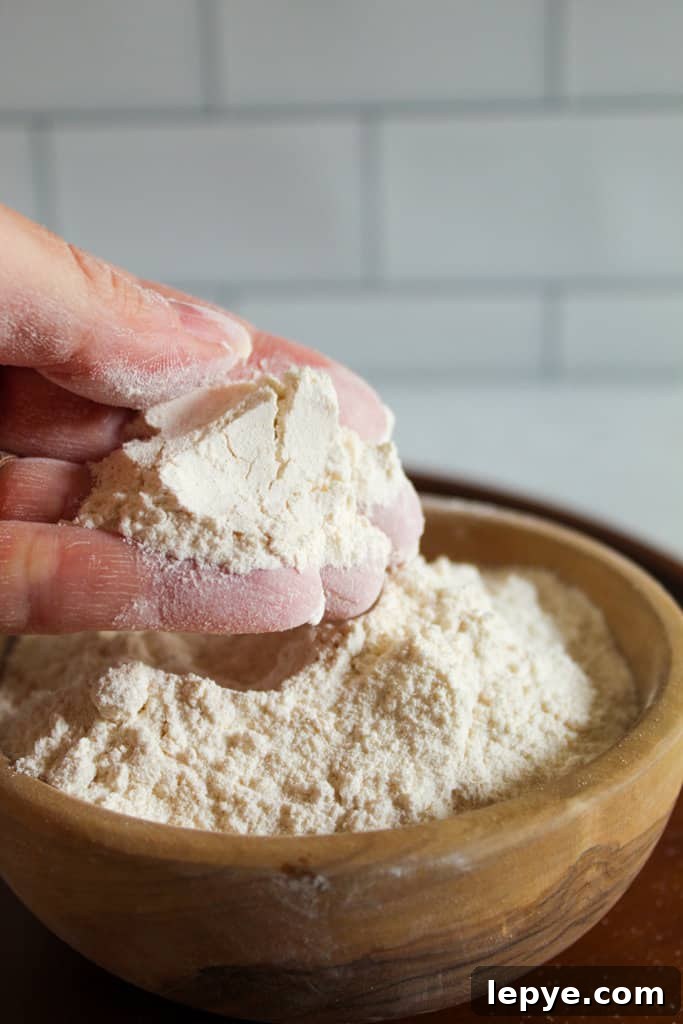
Cassava flour is made from the whole cassava root, a starchy tuber used widely around the world. Because the whole root is used, cassava flour contains fiber and behaves more like traditional flour in texture and function.
It has a soft, powdery consistency and a mild flavor, making it versatile for pancakes, muffins, tortillas, and breads. Cassava flour is naturally grain-free, gluten-free, and nut-free, which makes it a strong option for people with multiple dietary restrictions or for paleo diets.
Drawbacks include a high carbohydrate content, which can affect blood sugar, and a strong ability to absorb liquid—recipes may need moisture adjustments to avoid dryness or density.
Overall, cassava flour is a reliable wheat-flour replacement when you want similar structure without gluten.
What is Almond Flour?
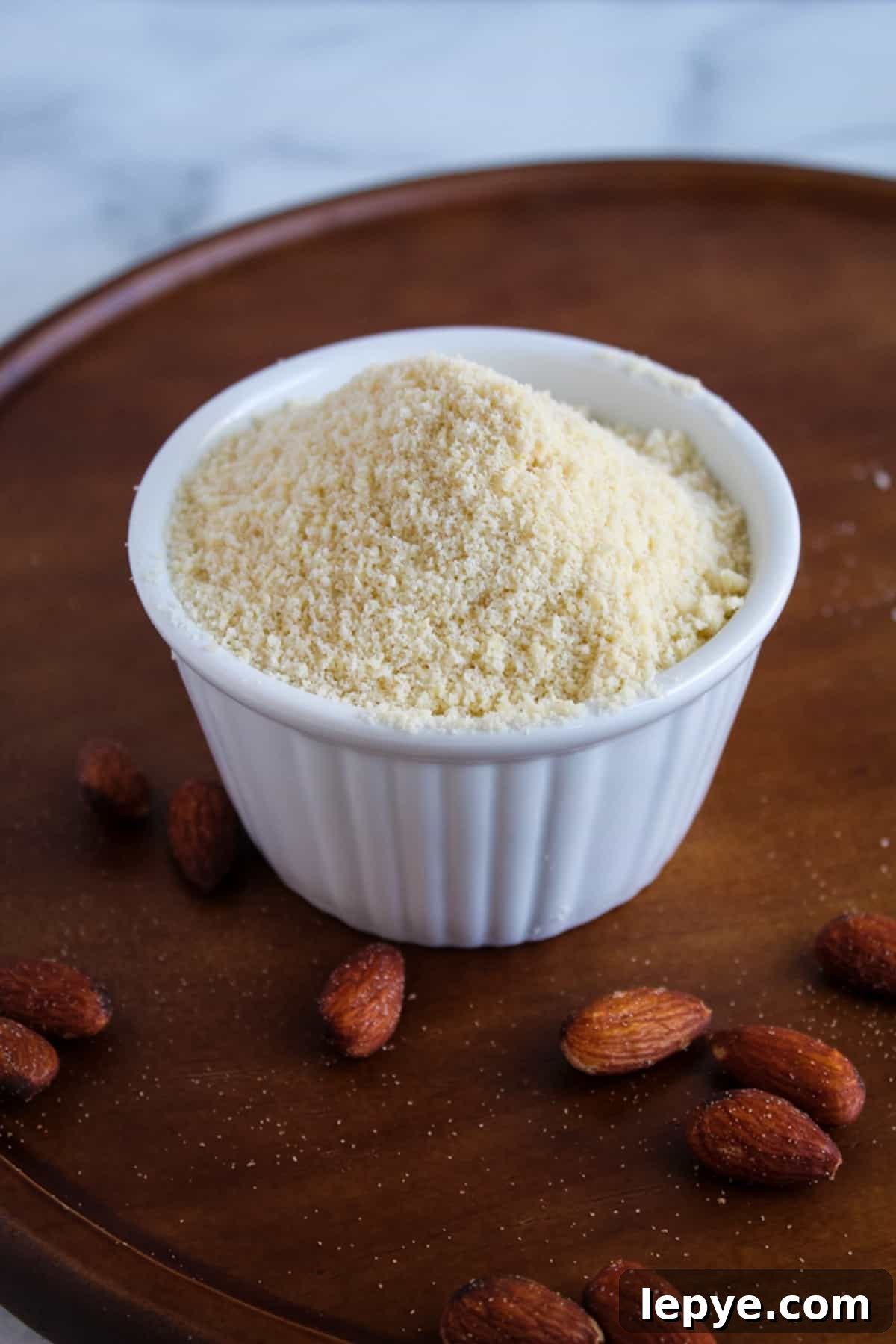
Almond flour is made by grinding blanched almonds into a fine, soft powder. Because the skins are removed, it’s lighter and smoother than almond meal, which is coarser.
Almond flour is rich in healthy fats, protein, fiber, and vitamin E, while being low in carbohydrates. Its slightly sweet, nutty taste enhances cookies, cakes, and muffins, and the fat content adds moisture to baked goods.
However, almond flour behaves differently from wheat flour: it doesn’t absorb liquid the same way, lacks strong binding properties, and can produce dense or crumbly results without additional binders like eggs, psyllium, or gum. It’s not suitable for nut-allergic diets and tends to be pricier.
Key Differences Explained
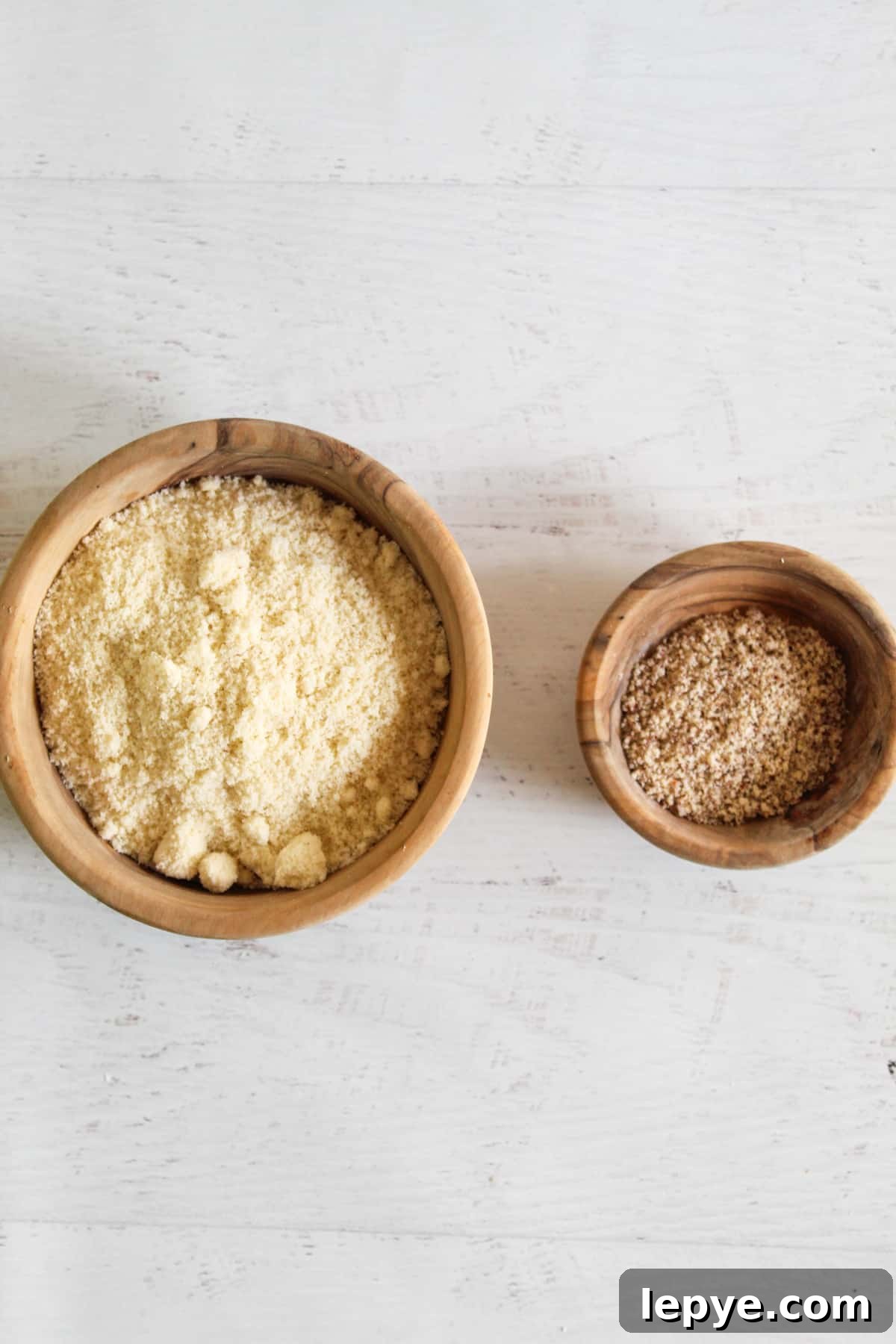
Although both are gluten-free, cassava and almond flours differ in composition and baking behavior. Cassava is mostly starch, providing structure and elasticity similar to wheat. Almond flour is high in fat and protein, producing tender, moist bakes but offering less structure.
Nutrition
Cassava flour is high in carbohydrates and low in fat and protein, making it a quick energy source but less suited to low-carb diets. Almond flour is higher in healthy fats, protein, and fiber and is much lower in carbs, which is why it’s favored for keto and low-carb eating.
Approximate values for a 1/4 cup serving:
- Cassava flour: ~130 calories, 0g fat, 31g carbs, 2g fiber, 0g protein.
- Almond flour: ~170 calories, 15g fat, 5g carbs, 3g fiber, 6g protein.
Texture & Taste
Cassava creates a light, soft texture with a very mild flavor, so it won’t mask other ingredients. Almond flour yields denser, moister results with a subtle nutty sweetness, enhancing desserts and richer baked goods.
Baking Performance
Cassava behaves similarly to wheat flour and provides structure, but it absorbs a lot of liquid so recipes may need extra moisture. Almond flour lacks structural binding and often requires eggs or other binders to hold baked goods together.
Use cassava for structured items like breads and muffins. Use almond flour for cookies, cakes, and low-carb desserts where richness and moisture are desired.
Diet Compatibility
Both flours are gluten-free and can be paleo-friendly. Cassava is nut-free and better for those avoiding nuts, while almond flour is suitable for keto and low-carb diets but not for people with nut allergies.
Cost & Availability
Cassava flour is generally more affordable and widely available. Almond flour tends to be more expensive due to almond production costs, though prices vary by brand and quality.
Which Flour Should You Use?
Both flours can produce excellent gluten-free bakes, but the right choice depends on the recipe and your goals.
Cassava feels more like wheat flour and can often replace it—start by using about 3/4 cup cassava flour for every 1 cup of wheat flour and add moisture as needed. It’s ideal for breads, tortillas, and recipes where structure matters.
Almond flour works well in recipes written for it: cookies, muffins, and many low-carb desserts. It provides moisture and a nutty flavor but usually needs extra binders or blending with other flours to achieve lighter textures.
Best Substitutes for Each Flour
If you don’t have one of these flours, alternatives include:
For cassava flour:
- Tapioca flour
- Rice flour
- Gluten-free flour blends
For almond flour:
- Oat flour
- Sunflower seed flour
- Chickpea flour
Cassava Flour vs Almond Flour FAQs
Below are answers to common questions. If you have more, leave a comment to share your experience.
Can I Replace Cassava Flour with Almond Flour?
Sometimes, but not reliably. Almond flour’s high fat content changes texture and moisture, so many cassava-based recipes won’t work with almond flour. It’s better to find recipes formulated for the flour you have.
Can I Mix Cassava Flour With Almond Flour?
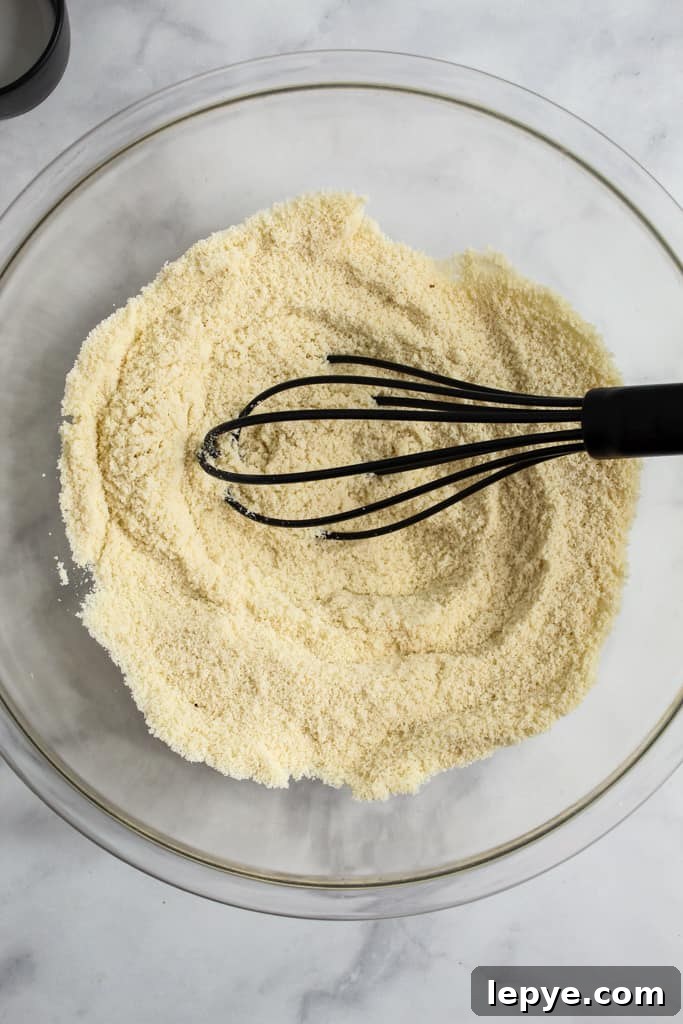
Yes. Blending the two can balance structure and moisture. Follow recipes that specify ratios or experiment in small batches until you find the texture you like.
Which is Better For Baking Bread?
Cassava flour is usually the better choice for bread because it provides more structure and elasticity. Start with about 3/4 cup cassava per 1 cup wheat flour and adjust moisture as needed.
Which is Healthier?
“Healthier” depends on your goals. Cassava is low in fat and protein but high in carbs. Almond flour is high in healthy fats and protein and low in carbs. Choose based on your dietary needs.
Key Takeaways: Comparing Flours
Cassava flour and almond flour are both valuable gluten-free options but serve different purposes. Choose cassava when you need something that behaves like wheat flour and provides structure. Choose almond flour when you want richness, moisture, and a low-carb profile.
The best way to learn is by trying recipes tailored to each flour and noting how they mix, bake, and taste. With practice, you’ll move from following recipes to mastering gluten-free baking.
Recipes Using Cassava Flour
Try these recipes to see how cassava can mimic wheat flour in many bakes:
- Cassava Flour Pancakes
- Chocolate Chip Cookies using cassava flour
- Cassava Flour Tortillas
- Savory Cassava Bread
Recipes Using Almond Flour
Almond flour makes moist, flavorful bakes like:
- Almond Flour Coffee Cake
- Almond Flour Banana Muffins
- Almond Flour Chocolate Cupcakes
- Almond Flour Crepes
Leave Us a Comment
If this guide helped, leave a comment about what worked for you so other bakers can learn from your experience.