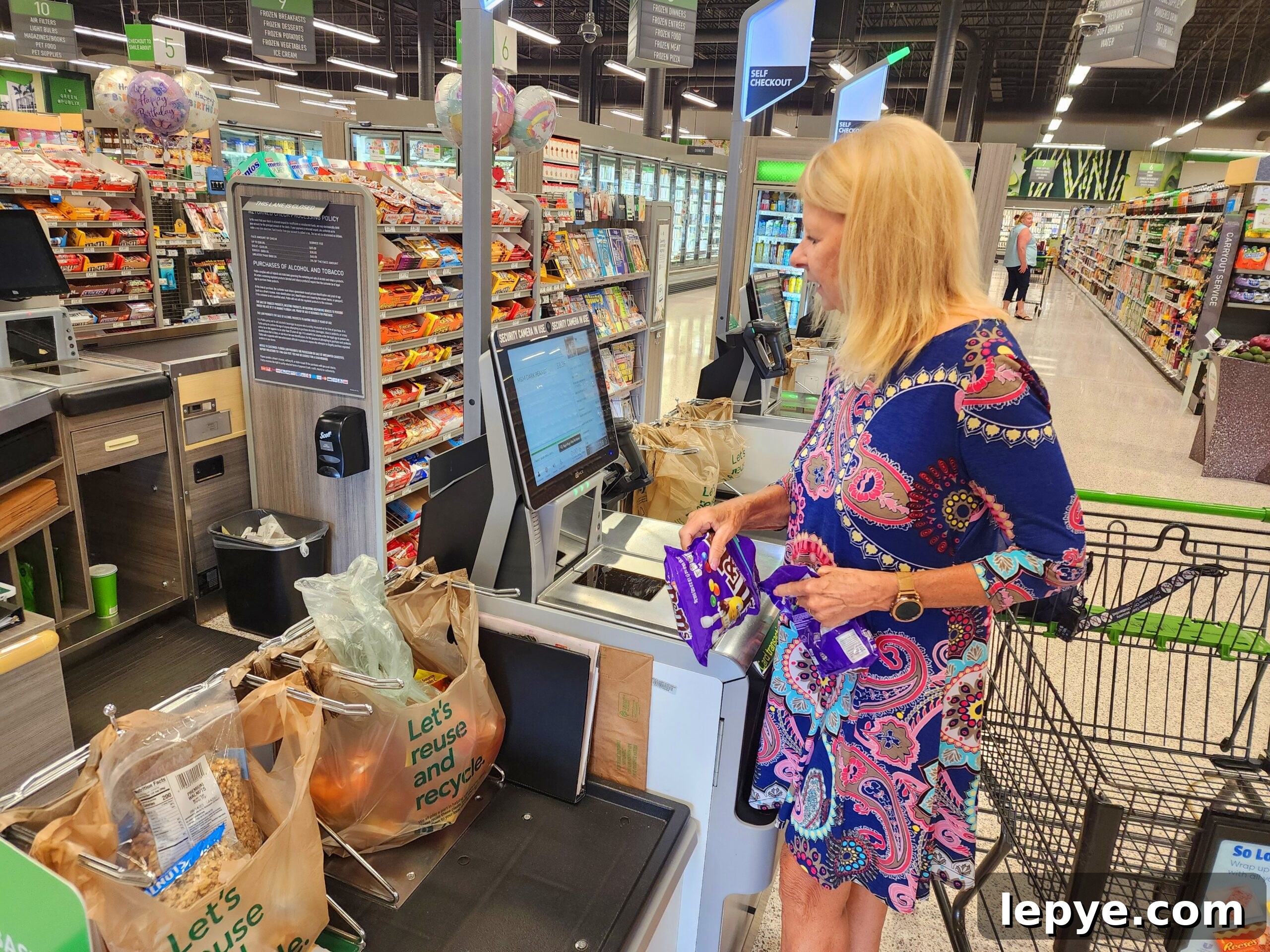
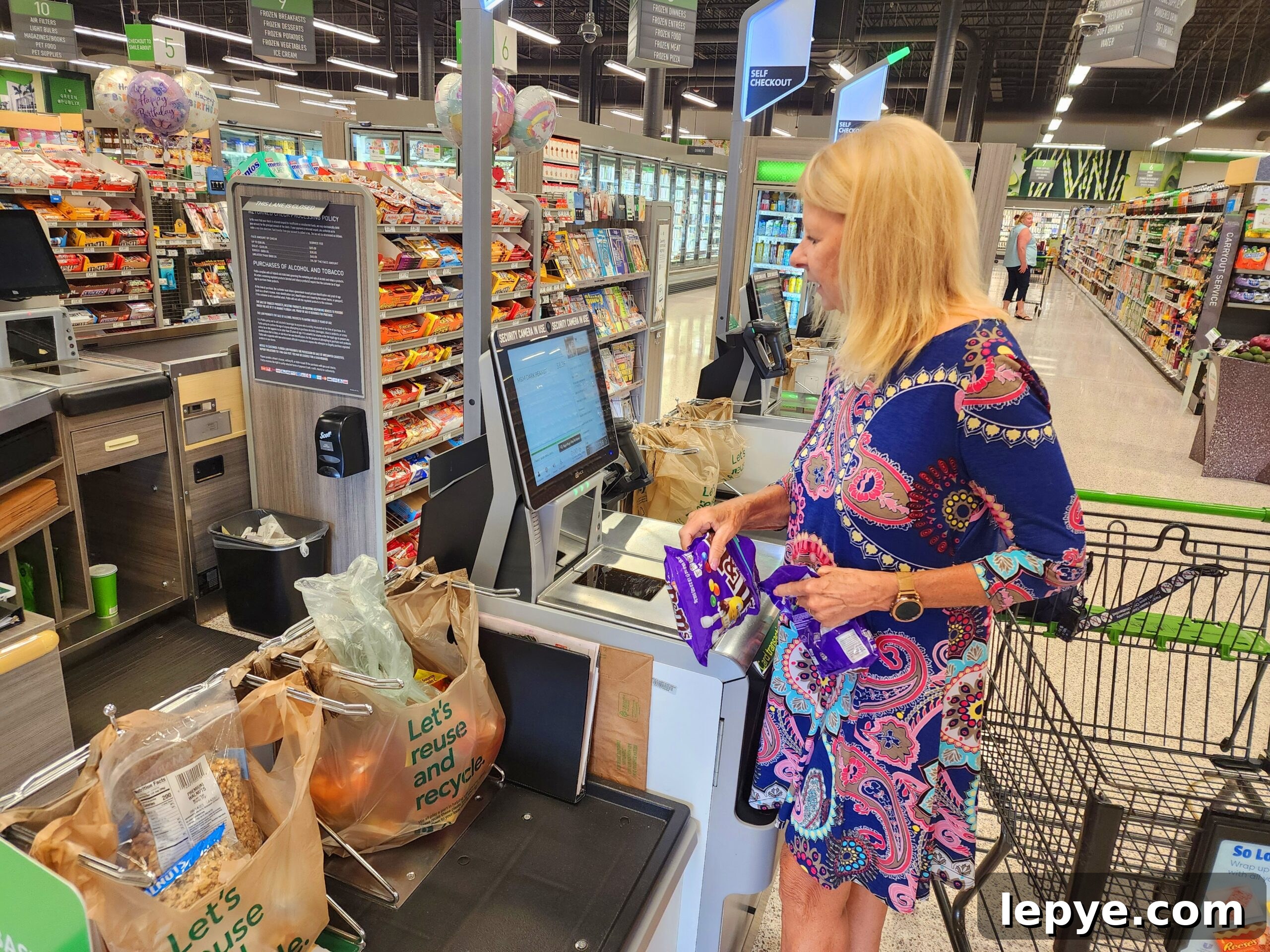
The Costa Mesa City Council has approved a pioneering local ordinance to regulate self-checkout lanes at supermarkets and drugstores, aiming to address rising retail theft and reshape grocery operations. The measure, which goes into effect on April 18, 2026, introduces specific staffing requirements, item limits for self-checkout users, and a tiered system of daily fines for non-compliance.
What the ordinance requires
Under the new “Safe Stores are Staffed Stores” law, retailers that use self-service checkout kiosks must designate at least one employee to monitor every three automated stations. Retailers are also required to keep at least one traditional, cashier-staffed lane open before any self-checkout stations can be activated. In addition, customers using self-checkout will be limited to purchasing no more than 15 items at these unmanned machines.
The ordinance mirrors similar actions taken elsewhere; for example, Long Beach, California, adopted comparable regulations last year as cities respond to concerns about theft and the changing nature of store staffing.
A system of fines
To encourage compliance while providing retailers time to adjust, the ordinance establishes a correction period and escalating penalties. Retailers who fail to meet staffing or operational requirements will receive notice and have 15 days to remedy violations. If a store does not correct the issue within that window, fines begin at $100 per day for each missing attendant and can escalate up to $1,000 per day per store if violations persist. City officials say the enforcement structure is designed to balance fairness with an incentive to comply quickly.
Goals and support
City leaders and labor advocates say the rules are intended to reduce theft opportunities, improve customer service, and relieve workers who are currently required to oversee multiple self-checkout kiosks at once. Supporters, including representatives of retail labor groups, argue the ordinance addresses long-standing complaints from store employees about staffing shortages and the stress of monitoring numerous unmanned lanes.
Concerns from businesses
Some business groups and retailers have pushed back, arguing the regulation could raise operational costs, increase wait times at staffed lanes, and make the city a less attractive location for investment in automated retail technology. Critics also contend the ordinance may overreach by imposing detailed rules on private-sector technology decisions and worry about its impact on retailers’ flexibility to modernize checkout processes.
The debate in Costa Mesa reflects a broader conversation across California and the U.S. about balancing theft prevention, worker protections, customer convenience, and the adoption of self-service technology in retail environments. As the ordinance takes effect, stakeholders on all sides will be watching how the rules affect store operations, theft rates, customer experience, and labor dynamics in the region.