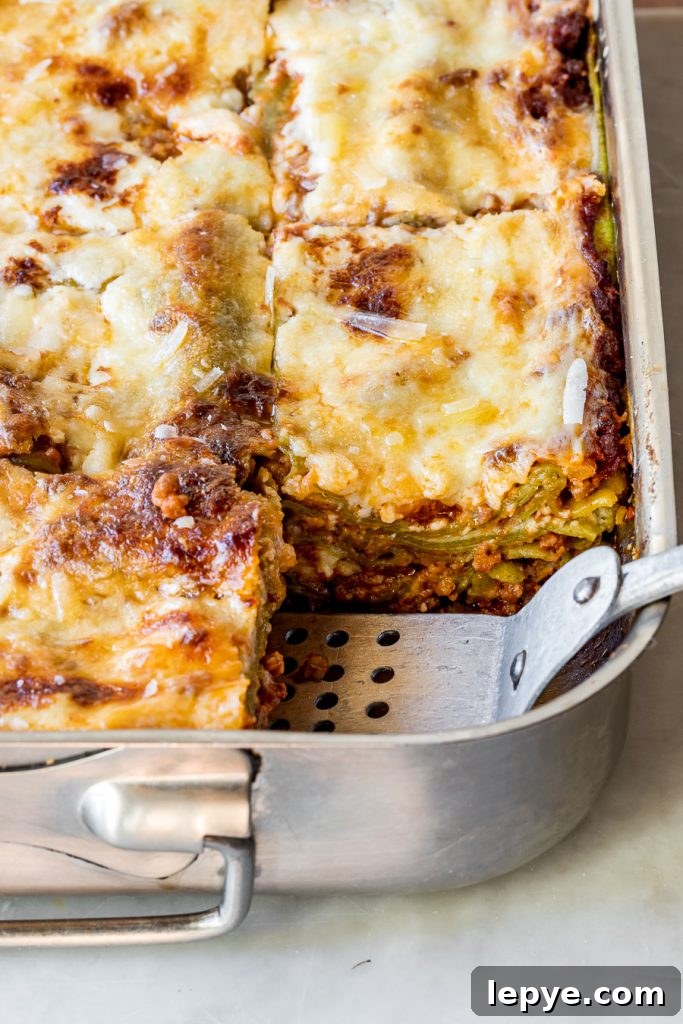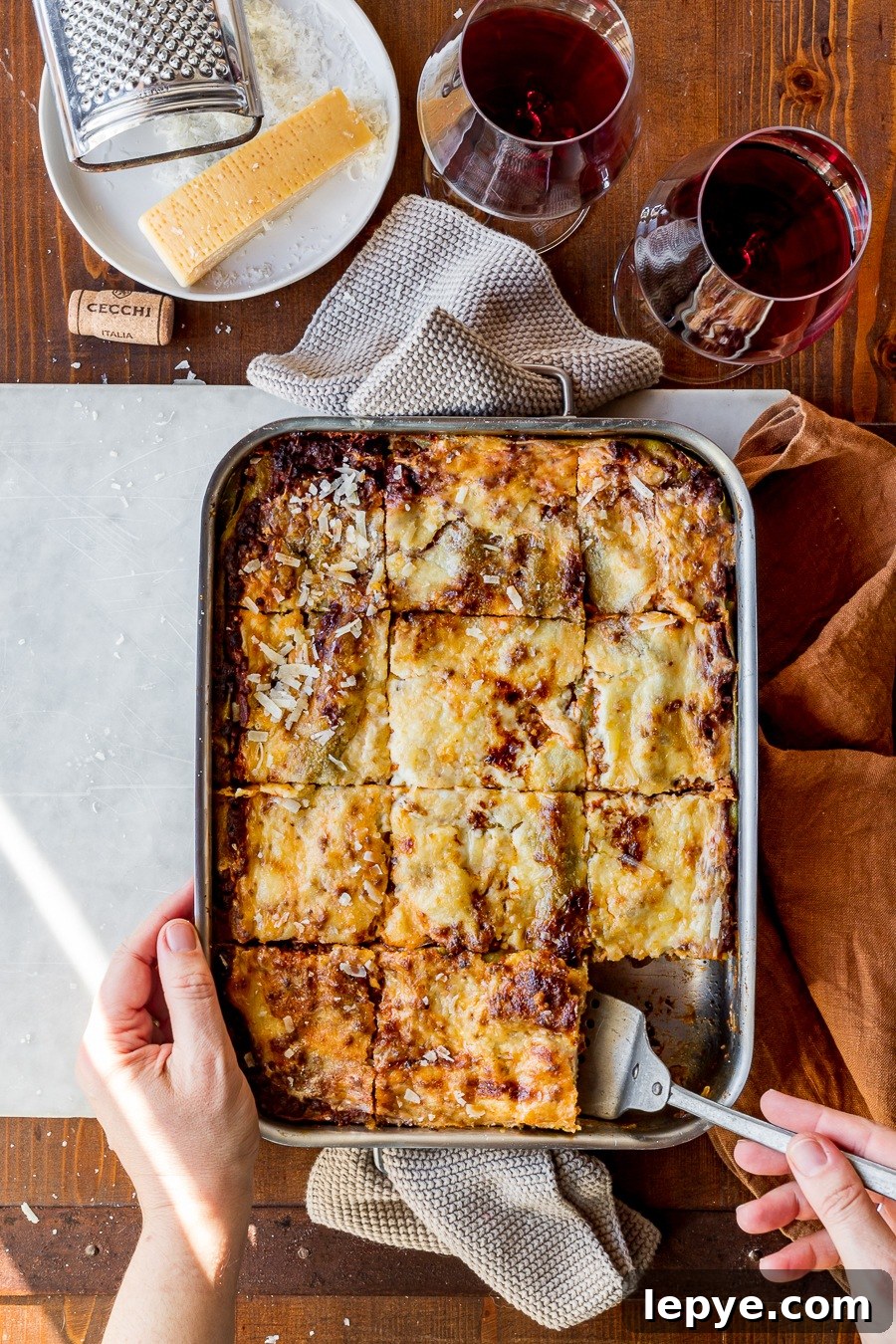
This year I plan to post more fresh pasta recipes, I thought as I rolled out spinach sheets for the lasagne alla Bolognese we ate with family to celebrate the first day of the year.
Until last year I made fresh pasta several times a week. Through my cooking classes I prepared ravioli, tortelli, tagliatelle, tagliolini and pici. Then pregnancy and the pandemic interrupted the classes and I almost stopped making fresh pasta, reserving it for special occasions, a few blog tests, or clients.
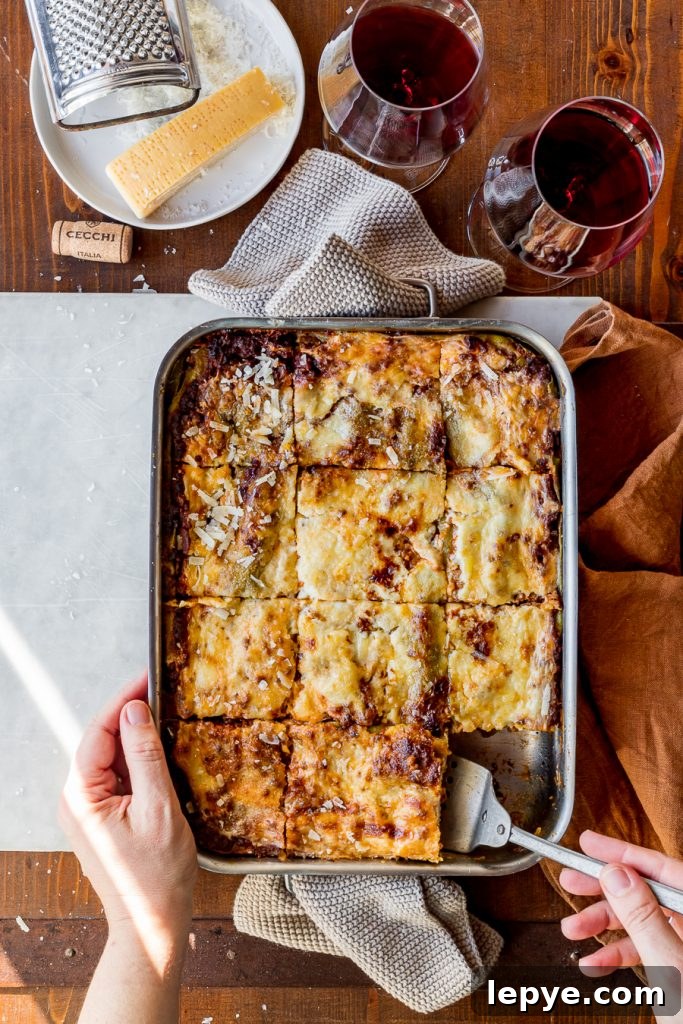
This year, in search of a new normal, I decided to make fresh pasta part of my daily rituals—small gestures that anchor me to the present.
Over the holidays I cooked a lot, testing recipes for our next cookbook and returning to Italian classics like lasagne alla Bolognese.
Cooking traditional recipes brings comfort. These flavours are part of our collective memory and awaken shared moments of happiness around family tables. There’s satisfaction in knowing a pairing and texture already work: a well-tuned classic needs little reinvention. I enjoy experimenting, but sometimes it’s best to trust a traditional recipe and honour the many home cooks who refined it over generations.
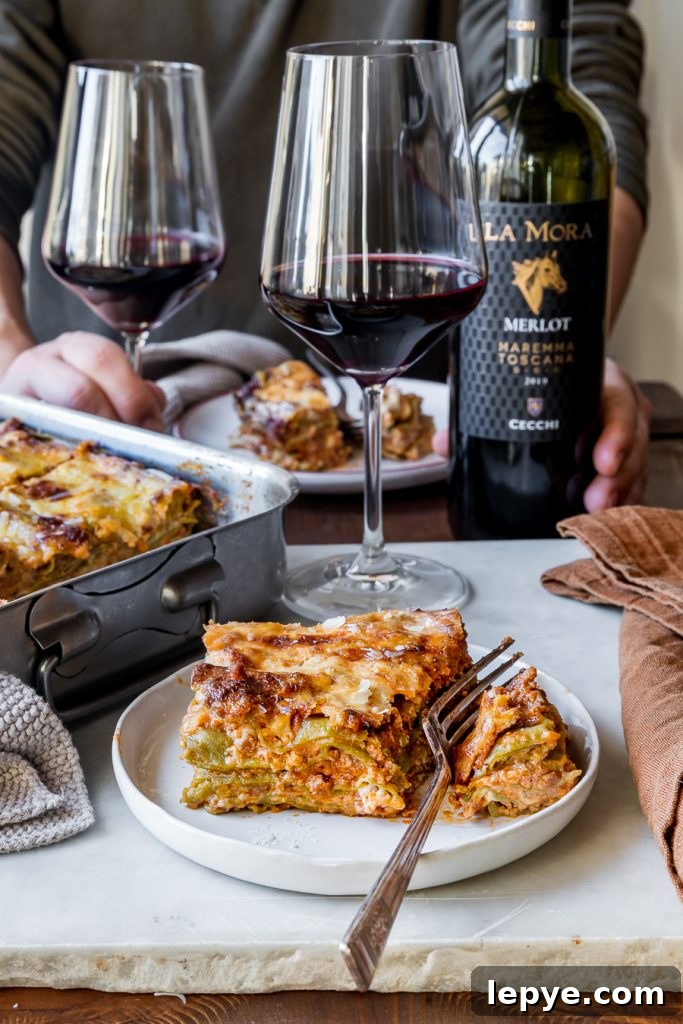
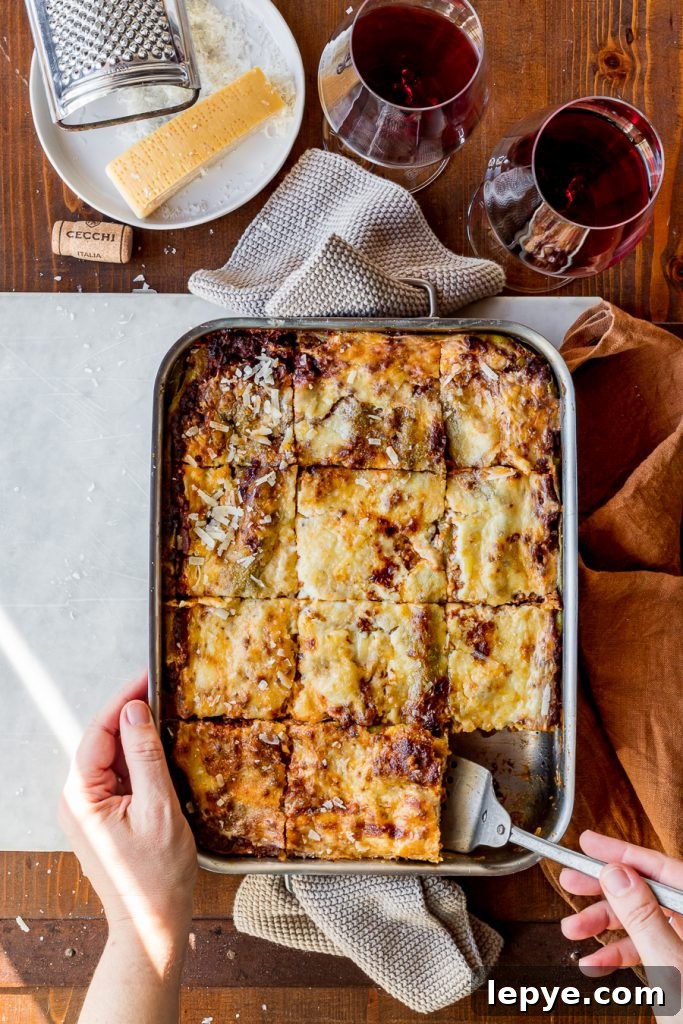
Lasagne alla Bolognese: ragù, béchamel and Parmigiano Reggiano
Recipe developed in collaboration with Cecchi.
For this lasagne I thought of a Maremma-inspired wine from the Cecchi family, La Mora Merlot, which pairs well with rich meat sauces and grilled meats. Inspired by that festive pairing, I chose lasagne alla Bolognese to begin the year with a classic.
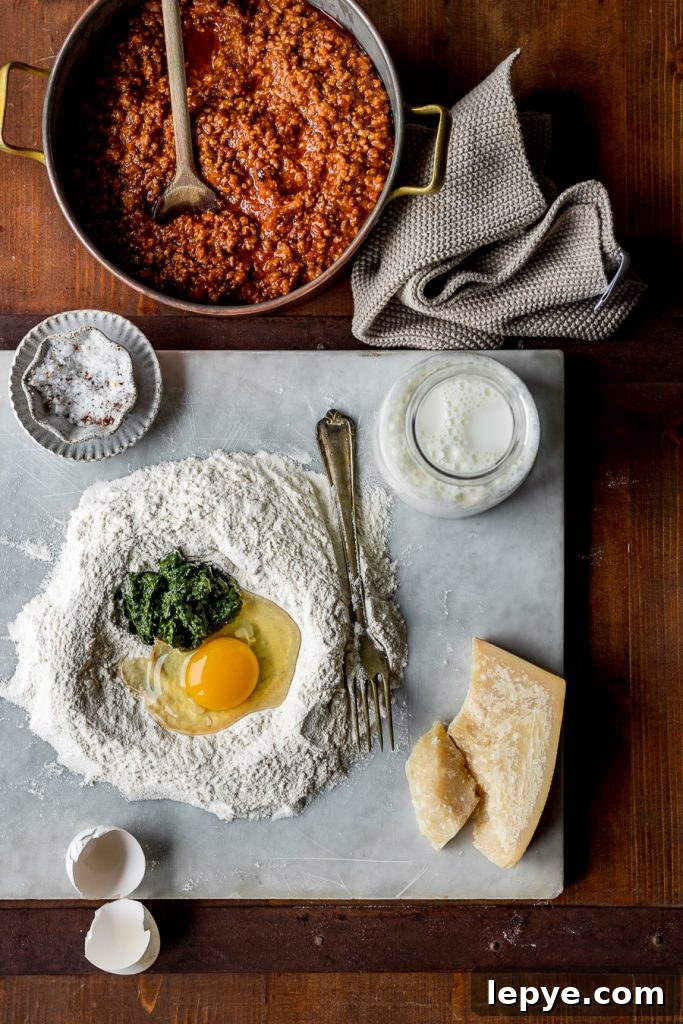
Key ingredients
True lasagne alla Bolognese relies on four essential elements: fresh green egg pasta (spinach sheets), a proper ragù Bolognese, a smooth béchamel scented with nutmeg, and generous grated Parmigiano Reggiano. Ricotta is not part of the traditional Emilian version.
Fresh pasta
Make green lasagne sheets with cooked, well-drained spinach, fresh eggs and 00 (or all-purpose) flour. Roll them very thin, cook for about a minute in boiling water, then plunge into cold water and lay on a clean cloth to dry. Though delicate before cooking, the sheets become sturdy once cooked and form the structure of the lasagne.
The ragù
Ragù Bolognese differs from many regional meat sauces: it uses dry white wine rather than robust red, includes a modest amount of vegetables, and—crucially—adds milk to soften the tomato’s acidity. Like many slow-simmered sauces, it calls for mixed ground meats (beef and pork) and a long, gentle simmer so flavours meld fully.
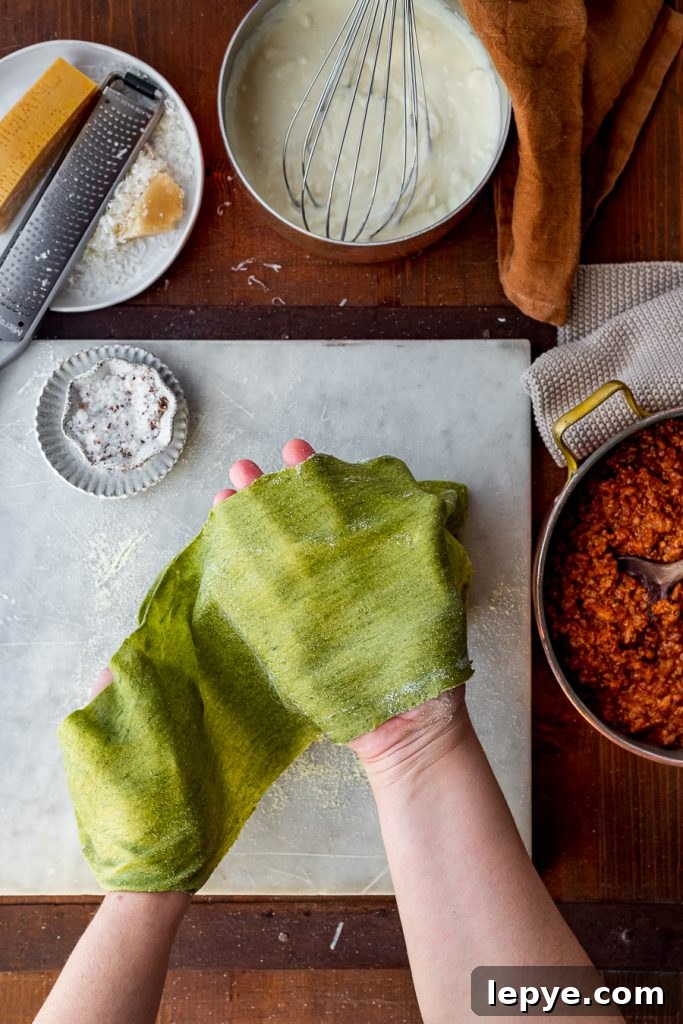
Patience and restraint
I learned from my grandmother that patience and moderation are essential. Patience is needed when kneading and resting dough, rolling sheets, and simmering ragù for hours. Lasagne often tastes best the next day, when layers have settled and flavours have married.
Moderation matters when layering ragù and béchamel. For years I believed more sauce meant better lasagne, but the result can become too heavy or greasy. The right balance—enough sauce for creaminess and flavour without overwhelming—yields a lasagne that slices cleanly, is pleasantly rich and perfectly balanced.
You can learn a lot from a single pan of lasagne.
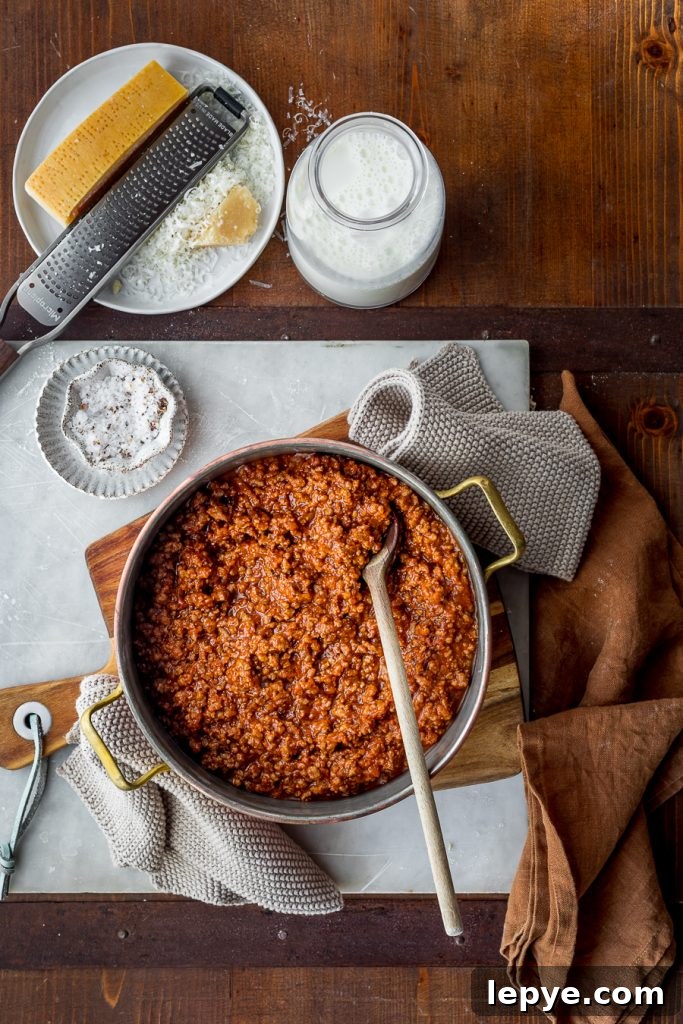
Ragù Bolognese
A traditional ragù uses a battuto (finely minced onion, carrot and celery), olive oil and butter, mixed ground meats (beef, pork and pork belly), dry white wine, milk, tomato purée and paste. Cook slowly over low heat until the meat releases its fats and the sauce achieves a deep, harmonious colour and flavour. Aim for at least 1½–2 hours of gentle simmering.
Lasagne alla Bolognese (assembly)
When your ragù and béchamel are ready and the spinach sheets are cooked and dried, assemble the lasagne in a buttered 20×30 cm (11×15 in) baking dish. Start with a thin layer of ragù, a sheet of pasta, a thin layer of ragù, some béchamel, and grated Parmigiano Reggiano. Repeat to create four or more layers, finishing with béchamel, Parmigiano and a few slivers of butter. Bake at 180°C (350°F) for about 45 minutes until golden and bubbling. Serve immediately or let rest for a few hours—or better yet, refrigerate and reheat the next day for the best texture and flavour.
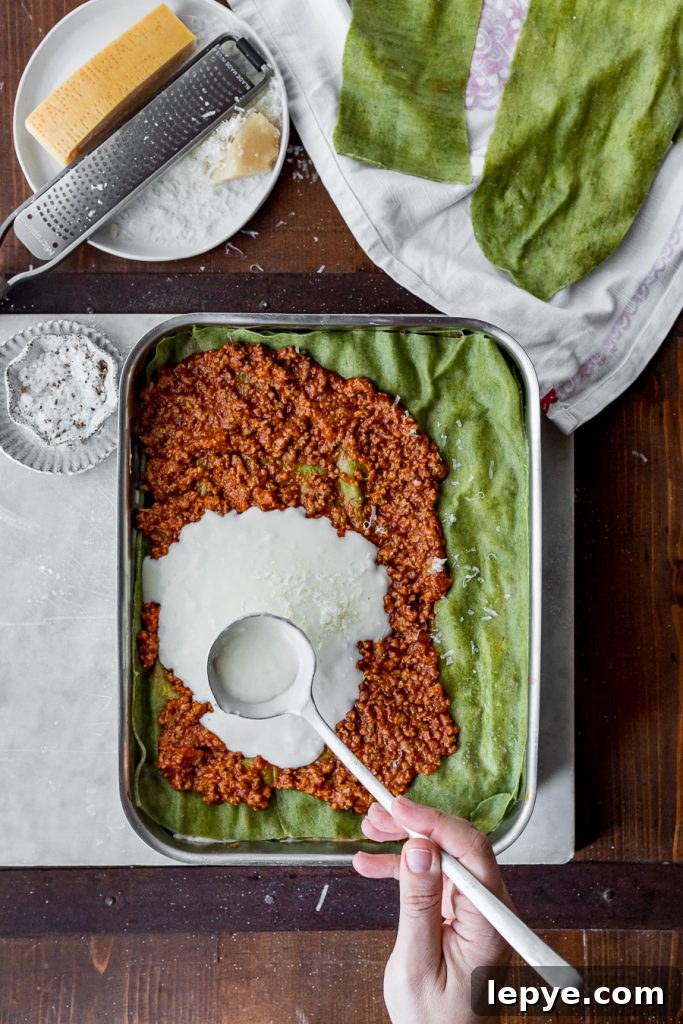
Notes and tips
- Use well-drained spinach so the pasta dough doesn’t become too wet.
- Cook pasta sheets one at a time, plunge into cold water and dry them on a clean cloth to avoid sticking.
- Simmer ragù gently on the lowest heat and taste for seasoning near the end.
- Lasagne often improves overnight—if possible, rest and reheat before serving.
Link Love
If you want to explore other lasagne variations, search for seasonal fillings like artichokes and mozzarella, Neapolitan-style lasagne, seafood lasagne or pasticcio with radicchio and sausage. On this site you can also find a ricotta-and-basil pesto lasagne and my grandmother’s lasagne—both lovely alternatives to the Bolognese classic.