
Be sure to check the FAQs at the bottom of the post for more tips and answers about attracting birds to your yard.

If you want to attract birds to your backyard but don’t know where to begin, these practical, easy-to-follow tips will help. You don’t need a large property—small yards, patios, and balconies can all become welcoming places for birds. The key is to provide what birds need most: food, water, and shelter. Create a safe, comfortable environment where birds can feed, rest, and socialize, and they will start visiting regularly.
Easy Tips for Attracting Birds to Your Backyard
Attracting birds can be enjoyable and rewarding. The suggestions below focus on simple, effective ways to make your yard more inviting to a variety of species.

Provide Food
Consistent food sources are one of the best ways to bring birds back frequently. Install bird feeders and offer a variety of foods—seeds, suet, nectar, and mealworms—to attract different species. Choose feeders that match the types of birds you want to welcome; for example, tube feeders are popular with finches while platform feeders suit cardinals and jays. Regularly refill and clean feeders to keep food fresh and birds healthy.

Provide Feeding Stations
Create a feeding station that offers multiple feeder types and food choices in one area. This encourages a wider range of species to visit and lets birds feed comfortably in the style they prefer. Ground-feeding species like juncos, blue jays, and cardinals prefer tray or platform feeders, while finches, chickadees, and nuthatches often use tube and hopper feeders. Placing different feeders together makes your yard more attractive to a variety of birds.
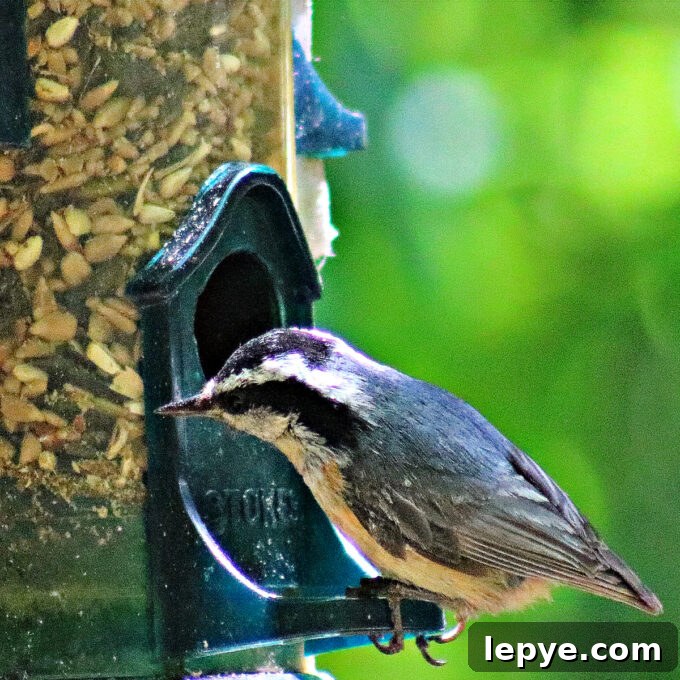
Position your feeding station where you can enjoy watching it year-round and where it is convenient to refill and clean. Consider seasonal foliage that may block your view, and if mobility is a concern, place feeders within easy reach. A visible, accessible station will be used more consistently by both you and visiting birds.

Offering a variety of food types attracts more species. Some common choices include:
- Hummingbirds: Hang nectar feeders filled with a sugar-water solution.
- House finches and other small songbirds: Offer mixed seeds in tube or hopper feeders.
- Cardinals: Provide safflower and black oil sunflower seeds on platform or tray feeders.
- Bluebirds: Offer mealworms and provide open-platform or tray feeders.
Clean feeders regularly to prevent disease and spoilage. A clean feeder, topped up with fresh food, will draw birds back and keep them healthy.

Offer Water
Clean water for drinking and bathing is essential. Add a bird bath, small fountain, or shallow pond to your yard. Moving water—such as from a dripper or small fountain—attracts more birds than still water. Place baths where birds feel safe and where you can access them easily for cleaning. Change the water frequently to prevent mosquitoes and keep it fresh, especially in warm weather.

Plant Native Plants
Native plants supply natural food and shelter and support local insects that birds feed on. Choose shrubs, trees, and flowers native to your region to create a healthy, balanced habitat. Native plants also attract pollinators, adding diversity to your yard and providing nectar and insects that many birds rely on.
Attracting Birds to Your Backyard: Safety Reminders

Provide Shelter
Birds need safe places to rest and hide from predators. In addition to native plantings, provide shelter with evergreen trees and dense shrubs, birdhouses, and nest boxes appropriate for local species. If you have room and it suits your property, brush piles made of natural debris can offer additional cover. Birds value protective cover for roosting and nesting, so varying plant heights and structures improves your yard’s appeal.
Reduce Pesticide Use
Minimizing pesticides helps birds directly and preserves their food sources by protecting insects and native vegetation. Whenever possible, use natural pest-control methods to maintain a healthier environment for birds and other wildlife.
Be Patient
It can take time for birds to discover and regularly use a new habitat. Stay consistent with food, water, and shelter, and give birds time to find and trust your yard. With steady care, your outdoor space will gradually attract a thriving and varied bird community.
Creating a bird-friendly yard doesn’t have to be complicated. Follow these practical steps—provide varied food, clean water, native plants, and safe shelter—and enjoy watching more birds visit your yard throughout the year.
Yes. Continuing to feed backyard birds year-round is a good idea. While birds can find natural food, a reliable feeder supplements their diet and often keeps them coming back.
Keep feeding as you would in other seasons, but consider adding high-energy foods like suet and placing feeders where they are sheltered from wind and snow. Covers over feeders can help keep food dry.
A general wild bird seed mix and a suet feeder are good starting points. Different species prefer different seeds, so adjust based on the birds you observe visiting your yard.
Blue Jays are bold and persistent. Instead of trying to stop them entirely, offer an alternative feeder with food they like placed away from your main feeding area. This often distracts them and lets smaller, more timid birds feed undisturbed.
Be consistent. Fill feeders partway so food is consumed before it spoils. Clean feeders regularly—if it looks unappetizing to you, clean it. Provide fresh water—birds need it. Most of all, enjoy watching the birds that visit.