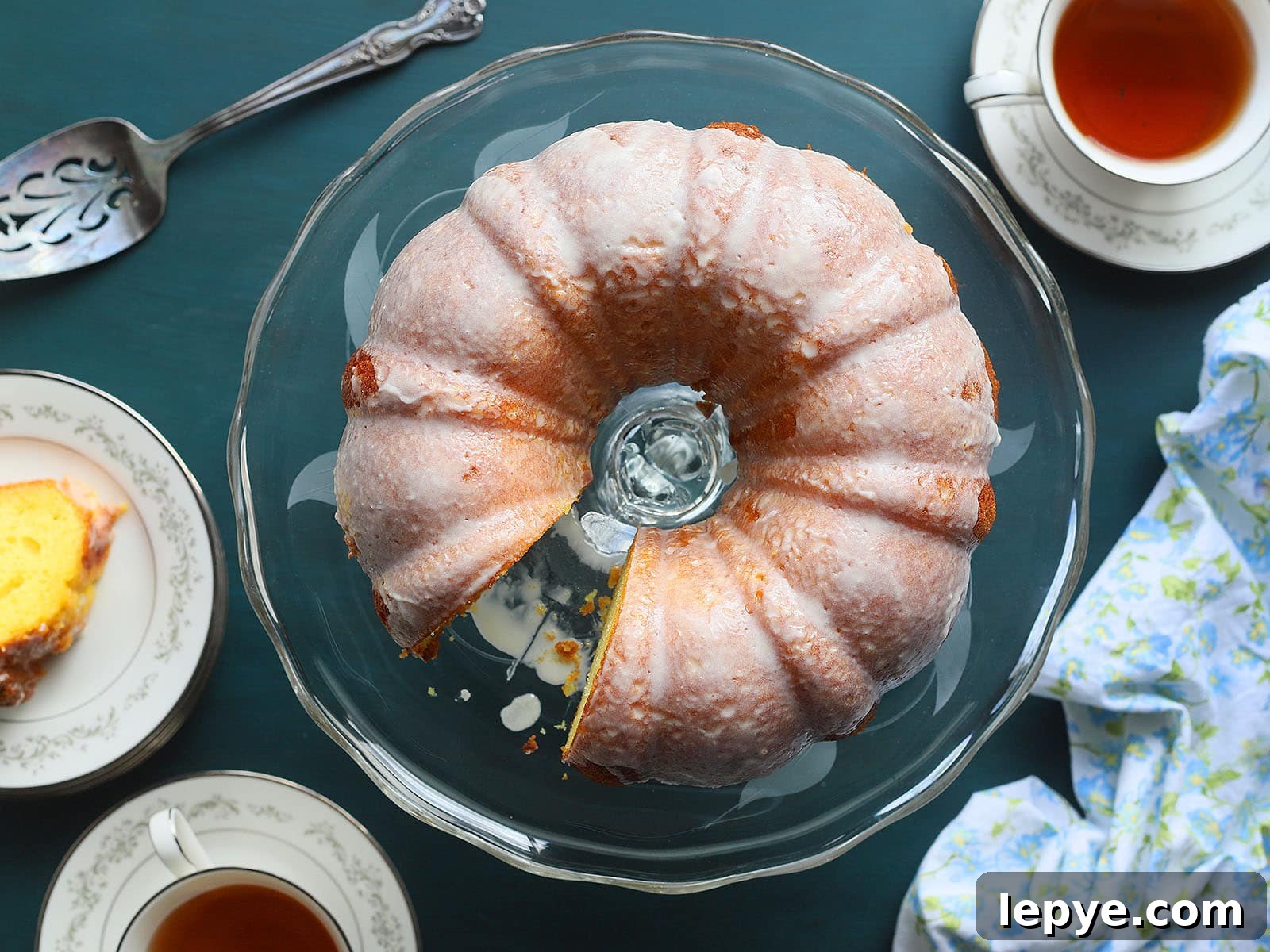
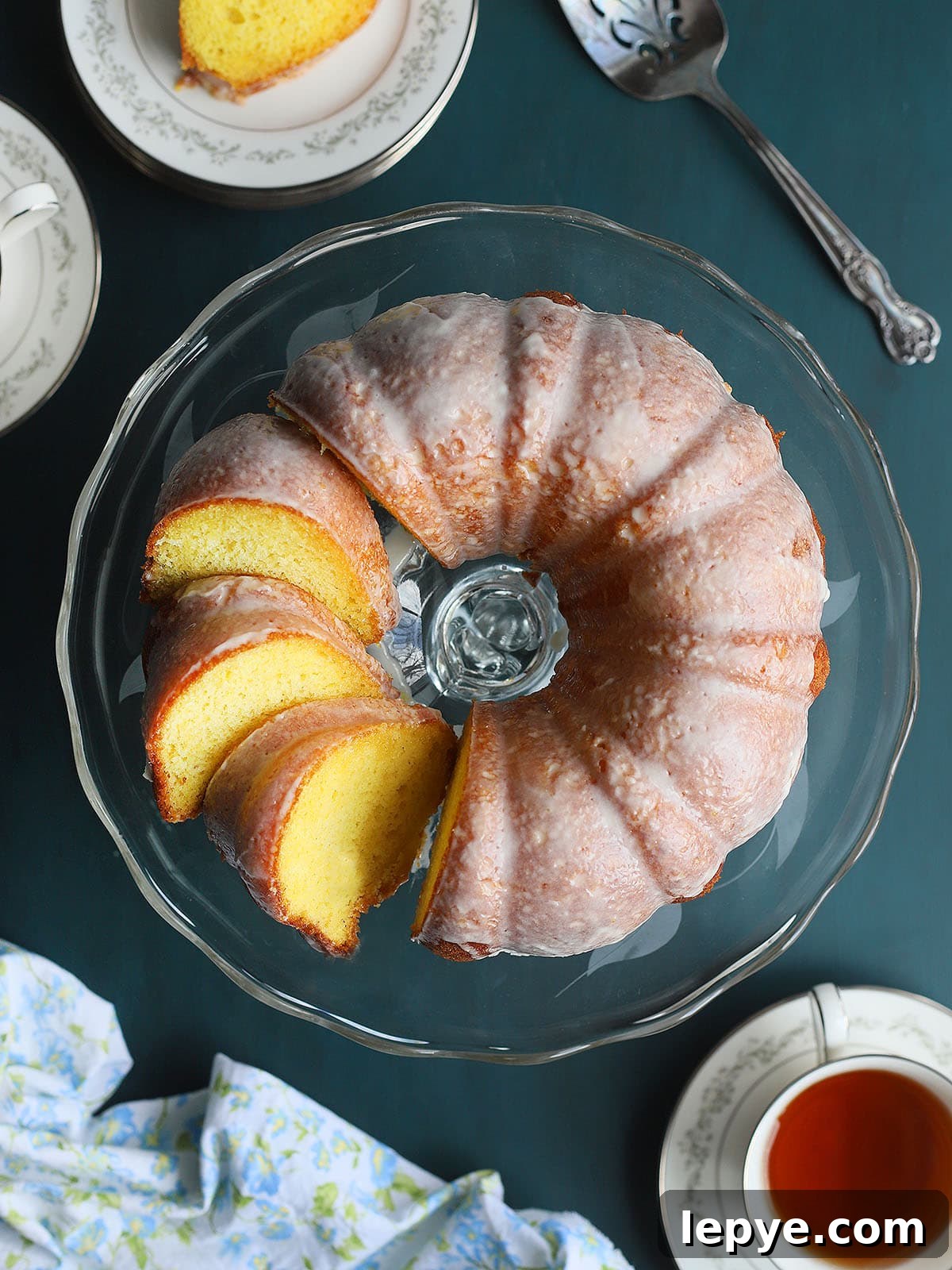
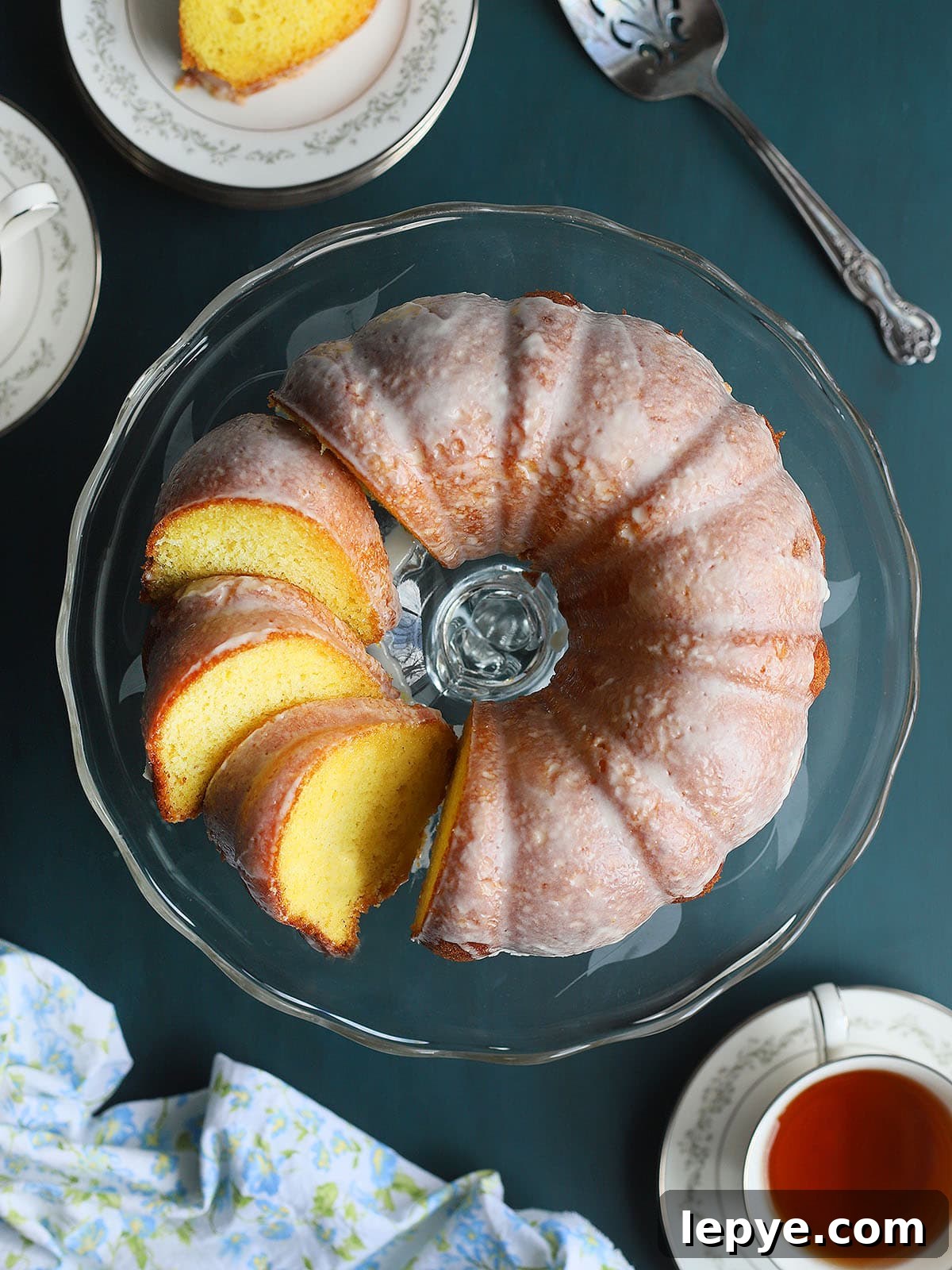
Apricot nectar cake is a simple, yet delightful, vintage dessert. A lemon cake mix is enhanced with apricot nectar and finished with a silky glaze.
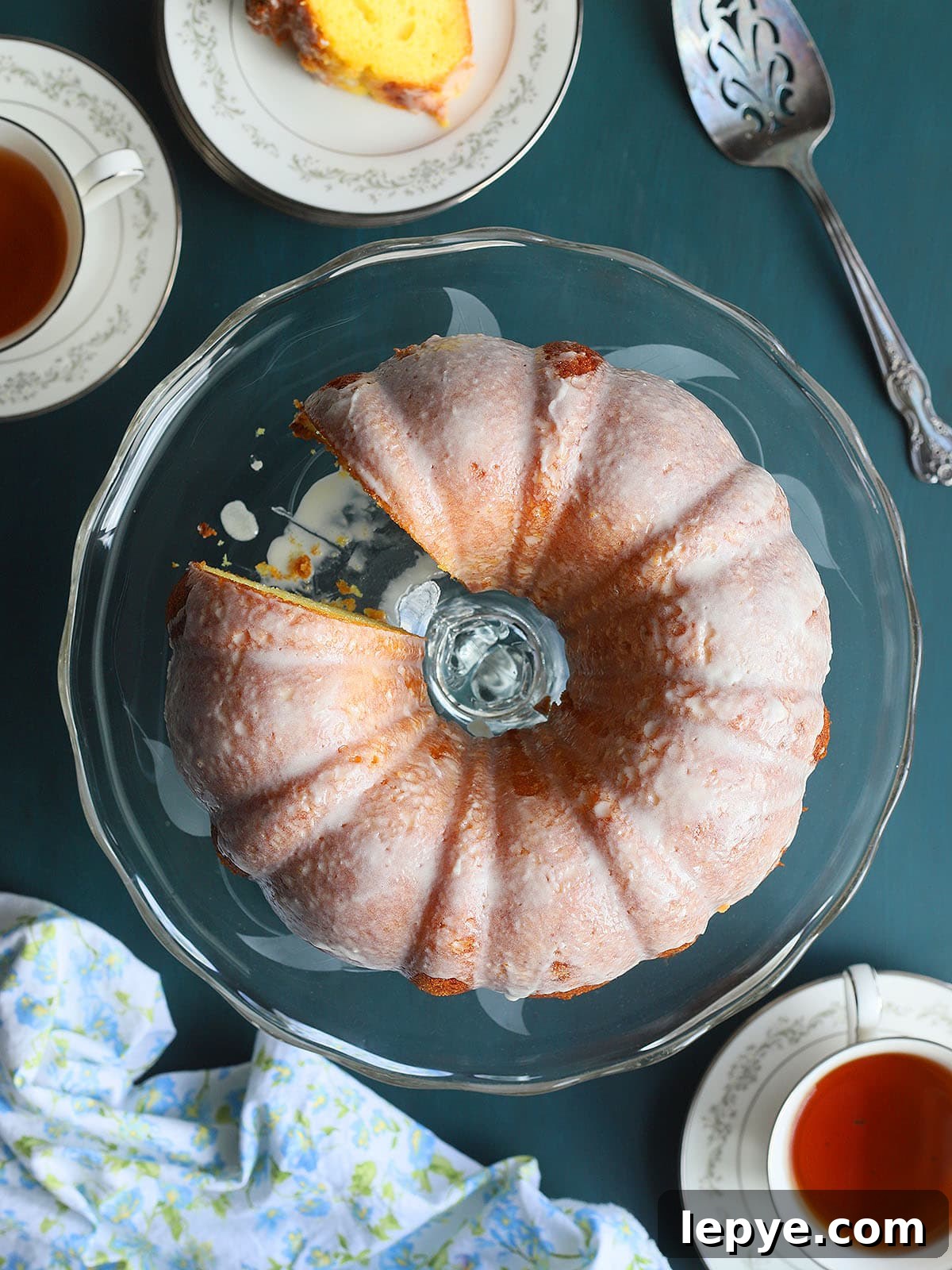
Does a recipe that begins with a boxed cake mix still count as homemade? I say yes. As my kids get older and life gets busier, I rely on smart shortcuts to keep homemade treats on the table without spending hours in the kitchen. Boxed mixes were invented as convenience foods and, when dressed up with a few extra ingredients, they become comforting, homemade-style desserts — like this apricot nectar cake.
This cake is a classic from mid-century kitchens and shows up in many vintage cookbooks and family recipe boxes. It’s easy, forgiving, and perfect when you want something special without the fuss.
Things you’ll need to make apricot nectar cake
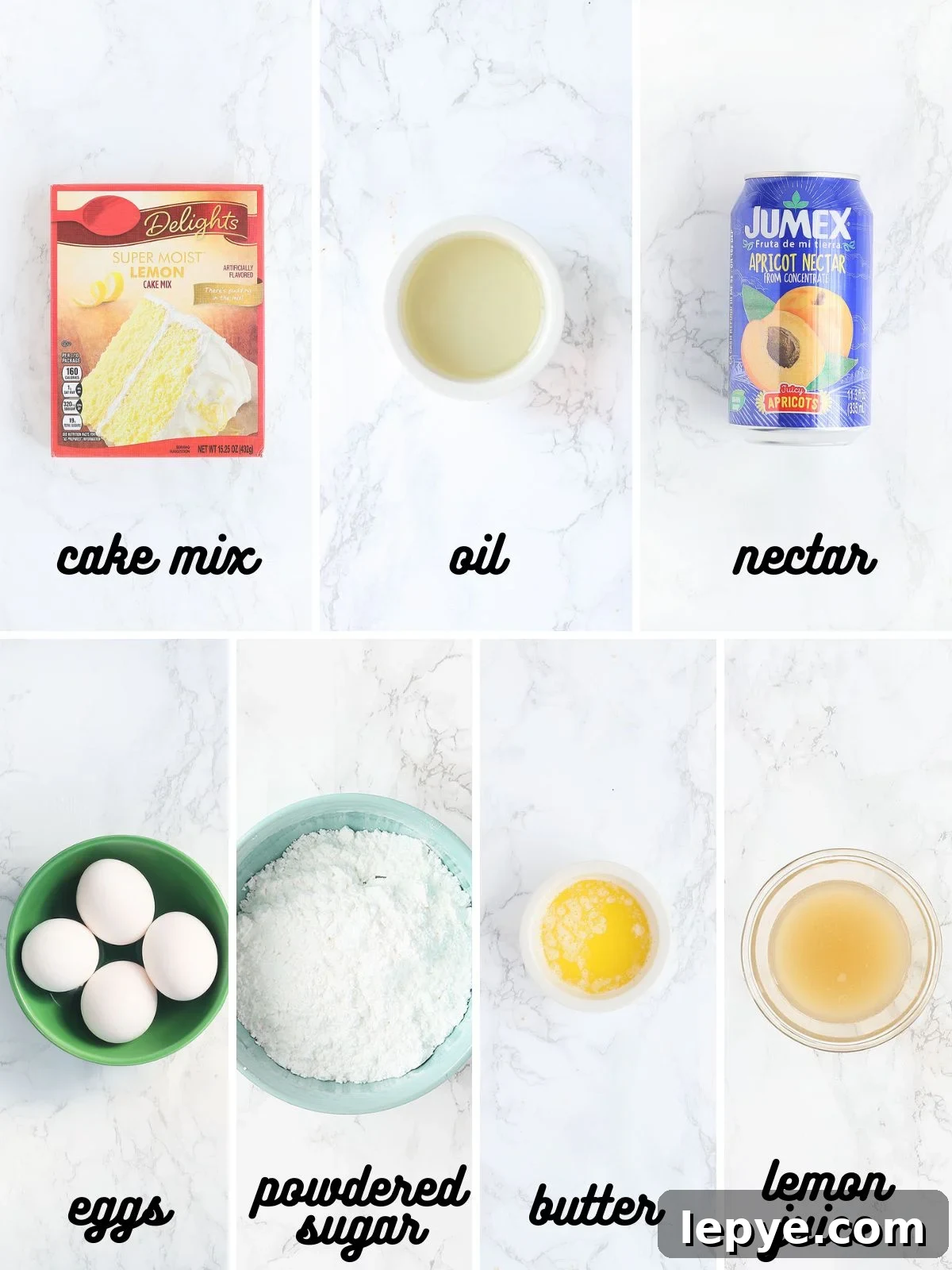
With just seven main ingredients, this cake comes together quickly and can be made ahead of time. For the cake you’ll need:
- 1 (15.25 ounce) lemon cake mix
- ¾ cup vegetable or canola oil
- ¾ cup apricot nectar
- 4 large eggs
- Cooking spray (or butter) to grease the pan
- Bundt cake pan
If you plan to add the glaze, you’ll also need:
- 2 cups powdered sugar
- 1 tablespoon butter, melted and cooled
- 1–4 tablespoons fresh lemon juice
- 1–4 tablespoons apricot nectar
What the heck is apricot nectar?
Apricot nectar is a thicker, sweeter fruit juice made from apricots. Because apricots are not especially juicy like apples or oranges, the labeled product is thicker and often called “nectar.” Most grocery stores carry it in the juice aisle; it may be canned or bottled and is frequently sweetened. If you find unsweetened apricot nectar, that will reduce overall sweetness, but the sweetened varieties work fine in the cake.
If you can’t find apricot nectar, similar nectars — such as peach or mango — or a fruit puree can be substituted. Expect slight differences in flavor depending on what you use.
Bake the cake
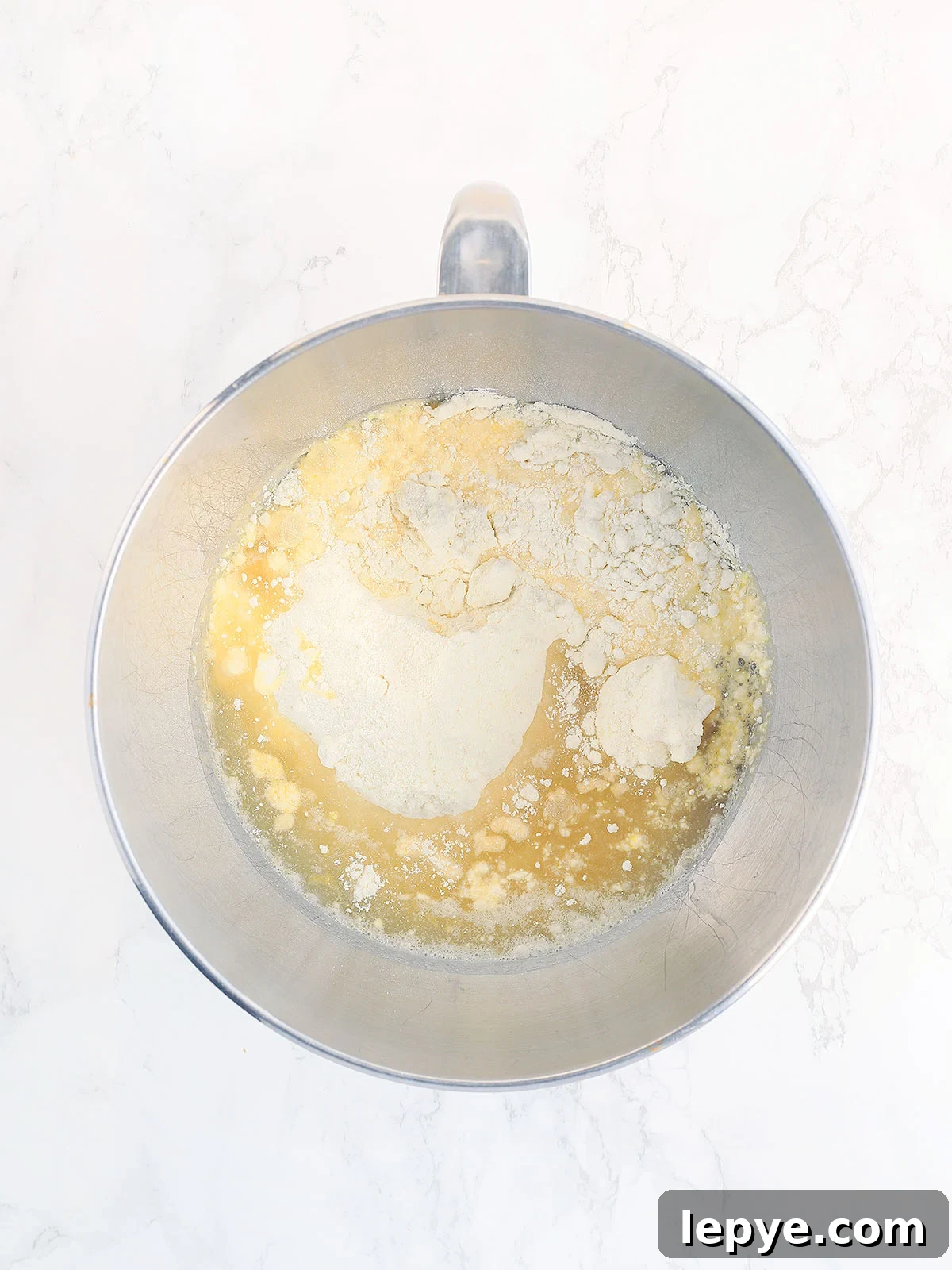
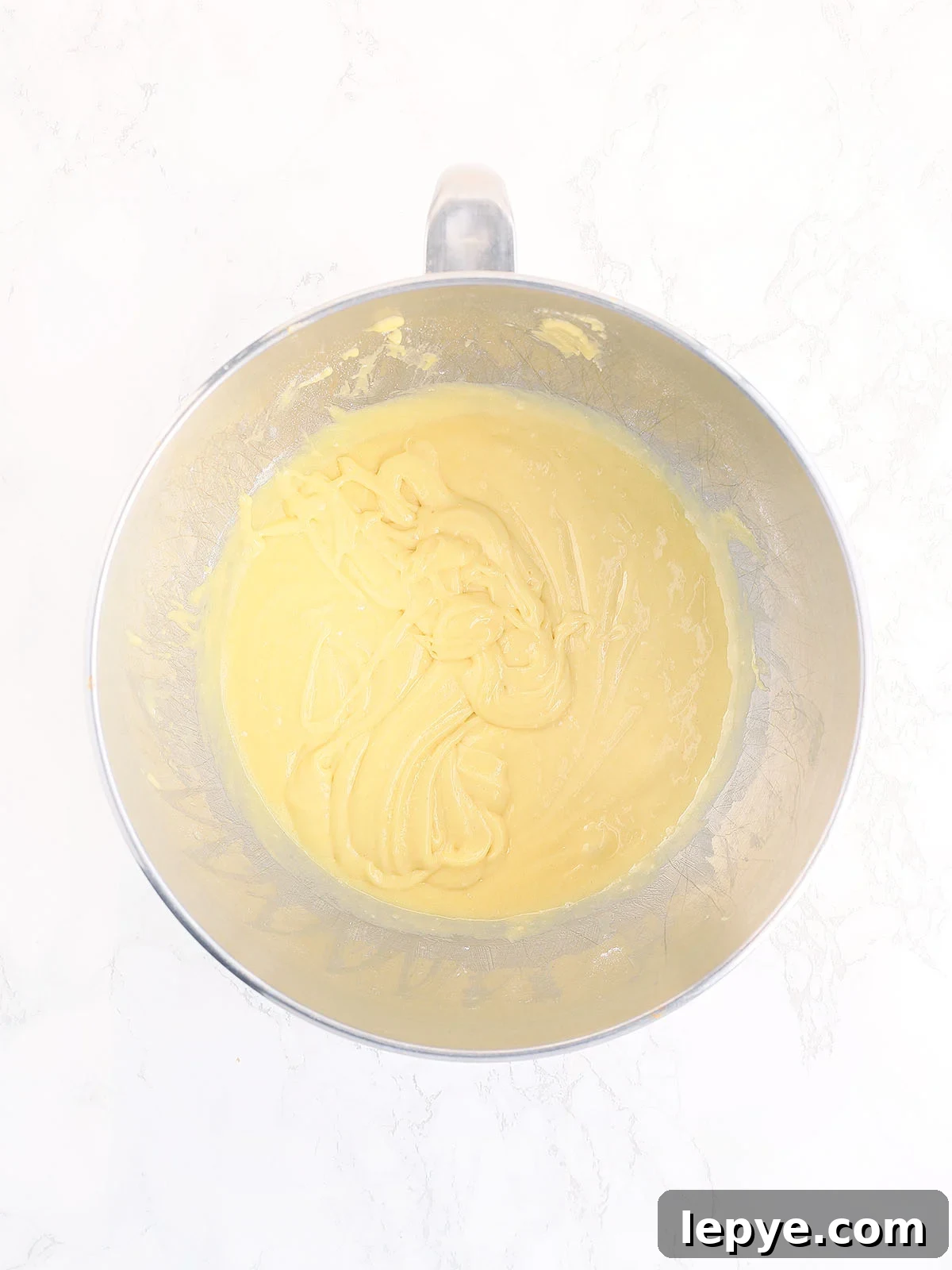
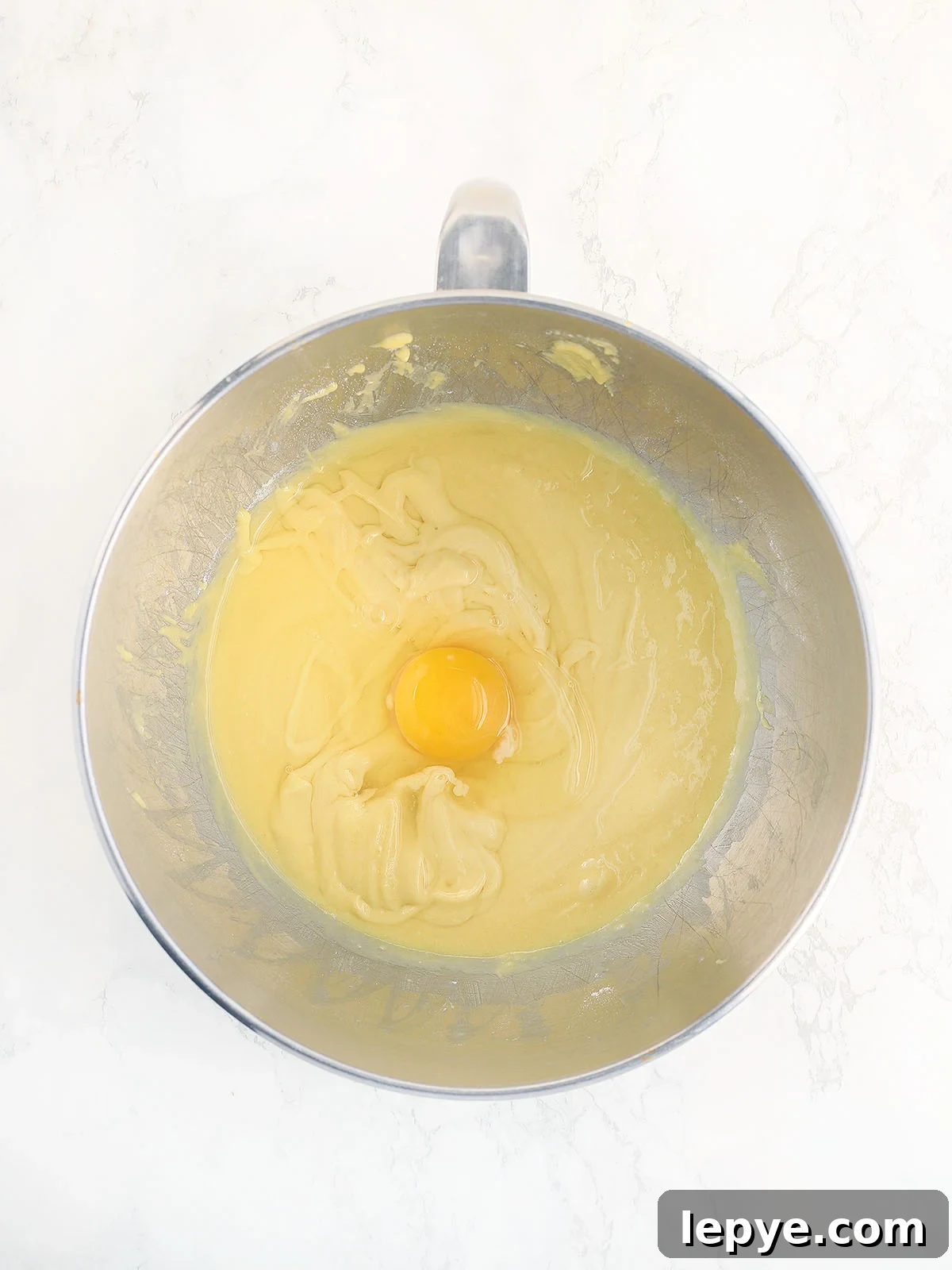
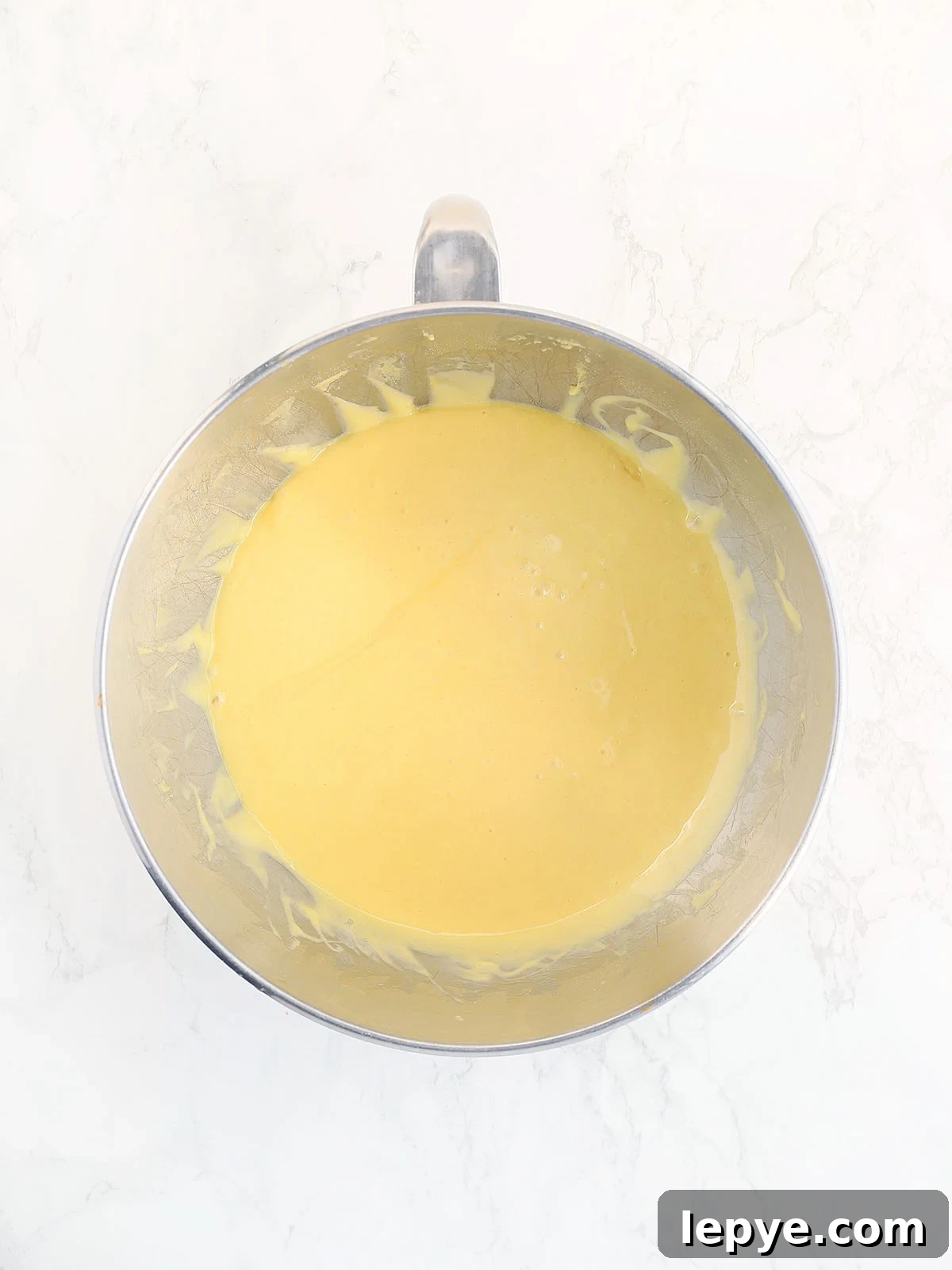
Preheat the oven to 350°F. In a large bowl, combine the lemon cake mix, oil, and apricot nectar and mix on medium speed until blended. Add the eggs one at a time, mixing between each addition until each is incorporated.
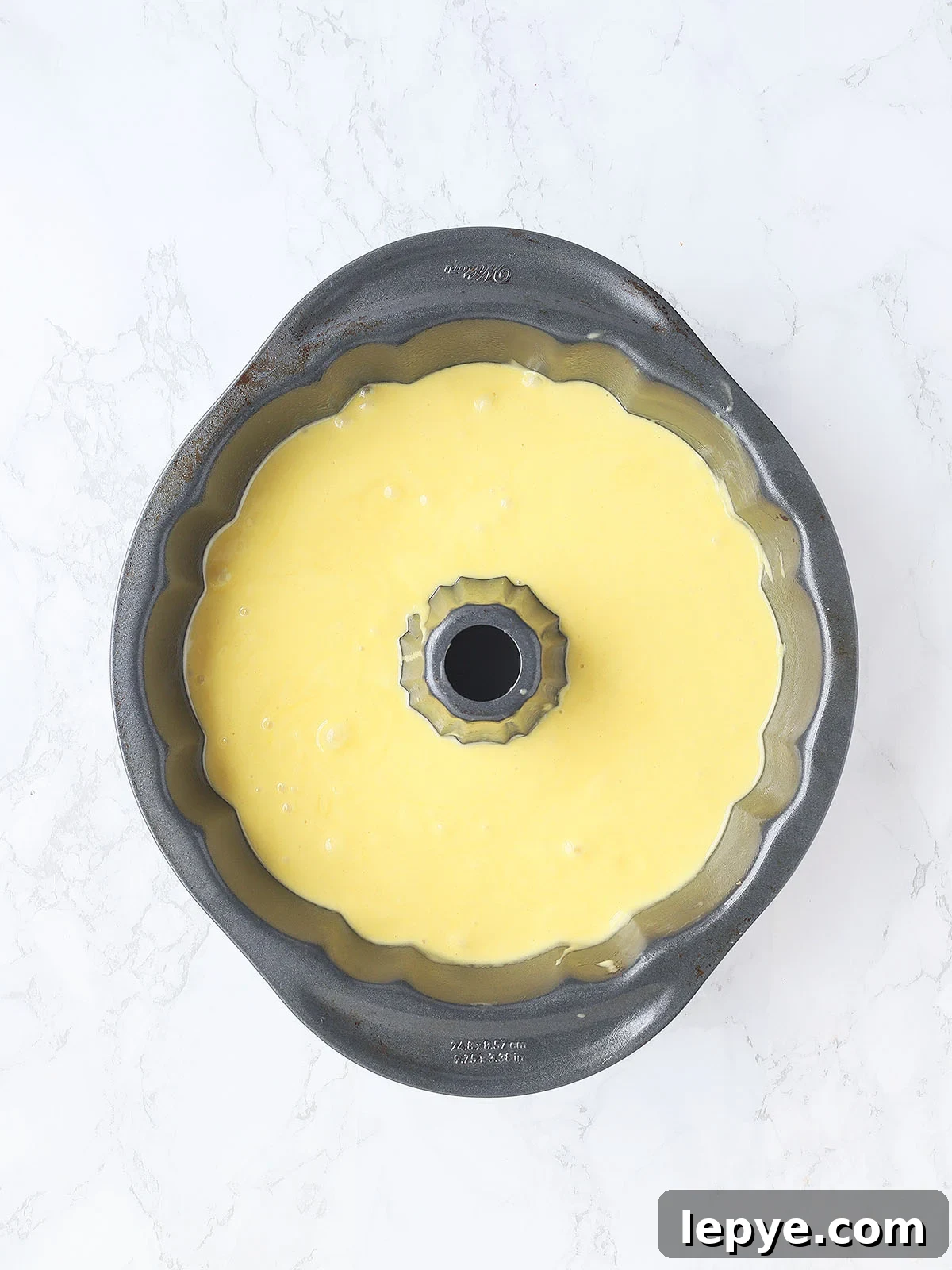
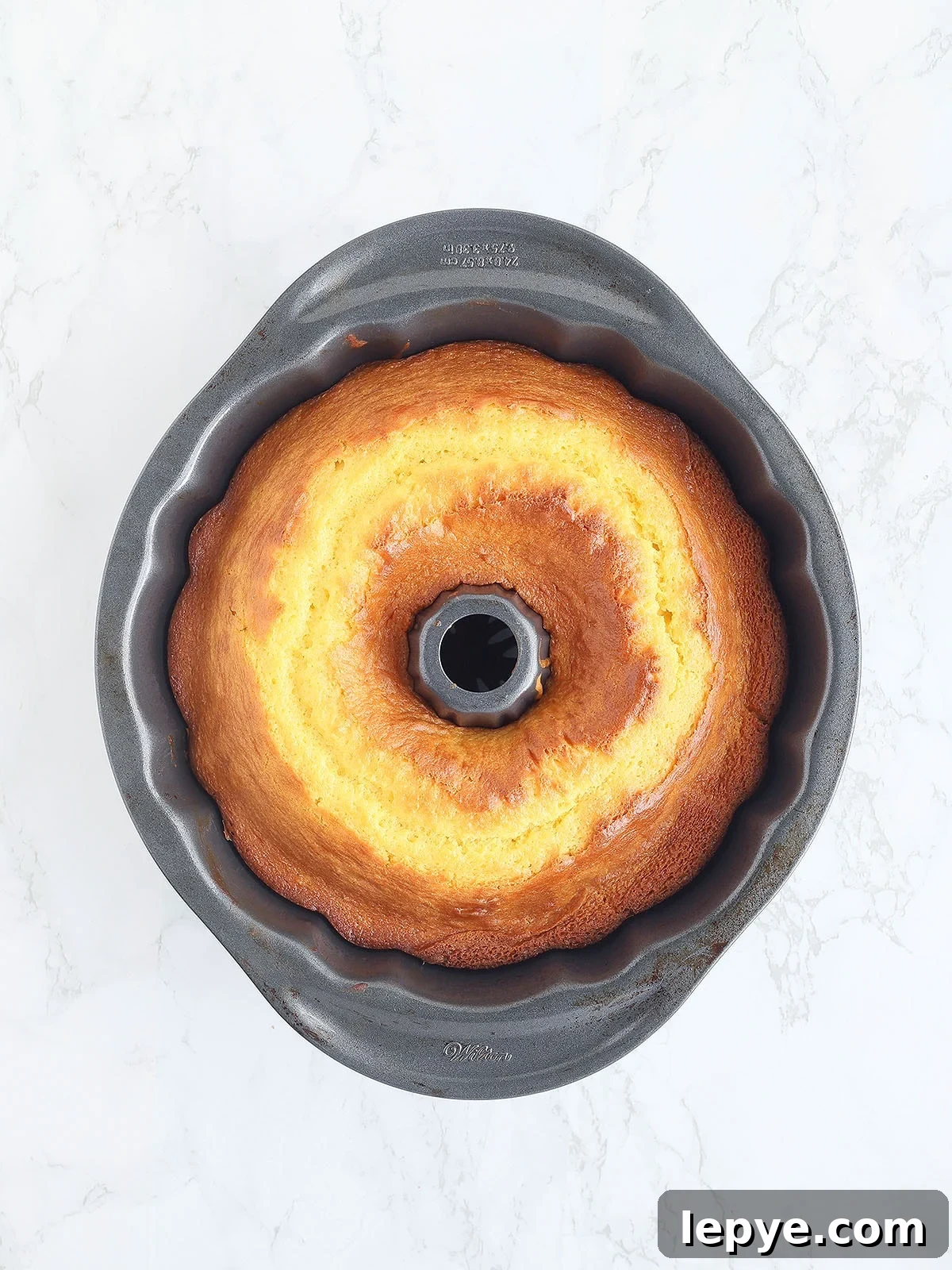
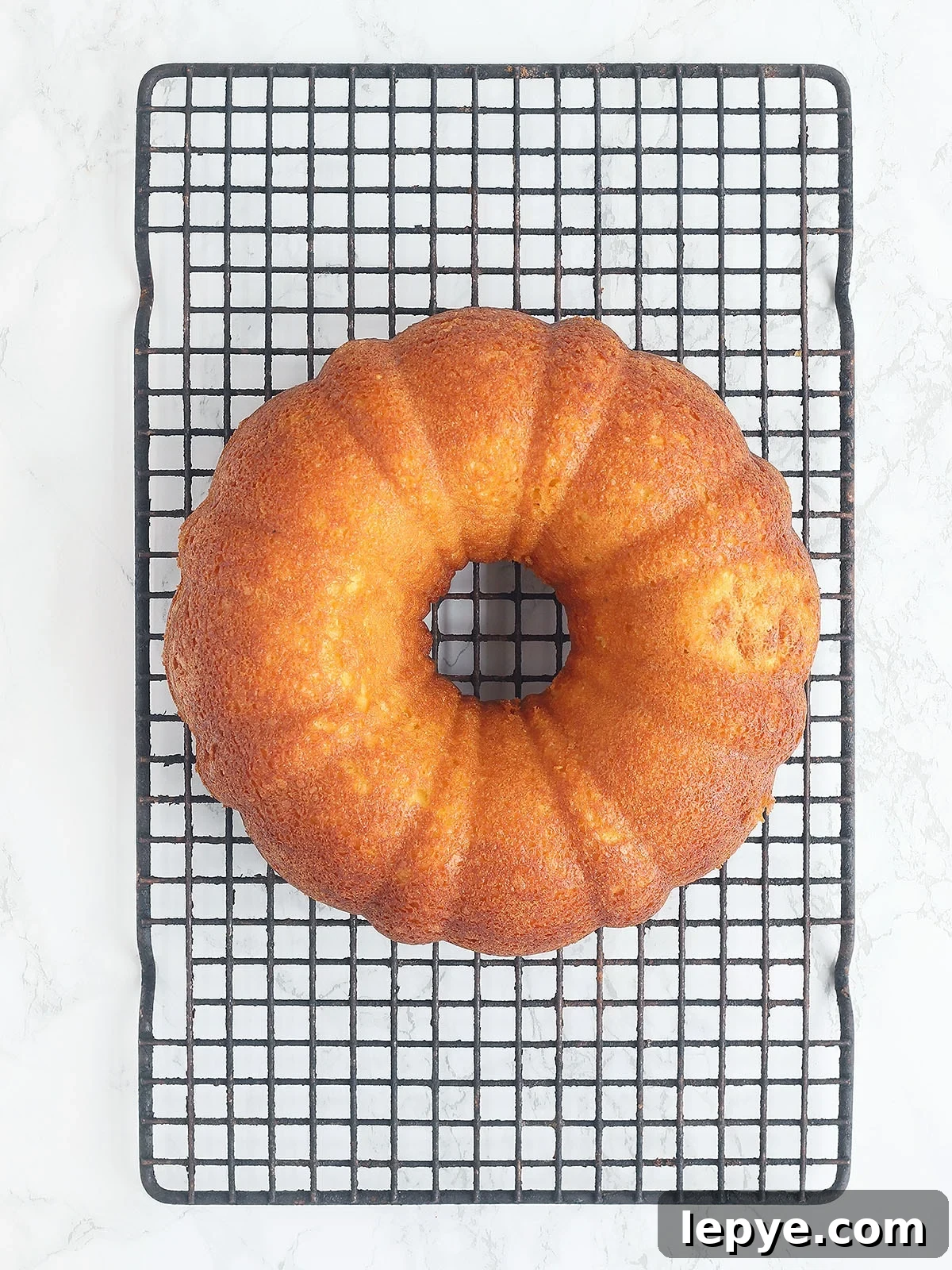
Pour the batter into a greased Bundt pan and bake at 350°F for 30–45 minutes, or until a toothpick inserted near the center comes out clean. Let the cake cool in the pan for about 30 minutes, then run a knife around the edge and carefully invert the cake onto a plate or cooling rack. Allow the cake to cool completely before glazing.
Make the glaze
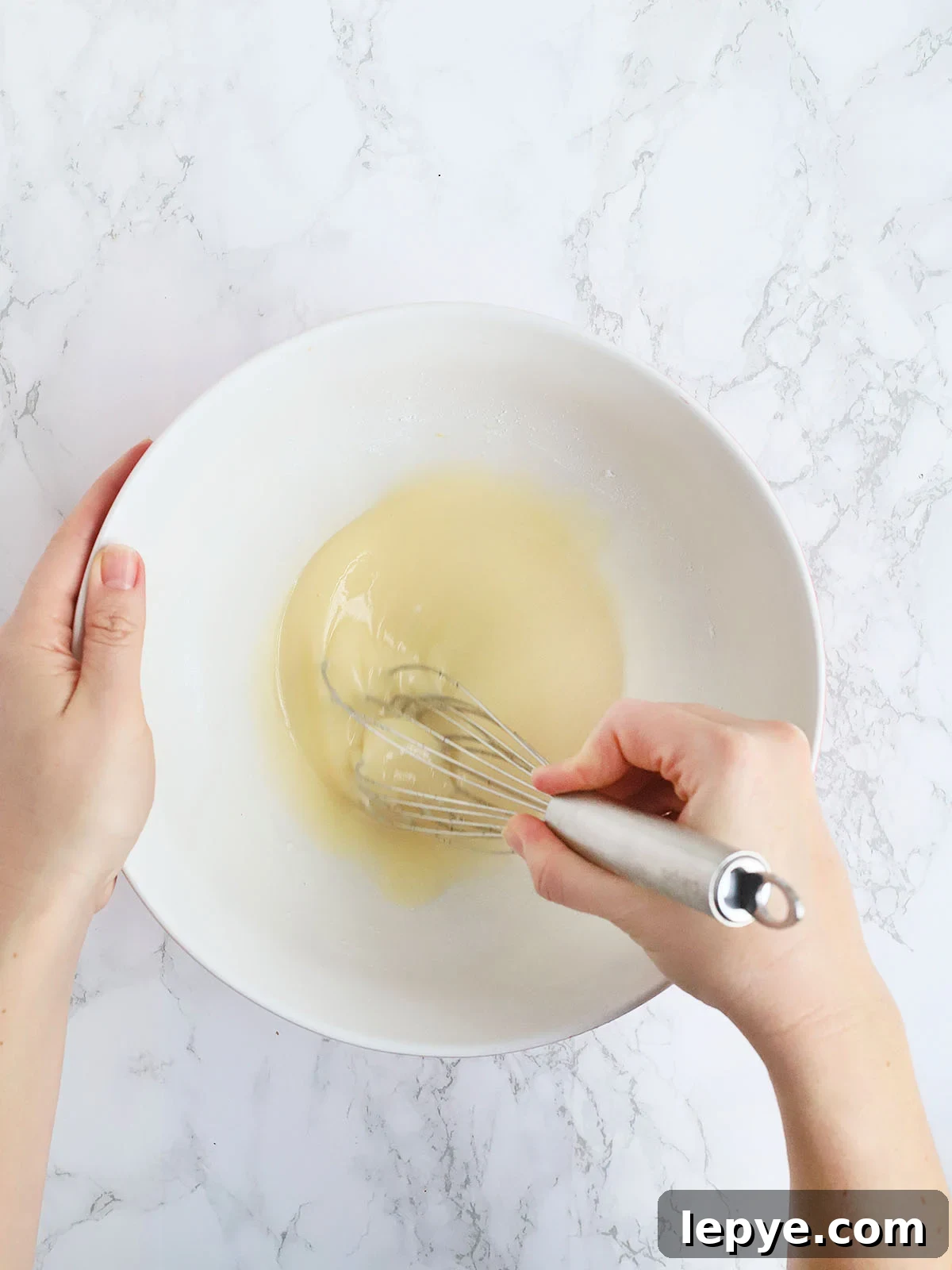
In a medium bowl, whisk together powdered sugar, the cooled melted butter, 1 tablespoon lemon juice, and 1 tablespoon apricot nectar. The butter must be cooled so it doesn’t make the glaze too thin. Freshly squeezed lemon juice gives the best flavor.
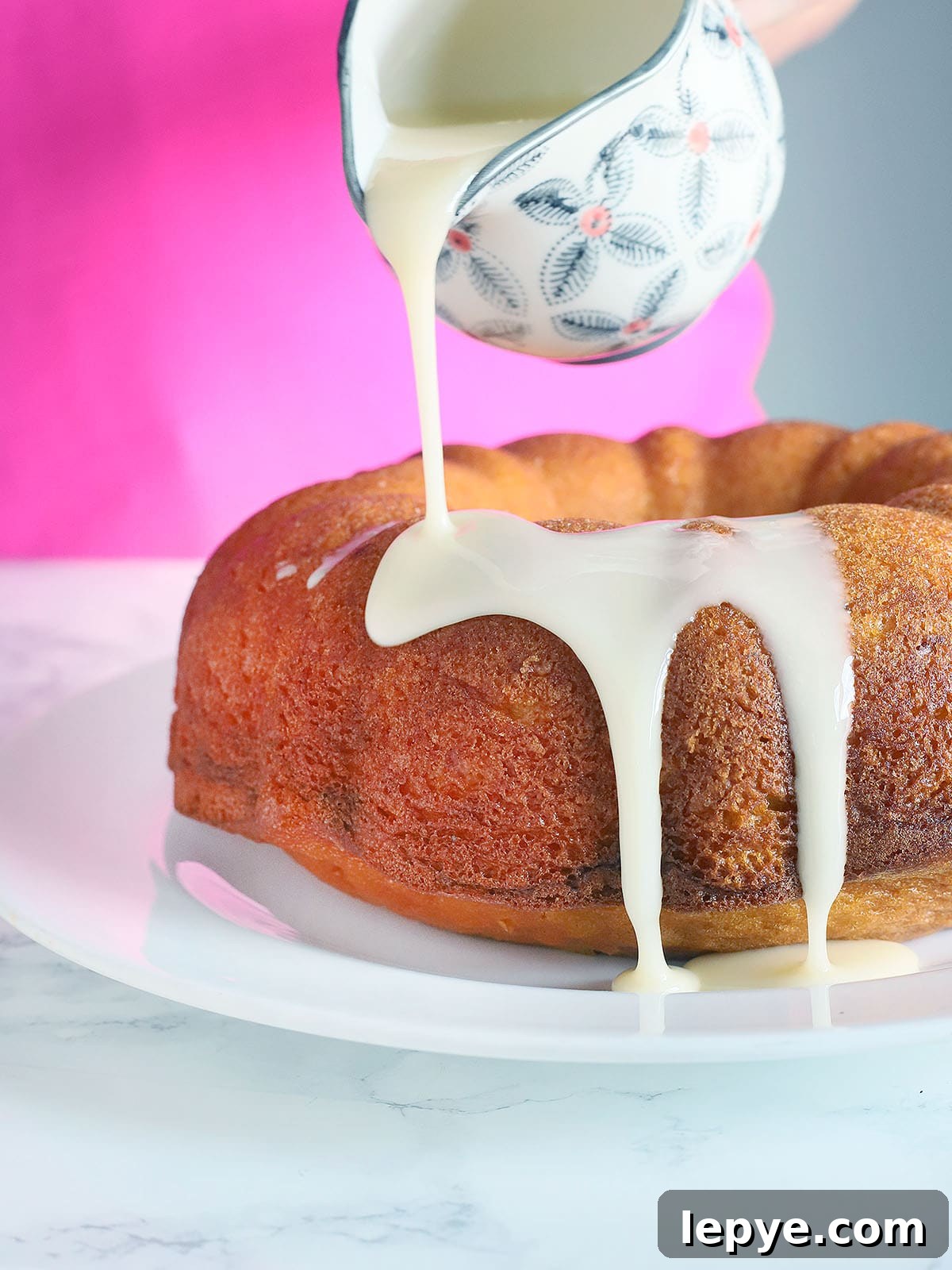
The glaze will start thick; thin it by adding more lemon juice or apricot nectar one tablespoon at a time. Add more nectar for a sweeter glaze or more lemon juice to balance the sweetness. Aim for a pourable consistency that won’t immediately soak into the cake. I used about three tablespoons of liquid total, but adjust to your preference.
Spoon or pour the glaze over the completely cooled cake, letting it drip down the sides. Place something beneath the cake to catch drips. The glaze will set after about 30 minutes; chilling the cake speeds this up.
Storage and freezing
Storage. Store the cake at room temperature for 1–2 days in a cake saver or under a dome to prevent drying. If it will sit longer than two days, refrigerate it; consume within a week.
Freezing. You can freeze the cake for up to three months. Freeze it unglazed for best appearance: wrap tightly in plastic wrap, then foil. Thaw completely before glazing or serving.
Frequently asked questions
Yes. Some recipes use yellow or butter cake mixes. I chose lemon because it helps cut the sweetness of the apricot nectar. A different mix will change the final flavor but will still work well.
If apricot nectar isn’t available, try peach, mango, or other fruit nectars, or use a fruit puree or juice. The cake will be slightly different in flavor depending on the substitute.
Yes. The cake can be made a couple of days in advance. For best texture, wait to add the glaze until just before serving so it doesn’t soak in completely.
Yes. You can bake this as a sheet cake in a 9 x 12 x 2-inch pan. It will bake faster, so start checking for doneness at around 30 minutes.
More cake recipes
- Apple Dapple Cake
- Louisiana Crunch Cake
- Southern Red Velvet Cake (from scratch)
Apricot Nectar Cake
Ingredients
For the cake:
- 1 (15.25 ounce) lemon cake mix
- ¾ cup vegetable or canola oil
- ¾ cup apricot nectar
- 4 large eggs
For the glaze:
- 2 cups powdered sugar
- 1 tablespoon butter melted and cooled
- 1-4 tablespoons fresh lemon juice
- 1-4 tablespoons apricot nectar
Instructions
For the cake:
-
Preheat the oven to 350 degrees F (175°C).
-
Mix together the cake mix, oil, and apricot nectar until combined.
-
Add the eggs one at a time, mixing between each addition.
-
Pour the batter into a greased Bundt pan.
-
Bake 30–45 minutes until a toothpick inserted near the center comes out clean.
-
Cool in the pan about 30 minutes, then invert onto a rack and cool completely before glazing.
For the glaze:
-
Combine powdered sugar, cooled melted butter, 1 tablespoon lemon juice, and 1 tablespoon apricot nectar.
-
Whisk until smooth, then thin with additional lemon juice or nectar one tablespoon at a time until desired consistency is reached.
-
Spoon or pour the glaze over the cooled cake.
Notes
Freezing. Freeze unglazed for up to three months, wrapped tightly in plastic and foil. Thaw completely before glazing.
Nutrition
Calories: 318 kcal