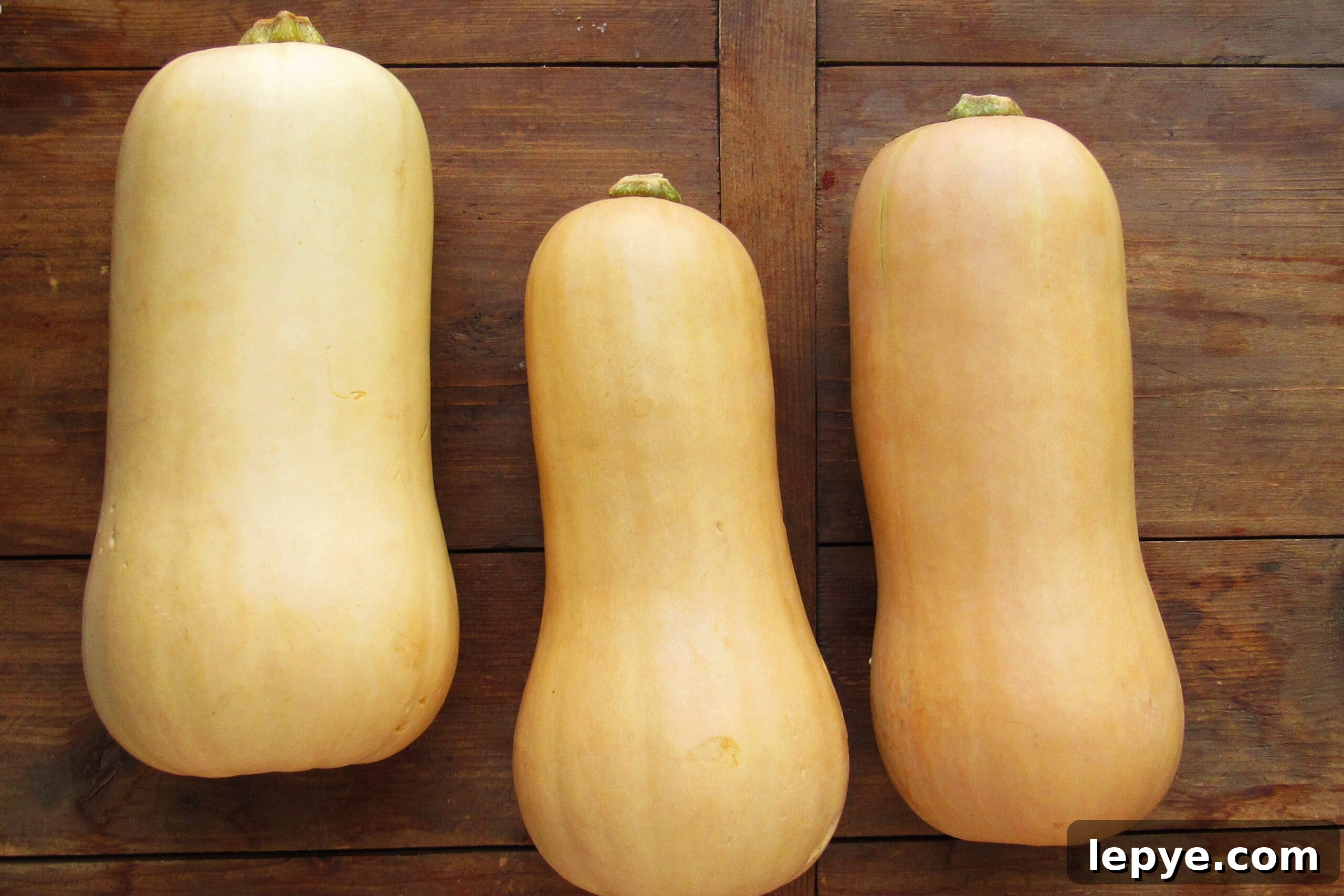
Pre-cut, peeled butternut squash is convenient, but it often costs much more per pound than buying a whole squash. The intimidating part is the thick, butterscotch-colored skin. Once you know the steps to peel and cut it, though, preparing butternut squash becomes quick, safe, and economical.
Butternut squash is versatile and simple to transform into cubes or slices for soups, roasts, casseroles, and more. Learning how to peel and break down a whole squash saves money and ensures you’re cooking with fresher produce. Use the prepared squash in recipes like Butternut Squash Soup, Roasted Butternut Squash, or Butternut Squash Casserole.
- How to Peel and Cube Butternut Squash
- More Fresh Produce Cooking Tips
- 12 Butternut Squash Recipes
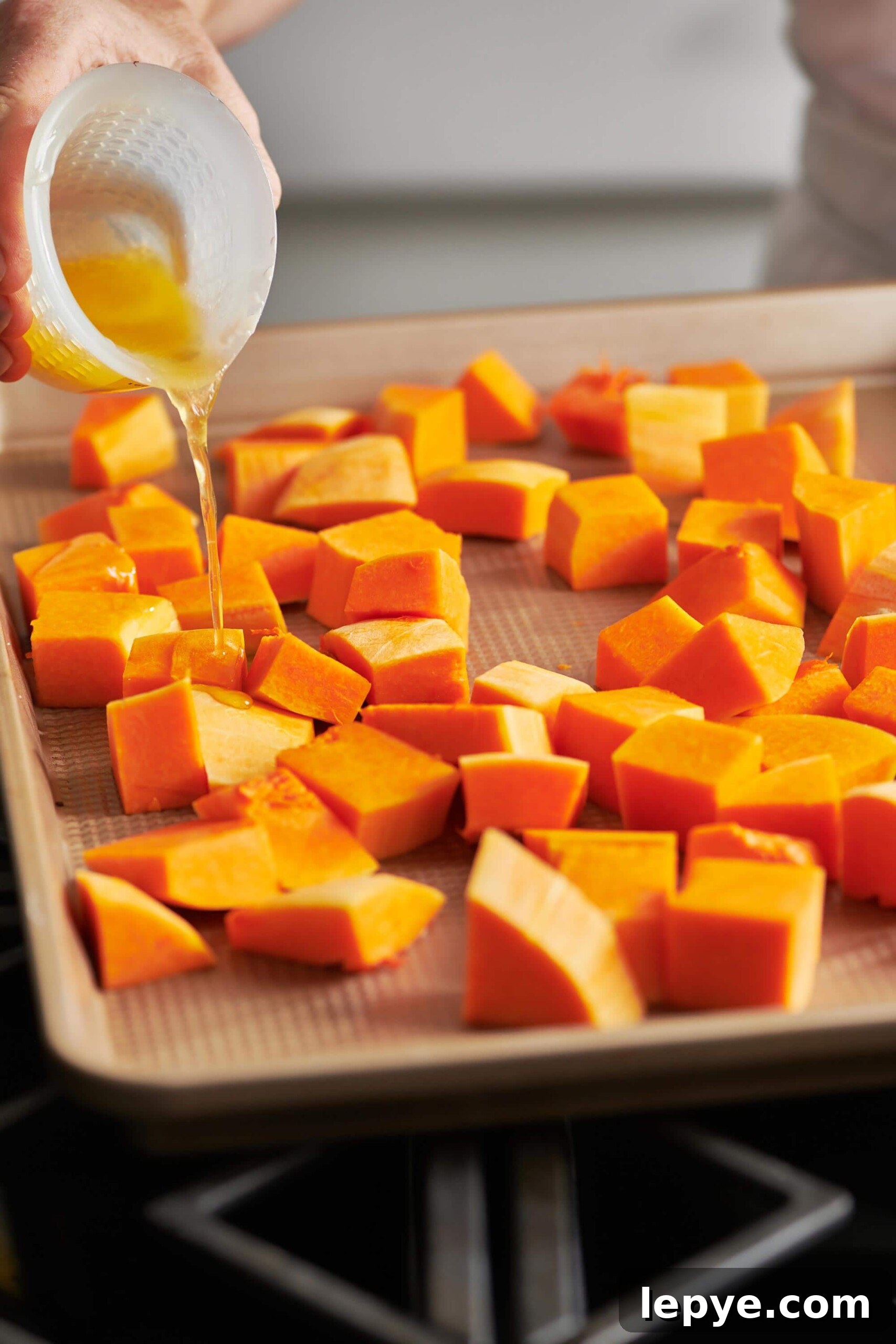
Have questions about peeling, cutting, or preparing butternut squash? Read on — this guide answers the common ones.
Kitchen Smarts
Some winter squashes, like acorn, have deeply ridged skins and are easier to cook with the skin left on. Roast or bake them whole or halved, then scoop out the cooked flesh. For smooth-skinned squashes such as butternut, peeling before roasting or sauteing is usually preferred.
How to Peel and Cube Butternut Squash
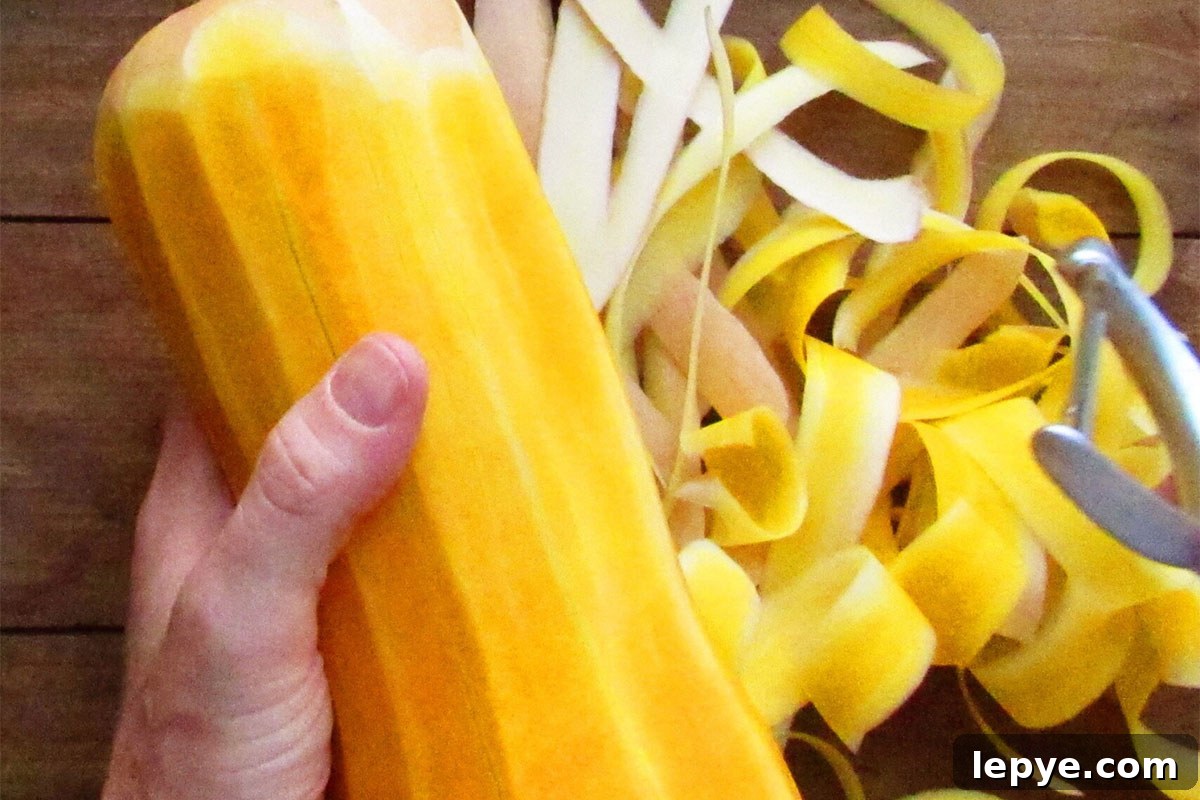
- Peel the squash: Use a sturdy vegetable peeler — an extra-wide peeler helps — and remove the thick skin until you reach the bright orange flesh. You may see a tan or greenish layer beneath the outer skin; keep peeling until the true orange color shows. A paring knife works for stubborn spots.
- Trim the ends: Place the squash on a secure cutting board and slice off the stem end and the opposite tip so both ends are flat.
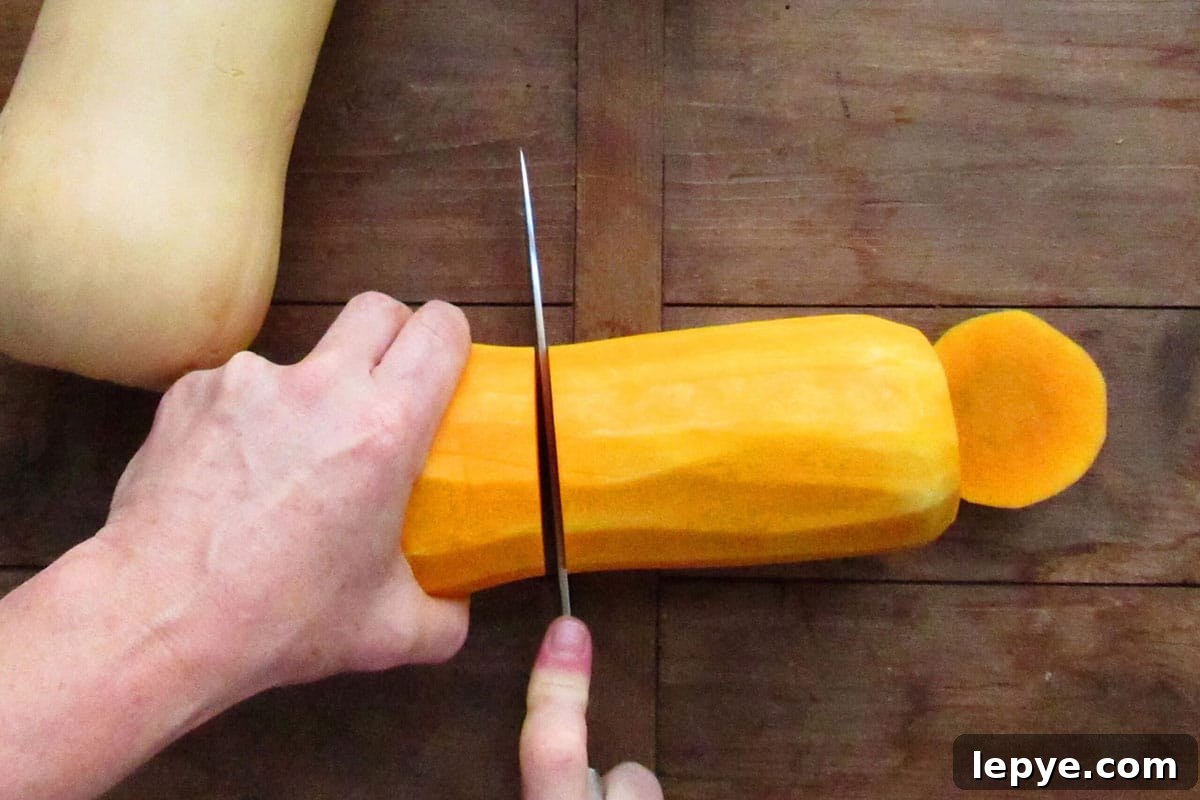
- Cut in half crosswise: Slice the squash where the long neck meets the bulbous base. This makes the two sections easier and safer to handle.
- Halve each section lengthwise: For the long neck, cut each piece lengthwise to create flat surfaces. For the bulbous bottom, halve it lengthwise to expose the seed cavity.
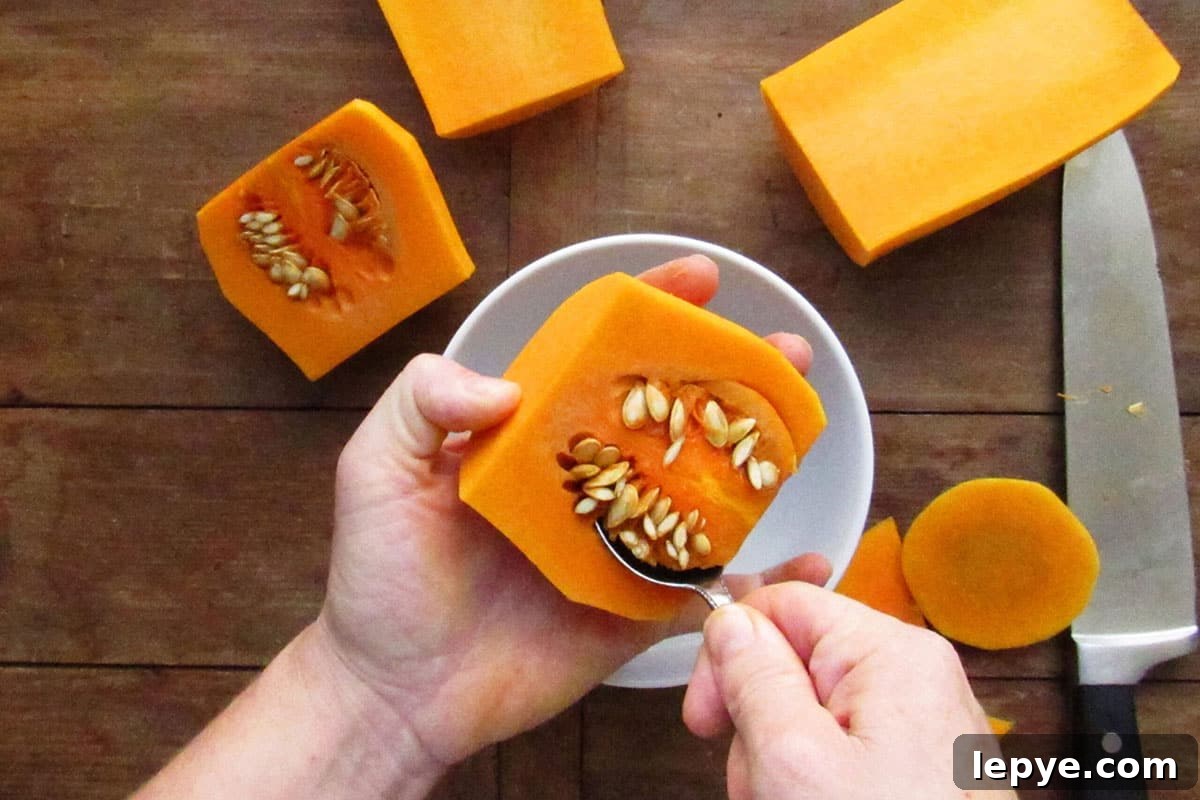
- Scoop out seeds: Use a spoon to remove seeds and fibrous strings from the bottom halves, similar to cleaning a pumpkin.
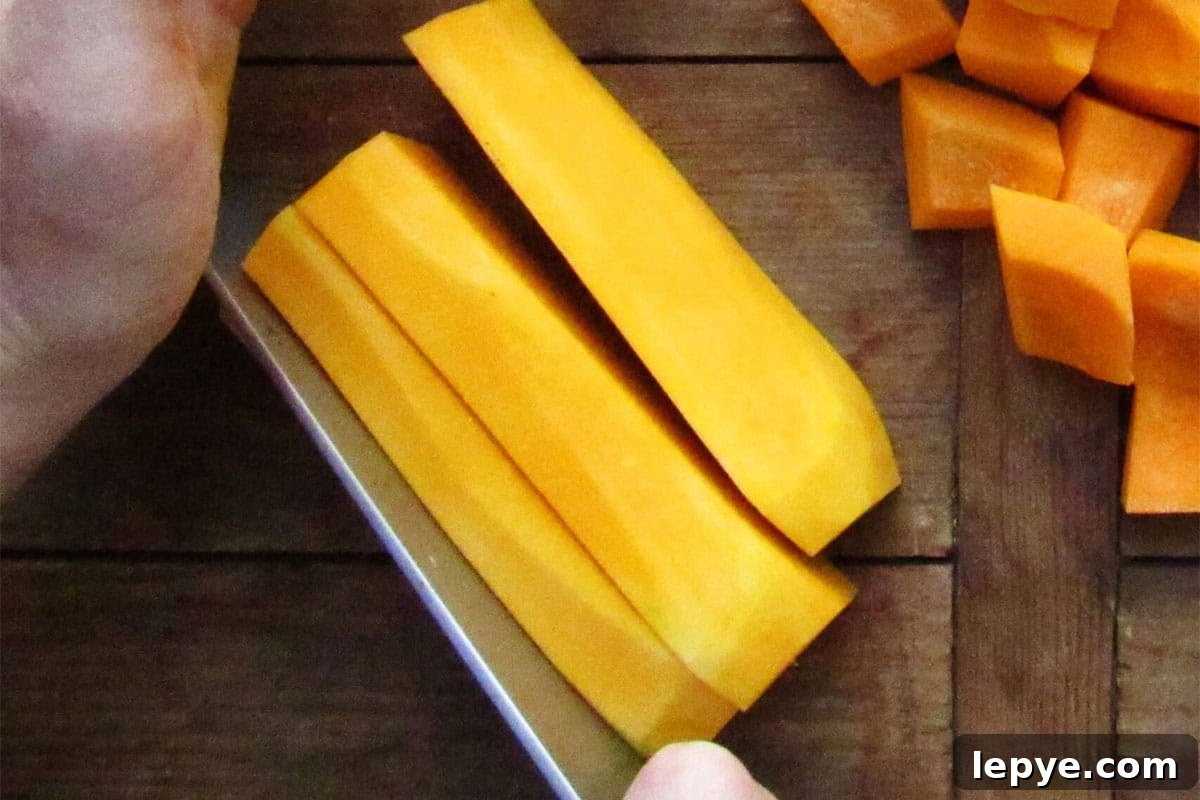
- Slice into planks: Cut the long neck sections into 1-inch-thick planks (or your preferred thickness). Flattened pieces are safer and easier to cut consistently.
- Cut into strips: Stack the planks and cut them into 1-inch-thick strips.
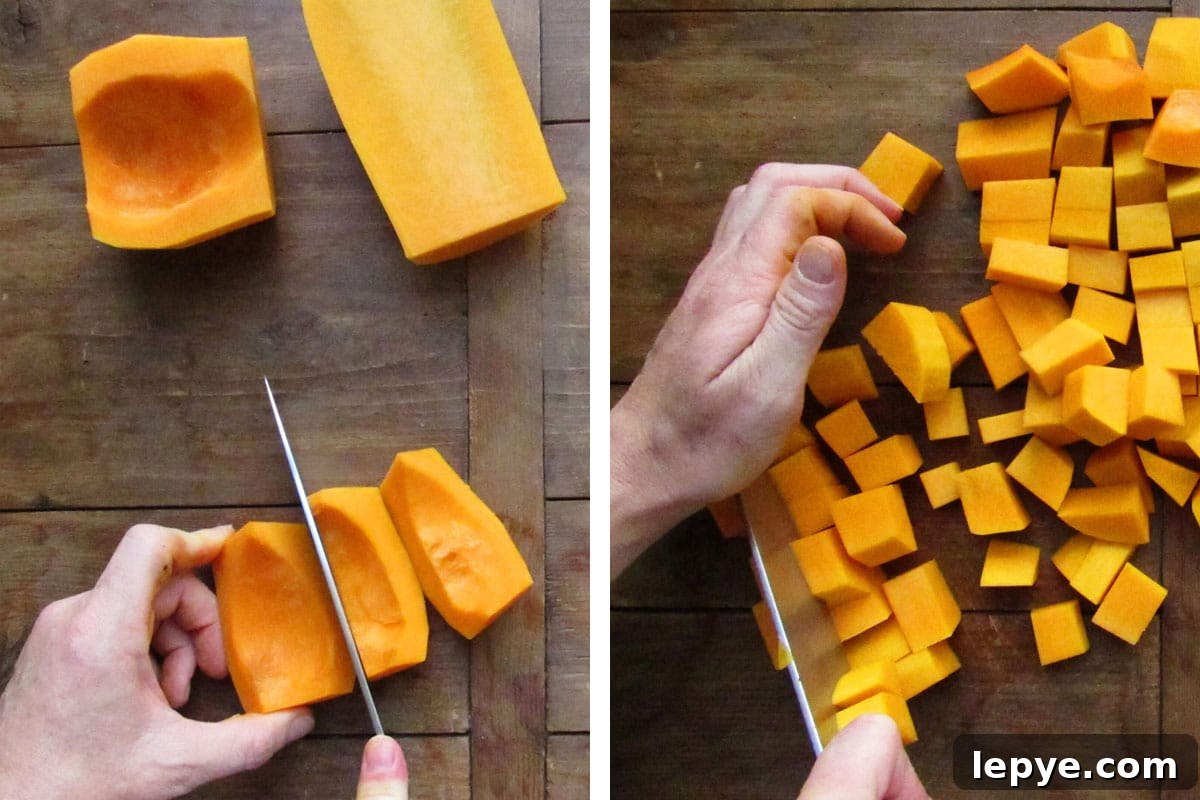
- Cube the strips: Turn the strips and slice crosswise into 1-inch cubes. Adjust the size to suit your recipe.
- Process the bulbous bottom: Cut the bottom halves into thick strips, then dice those strips. The resulting pieces may be more irregular than the neck cubes, but they are perfect for roasting, stews, or mashing.
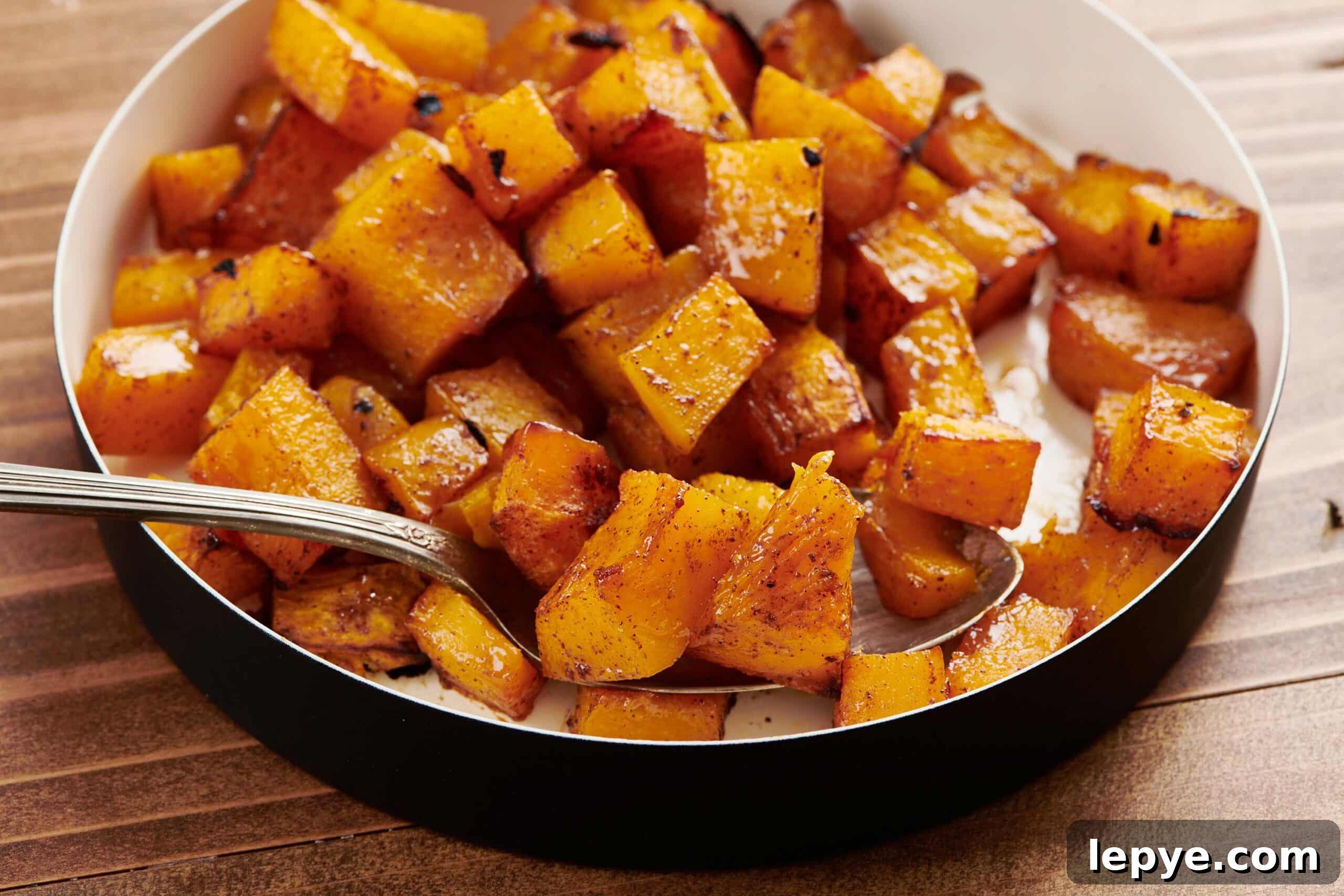
- Ready to cook: Your cubed squash can be roasted, sautéed, braised in a little liquid, or added to simmering broth and pureed into soup. Roasting concentrates sweetness; simmering and pureeing make silky soups.
More Fresh Produce Cooking Tips
After you’ve mastered butternut squash, explore tips for other seasonal produce like broccoflower, pears, pumpkins, zucchini, and kohlrabi to broaden your kitchen skills.
12 Butternut Squash Recipes
Use your prepped squash in a variety of dishes — soups, roasts, stews, casseroles, salads, and vegan mains. Here are recipe ideas you can try with cubed or roasted butternut squash.

Roasted Butternut Squash Soup
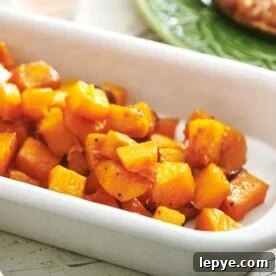
Roasted Butternut Squash

Roasted Butternut Squash and Fennel Soup
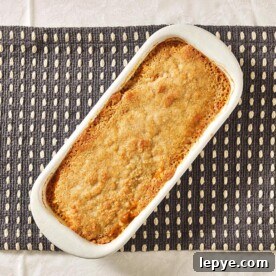
Butternut Squash Casserole

Moroccan Lamb and Butternut Squash Stew

Indian Butternut Squash-Carrot Soup
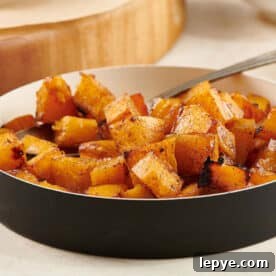
Maple-Roasted Butternut Squash

Butternut Squash and White Bean Ragout

Roasted Butternut Squash with Creamy Sauce

Maple Butternut Squash Soup

Thanksgiving Salad

Vegan Butternut Squash and Apple Soup
With a little practice and the right tools — a sharp, heavy knife and a sturdy peeler — cutting butternut squash becomes straightforward. Cube it for roasting, simmer it for soups, or mash it for casseroles and sides. Enjoy the sweet, nutty flavor of home-prepared squash in countless recipes.