With Ramadan less than three weeks away, preparations for samosas, spring rolls, kebabs and other Iftar snacks are well under way.
I have warm childhood memories of Ramadan when my parents, all my chachis and chachus (aunts and uncles) and my grandparents all lived together. During that month my mother, grandmother and aunts would gather on the living room floor with a tall stack of spring roll wrappers and a pot of filling—either potato and peas or minced meat—and spend hours preparing samosas and spring rolls to last the next few days. Each person had a role: one filled the wrapper, another rolled, and someone brushed on the “glue,” a simple flour-and-water paste. I used to sit beside my mother, impatient to help. First I was allowed to add a spoonful of masala into each wrapper, and later I graduated to rolling wrappers into long spring rolls or triangular samosas. Those afternoons were the highlight of my day.
Over the years that tradition faded. My grandmother became very ill and bedridden, two aunts moved out when I was thirteen, and my mother moved when I was sixteen. Gradually the communal samosa and spring roll sessions ended.
It feels sad that this beautiful family ritual disappeared before any of my younger cousins or sisters had a chance to experience it. Maybe I’m sentimental about those memories, or perhaps I feel a personal responsibility to keep family traditions alive, but I don’t want this one to disappear completely.
When I told my mother I planned to make samosas and spring rolls this year, she tried to dissuade me. “It’s more effort than you need,” she said. “Everything is available at the shops. Those conveniences exist for a reason.”
Still, there’s something special about homemade snacks. The care and attention that go into making them outweigh prepackaged, mass-produced alternatives—besides, homemade lets you control the freshness and hygiene of ingredients. I also prefer choosing the spices and seasoning myself. With ready-made samosas I often think, “If they’d added just a touch more pepper or cumin, this would taste so much better.” When you make the filling at home, you decide exactly what goes in. The only real time commitment is wrapping the samosas; I usually spend a few afternoons doing it, radio on, and the hours fly by.
This year I plan to make chicken-and-potato, minced lamb, fish and perhaps paneer samosas, plus Chinese-style prawn and vegetable spring rolls. I’ve already made a batch of vegetable spring rolls with carrots, cabbage, capsicum, sweetcorn and spring onions.
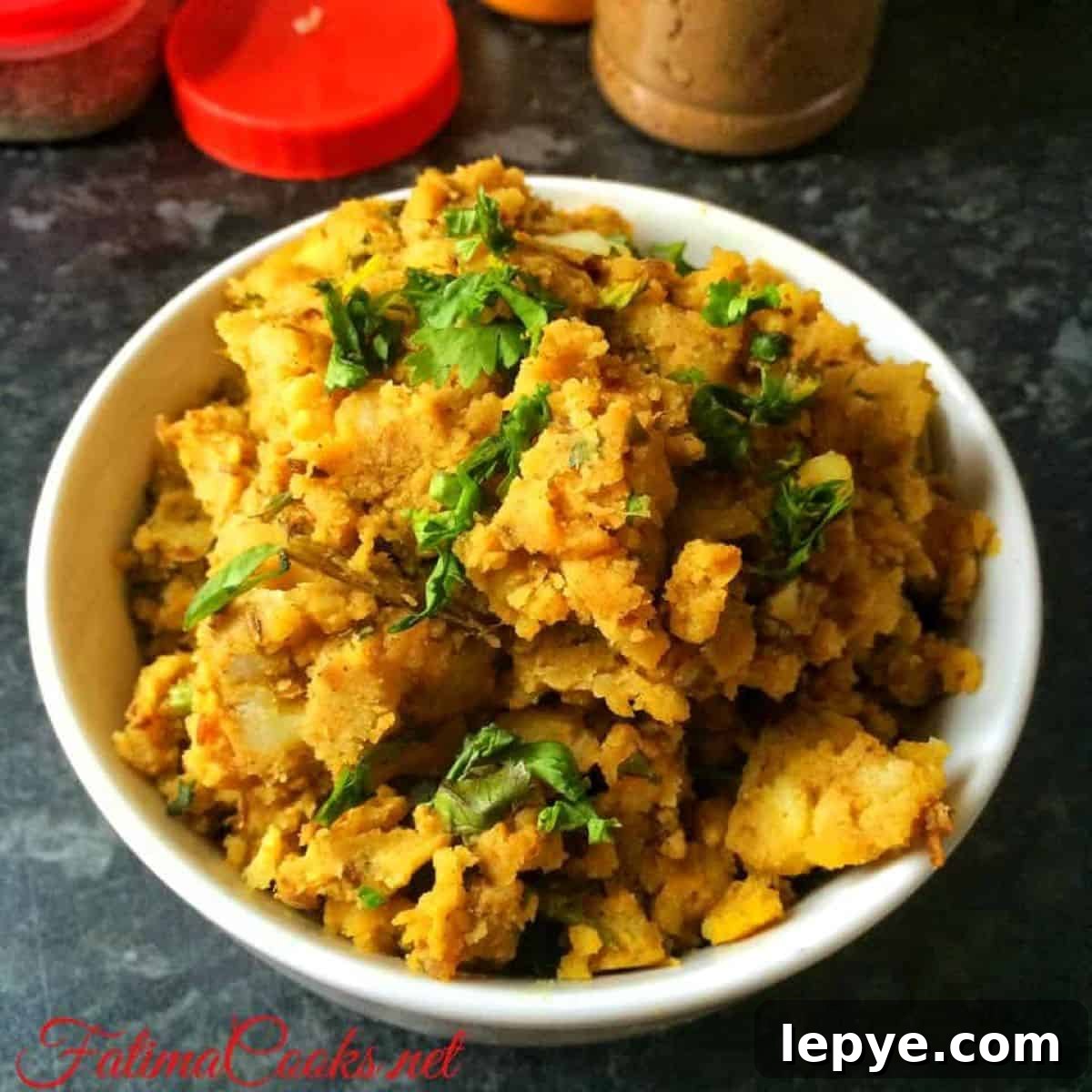
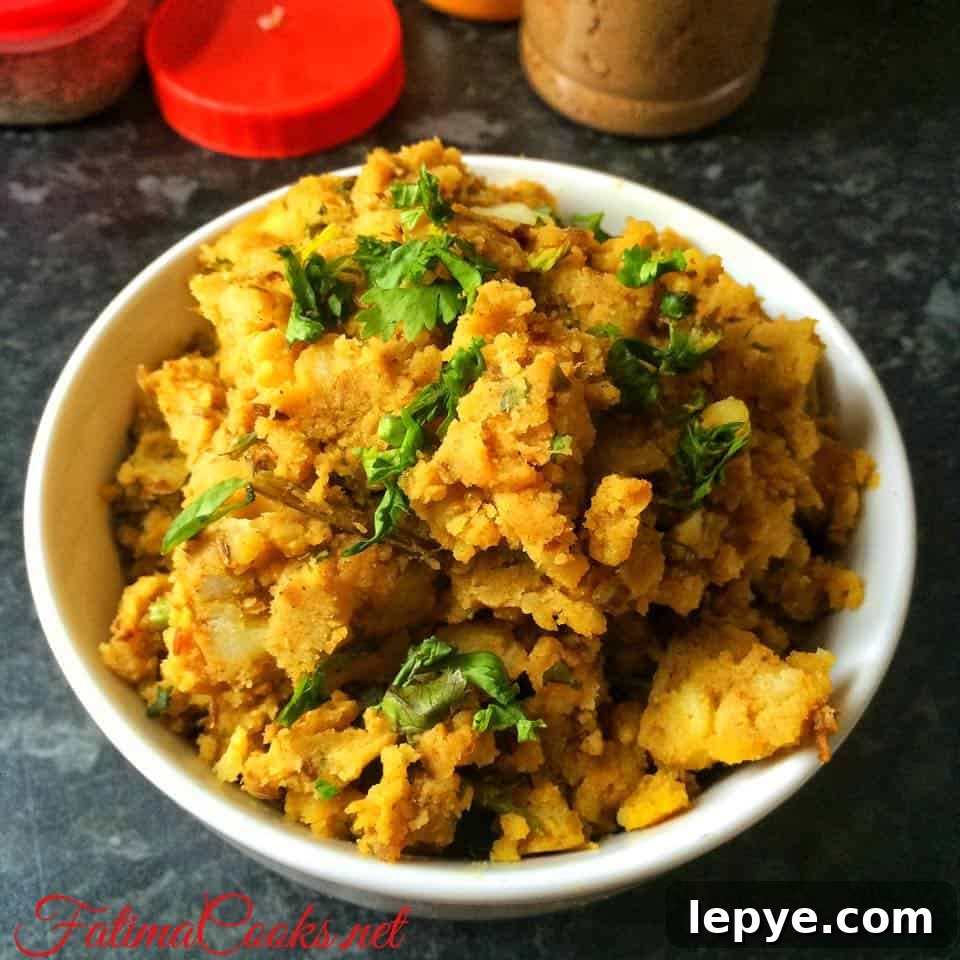
This cumin-spiced potato filling has been praised by everyone who tried it. It strikes a good balance of warmth and spice—just enough to be mellowed by a side of raita (yogurt and mint sauce) but not so hot as to overwhelm. If you’re sensitive to spice or prefer a milder filling, omit the chilli powder.
You can use this filling in samosas, spring rolls or parathas, or to make pastries or cutlets such as aloo ki tikkiyan. It also works well if you want to add peas, sweetcorn or other vegetables—just add them after mashing the potatoes and ensure frozen ingredients are fully thawed.
Enjoy, with love x
📋 Recipe
Ramadan Recipe: Hot Cumin Spiced Potato Filling for Samosas, Pastries, etc.
Ingredients
- 3 lb (1 ⅓ kg) potatoes
- 2 (220 g) medium onions
- 0.5 bulb garlic, peeled
- 2 inch ginger
- 2 tablespoon cumin seeds
- 0.5 tablespoon coriander seeds
- 3 tablespoon oil
- 2 teaspoon coriander powder
- 1 teaspoon chilli powder
- 1 teaspoon turmeric
- 1 teaspoon black pepper
- 1 teaspoon cumin powder
- 2.5 teaspoon salt
- 1 (30 g) bunch fresh coriander
Instructions
-
Peel and roughly chop the onions, garlic and ginger. Set aside.
-
In a pot, heat the oil and add 1 tablespoon of the cumin seeds, the coriander seeds, the onions, garlic and ginger. Cook over medium-high heat until caramelised and brown, about 10–12 minutes.
-
Meanwhile, peel and roughly chop the potatoes. Once the onions are done, add the potatoes, all the spices (except 1 tablespoon of cumin seeds) and ¾ cup water.
-
Reduce the heat to low and cover. Cook until the potatoes are soft and easy to mash, about 40 minutes.
-
When the potatoes are cooked, remove from heat. Mash the potatoes in the pot using a potato masher or a spoon.
-
Stir in the remaining cumin seeds and the chopped fresh coriander. Taste and adjust the seasoning if needed.
-
Allow the filling to cool completely before using it to stuff samosas, spring rolls or other pastries.
Notes
📩 Want me to email this recipe to you?
Enter your email and I’ll send it right over. You’ll also receive occasional Pakistani food updates, new recipe alerts and exclusive email-only recipes.
By submitting your email you consent to receive messages. Your details are secure and you can opt out at any time.